 Arabic
  English
  German
  Spanish
  Portuguese
  French
  Japanese
  Korean
  Vietnamese
  Russian
 The Science of Coating Durability
Rust is a constant natural process that has huge economic and safety impacts, costing the world economy trillions of dollars every year and weakening critical infrastructure. While the market is full of anti-rust coatings, their effectiveness isn’t about marketing claims but about basic scientific principles. This technical analysis goes beyond the surface to explore the core engineering and chemical processes that allow a coating to provide long-lasting protection. An effective anti-corrosion coating works by stopping the electrochemical rust process. We will break down the three main ways this happens: barrier protection, which separates the metal from its environment; sacrificial protection, where a more active metal rusts instead; and corrosion inhibition, which involves active chemical interference with the rust reaction. Understanding these principles is essential for engineers, specifiers, and asset managers who must select and implement solutions for long-term asset protection. This article offers a comprehensive analysis designed for technical professionals, providing the knowledge to evaluate and specify coating systems based on scientific merit rather than surface-level claims.
The Engine of Corrosion
To engineer an effective defense, one must first understand the attack. Corrosion, at its core, is an electrochemical process, a natural phenomenon where a refined metal tries to return to a more chemically stable form, such as an oxide, hydroxide, or sulfide. This process can be modeled as a collection of tiny electrochemical cells on the metal’s surface. For corrosion to occur, four المكونات الأساسية must be present and connected, forming a complete circuit.
These components of the corrosion cell are:
- Anode: The spot on the metal surface where oxidation occurs. This is the location of metal loss, where metal atoms lose electrons and become positively charged ions (e.g., Fe → Fe²+ + 2e⁻).
- Cathode: The spot where a reduction reaction occurs. This reaction uses up the electrons created at the anode. A common cathodic reaction is the reduction of oxygen in the presence of water (O₂ + 2H₂O + 4e⁻ → 4OH⁻).
- Metallic Pathway: The substrate itself provides a conductive path for electrons to flow from the anodic sites to the cathodic sites.
- Electrolyte: An ionically conductive medium that completes the electrical circuit by allowing the flow of ions between the anode and cathode. Water, especially when containing dissolved salts like chlorides or sulfates, is a highly effective electrolyte.
In this micro-battery, electrons flow through the steel from the anode to the cathode, while ions flow through the electrolyte. An anti-corrosion coating’s primary function is to disrupt this circuit by eliminating or neutralizing one or more of these four components.
Three Pillars of Protection
Most advanced anti-corrosion coating systems do not rely on a single defensive strategy. Instead, they use a multi-layered approach, often combining two or all three of the fundamental protection mechanisms. However, to specify and troubleshoot these systems effectively, it is crucial to understand each principle individually. These three pillars—barrier, sacrificial, and inhibitive protection—form the foundation of modern corrosion control technology. By breaking down how each mechanism functions, we can appreciate the sophisticated engineering that goes into a high-performance coating system.
Barrier Protection Mechanism
The most intuitive method of corrosion prevention is to create an impermeable seal, physically isolating the steel substrate from the corrosive electrolyte. This is the principle of barrier protection. A successful barrier coating acts as a durable shield, preventing water, oxygen, and corrosive ions like chlorides from reaching the metal surface and starting the electrochemical cell.
The effectiveness of a barrier coating is determined by two key physical properties. First is high adhesion. The coating must form a strong bond with the substrate to prevent moisture from getting through the interface. This bond is achieved through a combination of mechanical anchoring into the surface profile and chemical bonding between the polymer and the substrate. Second is low permeability. The coating film itself must resist the passage of water molecules. This is largely a function of the polymer’s cross-link density; tightly cross-linked resins create a more winding path for moisture vapor transmission. To further enhance this effect, formulators incorporate lamellar (plate-like) pigments, such as micaceous iron oxide (MIO) or glass flake. These platelets align parallel to the substrate within the film, creating a maze-like path that significantly increases the distance a water molecule must travel to reach the steel. Resins like epoxies and vinyl esters are commonly selected for their excellent adhesion and low permeability, making them ideal for intermediate barrier coats.
Sacrificial Protection Mechanism
Sacrificial, or galvanic, protection is an electrochemical strategy that uses a more reactive metal to protect the steel substrate. This principle is governed by the galvanic series, which ranks metals and alloys according to their electrochemical potential in a given electrolyte. Metals higher on the list (more active) will act as the anode and corrode preferentially when electrically connected to a metal lower on the list (more noble), such as steel.
The most common metal used for sacrificial protection of steel is zinc. When a coating containing a high concentration of metallic zinc dust is applied to a steel surface, a new galvanic cell is created. In the presence of an electrolyte, the zinc particles become the anode and corrode, while the steel substrate becomes the cathode and is protected from corrosion. For this mechanism to function, there must be a very high loading of zinc in the dry film, typically over 80% by weight. This high concentration ensures both particle-to-particle and particle-to-substrate electrical conductivity, creating a continuous protective circuit. These coatings are commonly known as zinc-rich primers. They are available as organic zinc-rich primers (using epoxy or polyurethane binders) for general use and inorganic zinc-rich primers (using an ethyl silicate binder), which offer superior temperature and abrasion resistance, often specified for the most demanding environments.
Corrosion Inhibition Mechanism
The third pillar of protection is corrosion inhibition, an active chemical defense mechanism. Unlike barrier coatings that block electrolytes or sacrificial coatings that corrode in place of the substrate, inhibitive coatings contain pigments that are slightly soluble in any moisture that penetrates the film. These dissolved chemical compounds then actively interfere with the corrosion reaction at the steel surface.
These inhibitive pigments can be classified by their mode of action. Anodic inhibitors, also known as passivators, are the most common. Pigments like zinc phosphate work by reacting with the steel surface at anodic sites to form a stable, non-reactive, passive layer. This thin, tightly adherent film of iron phosphate significantly increases the polarization of the anode, effectively stopping the metal dissolution reaction and slowing the corrosion rate to a negligible level. Cathodic inhibitors are less common but function by precipitating as insoluble compounds on cathodic sites, blocking the reduction reaction. By actively intervening in the electrochemical process, inhibitive pigments provide a robust secondary line of defense should the primary barrier be breached by mechanical damage.
| الآلية | Principle of Operation | Key Components / Pigments | Typical Application / Layer |
| Barrier Protection | Physical isolation of the substrate from the electrolyte. | Tightly cross-linked resins (Epoxy, PU), lamellar pigments (MIO, Glass Flake). | Intermediate and Topcoats. |
| حماية الأضاحي | A more electrochemically active metal corrodes in preference to the steel. | High concentration of Zinc or Aluminum dust. | Primers on steel. |
| cURL Too many subrequests. | cURL Too many subrequests. | cURL Too many subrequests. | cURL Too many subrequests. |
cURL Too many subrequests.
cURL Too many subrequests. cURL Too many subrequests. cURL Too many subrequests. cURL Too many subrequests.cURL Too many subrequests. cURL Too many subrequests. cURL Too many subrequests.
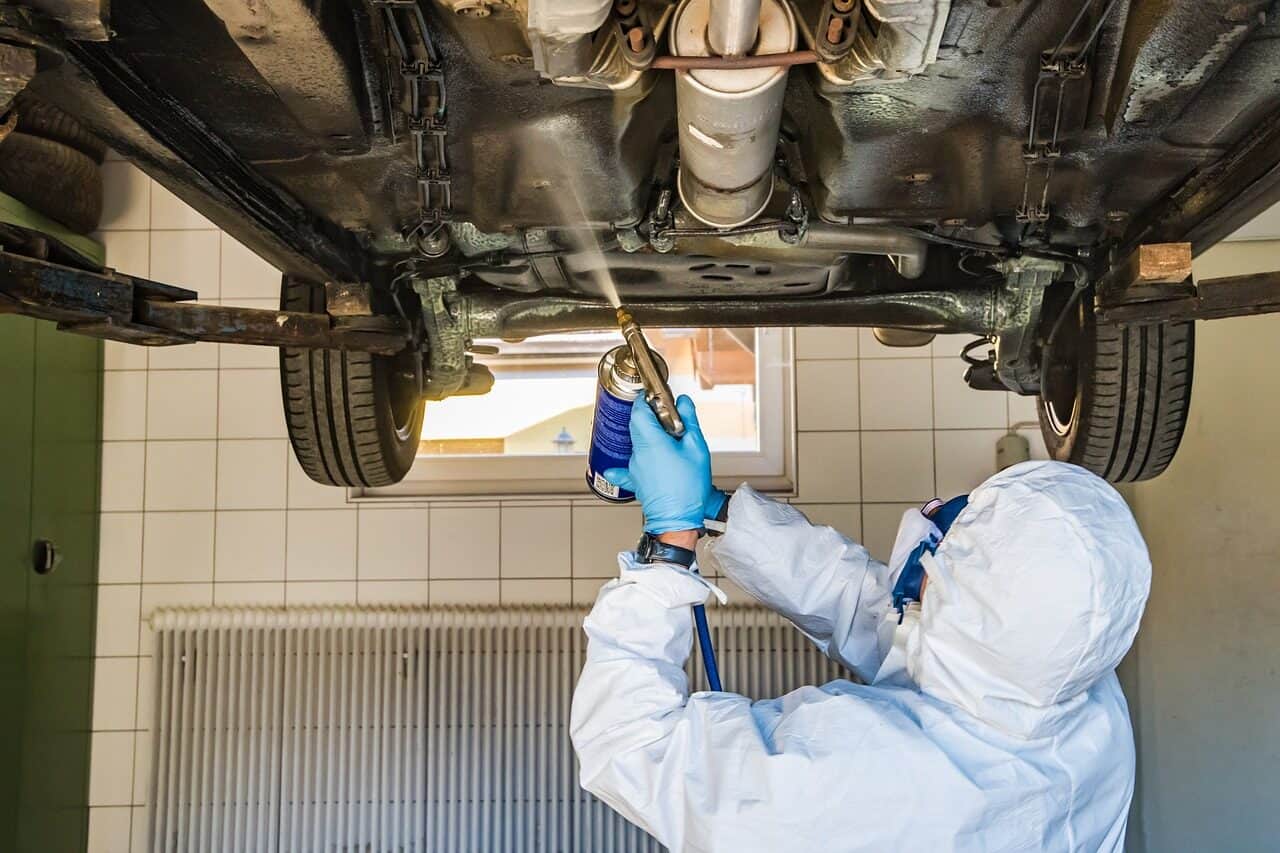
cURL Too many subrequests.
cURL Too many subrequests.
- cURL Too many subrequests.
- cURL Too many subrequests.
- cURL Too many subrequests.
- cURL Too many subrequests.
| cURL Too many subrequests. | cURL Too many subrequests. | cURL Too many subrequests. | cURL Too many subrequests. | cURL Too many subrequests. |
| cURL Too many subrequests. | cURL Too many subrequests. | cURL Too many subrequests. | cURL Too many subrequests. | cURL Too many subrequests. |
| cURL Too many subrequests. | cURL Too many subrequests. | cURL Too many subrequests. | cURL Too many subrequests. | cURL Too many subrequests. |
| cURL Too many subrequests. | cURL Too many subrequests. | cURL Too many subrequests. | cURL Too many subrequests. | cURL Too many subrequests. |
| cURL Too many subrequests. | cURL Too many subrequests. | cURL Too many subrequests. | cURL Too many subrequests. | cURL Too many subrequests. |
Pigments and Fillers
Pigments and fillers are solid particles dispersed within the binder. While traditionally associated with color, their role in high-performance coatings is primarily functional. They are a critical part of the formulation, contributing directly to the anti-corrosive, barrier, and mechanical properties of the film.
They can be categorized by their primary function:
- Anti-Corrosive Pigments: This category includes the active pigments discussed previously, such as metallic zinc dust for sacrificial protection and zinc phosphate for inhibitive protection.
- Barrier Pigments: These are lamellar, or plate-like, pigments specifically chosen to decrease the permeability of the coating film. Micaceous iron oxide (MIO), glass flake, and aluminum flake align within the wet film as it cures, creating a “tortuous path” that significantly slows the ingress of water and oxygen.
- Color Pigments: These provide opacity and color. Titanium dioxide (TiO₂) is the most common white pigment and provides the base for most light-colored topcoats. Other organic and inorganic pigments are used to achieve specific colors.
- Fillers/Extenders: These are inert minerals such as barytes (barium sulfate), talc, or silica. While sometimes used to reduce cost, in high-performance coatings they are primarily used to control rheology (flow properties), increase film build, improve hardness, and enhance sanding properties.
Solvents and Additives
Solvents are volatile liquids used to dissolve the binder and adjust the coating’s viscosity to a suitable level for manufacturing and application (e.g., spraying, brushing, rolling). Once the coating is applied, the solvent evaporates, allowing the film to form. Due to increasing environmental regulations concerning Volatile Organic Compounds (VOCs), there is a strong industry trend towards developing high-solids, solvent-free, and waterborne coating technologies.
Additives are used in small quantities but have a powerful impact on the coating’s properties. They are specialized chemicals that fine-tune performance. Examples include rheology modifiers to control viscosity and prevent sagging on vertical surfaces, wetting and dispersing agents to ensure pigments are evenly distributed and stable, defoamers to prevent bubble formation during application, and adhesion promoters to enhance the bond between the coating and the substrate or between subsequent coats.
Analysis of Coating Failures
Understanding why anti-corrosion coatings fail is as important as understanding how they work. A coating failure is rarely a simple issue; it is typically a complex interplay of factors involving the coating specification, surface preparation, application, and service environment. A technical analysis of common failure modes provides invaluable diagnostic knowledge, enabling professionals to identify root causes and, more importantly, prevent their recurrence. Failures can be broadly categorized into those related to electrochemical and adhesion issues, and those resulting from the degradation of the coating material itself.
Adhesion and Electrochemical Failures
These failures occur at the interface between the coating and the substrate or between layers of the coating system. They are often the most catastrophic as they directly expose the substrate to the corrosive environment.
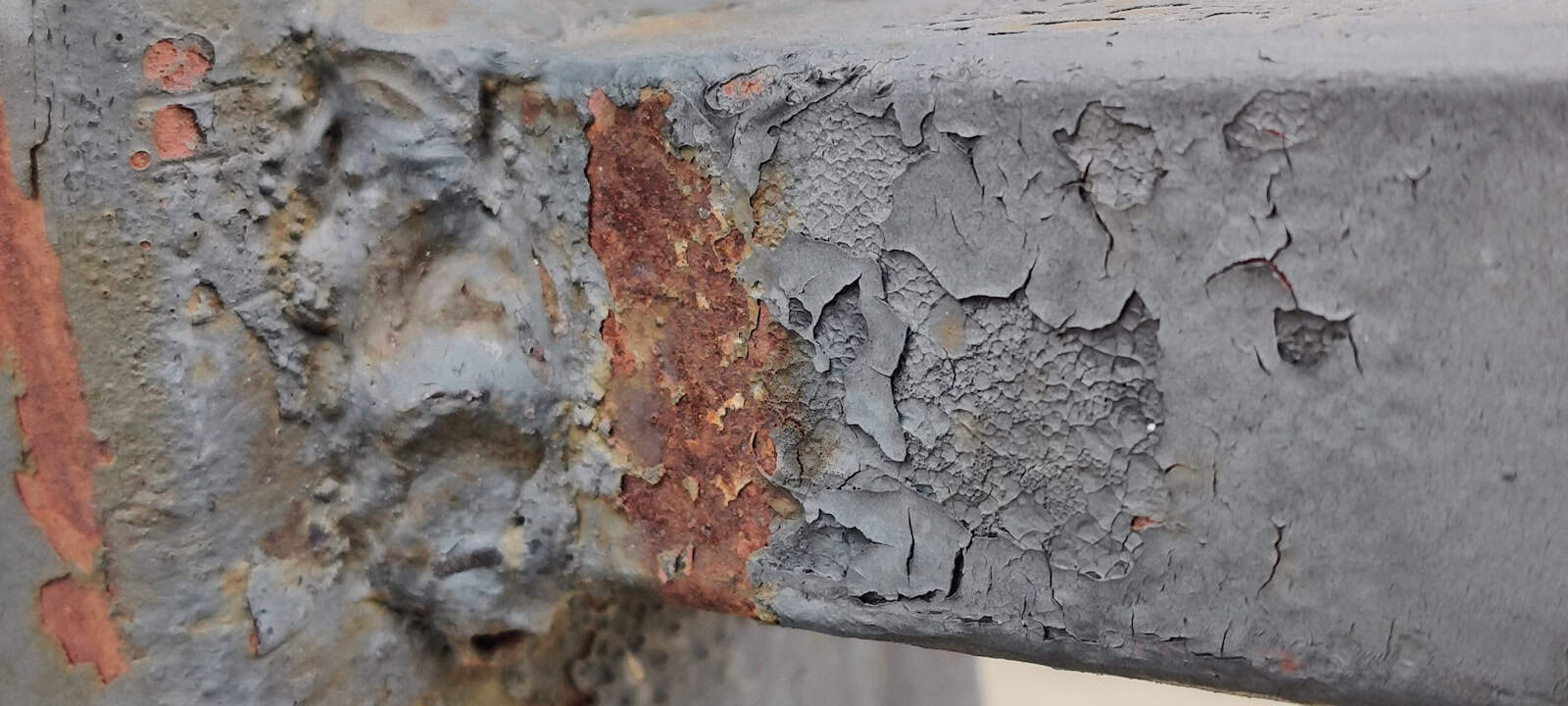
- Undercutting is a form of corrosion that begins at a defect, such as a scratch or pinhole, and travels laterally beneath the coating film. The pressure of the corrosion product (rust) lifts the coating from the substrate, causing it to peel away. This failure is a direct result of either poor initial adhesion or a highly permeable coating that allows the corrosion cell to propagate along the interface.
- Blistering is the formation of dome-shaped bubbles or blisters in the coating film. This is a clear sign of a loss of adhesion over localized areas. There are two primary technical causes. Osmotic blistering occurs when water-soluble contaminants, such as salts, are trapped beneath the coating. Water vapor slowly permeates the film and is drawn to the salt by osmosis, creating a pocket of high-pressure liquid that lifts the film. Blistering can also be caused by solvent entrapment, where solvent from an undercoat is trapped by a fast-curing topcoat. As the structure is heated by sunlight, the trapped solvent vaporizes, creating pressure that forms a blister.
- Delamination is the separation of coating layers from each other (intercoat adhesion failure) or the separation of the entire system from the substrate (adhesion failure). Common causes include contamination between coats (e.g., dust, moisture, or oil), or exceeding the maximum overcoating window specified by the manufacturer, which can result in a poor chemical bond between layers.
Material Degradation Failures
These failures involve the chemical or physical breakdown of the coating film itself, usually as a result of environmental exposure over time.
- Chalking is the formation of a loose, powdery substance on the surface of the coating. This is caused by the degradation of the binder polymer due to exposure to UV radiation. The binder breaks down, releasing pigment particles at the surface. This is an expected and predictable phenomenon for epoxy coatings exposed to sunlight and is primarily an aesthetic issue. However, premature or excessive chalking on a polyurethane topcoat indicates a formulation problem or a substandard product, as PUs are specifically designed to resist UV degradation.
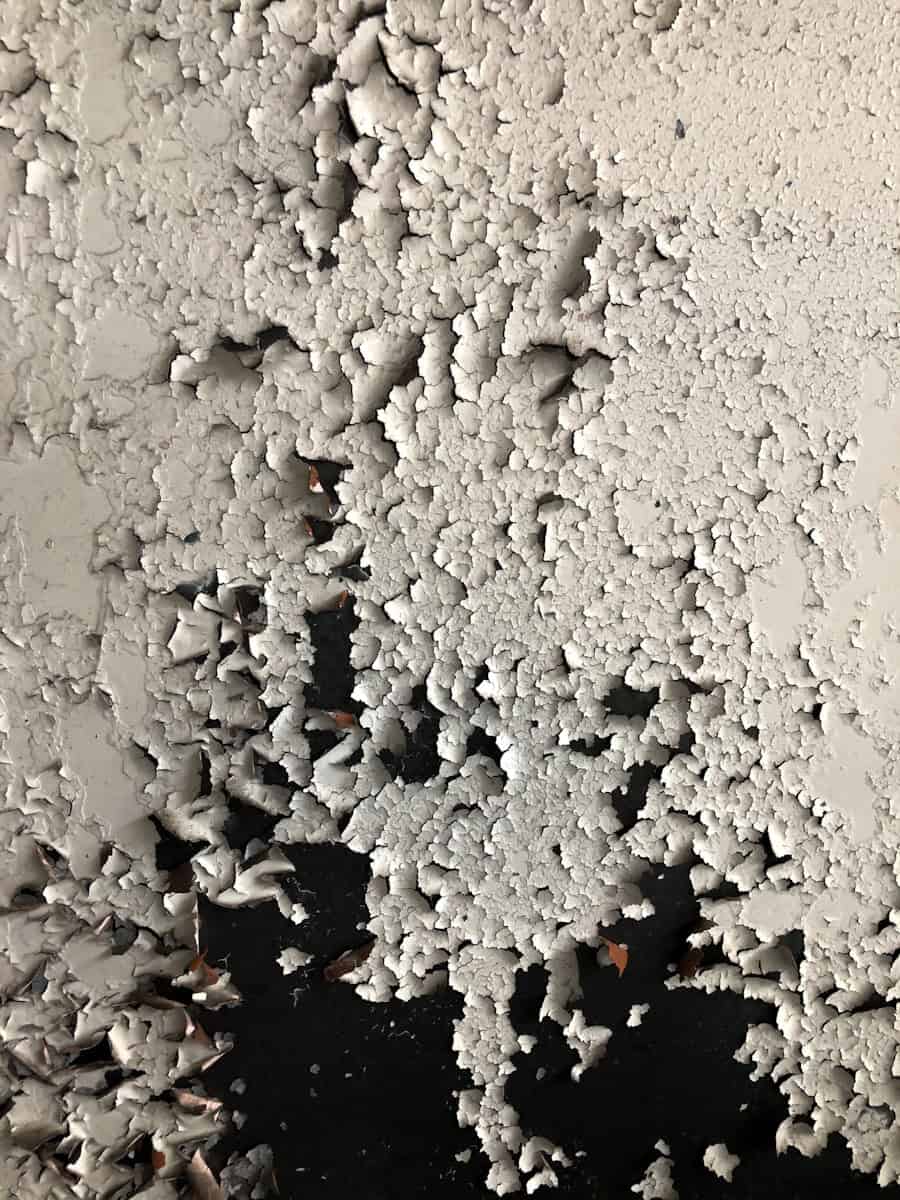
- Cracking and Flaking occur when the coating loses its flexibility and becomes brittle over time. As the substrate expands and contracts with temperature changes, the brittle film can no longer accommodate the movement and develops cracks. These cracks can propagate through the entire coating system, exposing the substrate. Eventually, the cracked sections may lose all adhesion and flake off, leading to widespread failure. This is often a sign that the coating has reached the end of its service life.
Matching Coatings to Environments
There is no universal anti-corrosion coating. The optimal protection strategy is an engineered system carefully matched to the specific stressors of its service environment. A coating system that performs admirably on a building in a dry, rural area will fail rapidly on an offshore oil platform. A technical approach to coating selection, therefore, requires a quantitative assessment of the environmental corrosivity.
The international standard ISO 12944 provides a critical framework for this process. It classifies atmospheric environments into a scale of corrosivity categories, from C1 (very low) to C5 (very high) and, for the most extreme conditions, CX (extreme). This standard allows engineers and specifiers to move away from subjective descriptions and use a globally recognized system to define the environmental challenge and select an appropriate, pre-qualified protective coating system with a predictable service life.
ISO 12944 Corrosivity Categories
The ISO 12944 standard defines corrosivity based on the measured corrosion rate of standard steel and zinc samples, and provides descriptive examples for each category. This allows for a data-driven approach to system selection. Understanding these categories is the first step in engineering a durable solution.
- C2 (Low): Environments with low pollution levels. Typically corresponds to heated buildings with clean atmospheres or unheated buildings where condensation may occur, such as warehouses and sports halls. Externally, this represents rural areas.
- C3 (Medium): Urban and industrial atmospheres with moderate sulfur dioxide pollution, or coastal areas with low salinity. Production areas with high humidity, such as food-processing plants or laundries.
- C4 (High): Industrial areas and coastal areas with moderate salinity. Corresponds to chemical plants, swimming pools, and coastal shipyards.
- C5 (Very High): Industrial areas with high humidity and aggressive atmospheres, and coastal/offshore areas with high salinity. Structures in these environments are subject to near-constant condensation and high levels of pollution.
- CX (Extreme): Reserved for offshore assets, splash zones, and extreme industrial environments with very aggressive atmospheres. These situations demand the highest level of protection.
By identifying the correct corrosivity category for an asset, one can then consult the standard or manufacturer data to select a system proven to perform in that environment. The table below provides examples of typical coating systems specified for different C-categories, illustrating how the complexity and film thickness of the system increase with environmental severity.
| ISO 12944 Category | Environment Example | Example Coating System | Typical Total DFT (µm) |
| C3 | Urban, light industrial | 1x Epoxy Zinc Phosphate Primer + 1x Polyurethane Topcoat | 160 – 240 |
| C4 | cURL Too many subrequests. | cURL Too many subrequests. | 240 – 320 |
| C5 | cURL Too many subrequests. | cURL Too many subrequests. | 320 – 500+ |
| cURL Too many subrequests. | cURL Too many subrequests. | cURL Too many subrequests. | 500 – 1000+ |
cURL Too many subrequests.
cURL Too many subrequests.
cURL Too many subrequests.
cURL Too many subrequests.
cURL Too many subrequests.
cURL Too many subrequests.
cURL Too many subrequests.
الخاتمة
cURL Too many subrequests. cURL Too many subrequests. cURL Too many subrequests.
- cURL Too many subrequests. https://www.ampp.org/
- cURL Too many subrequests. https://www.astm.org/
- ISO - المنظمة الدولية للتوحيد القياسي https://www.iso.org/
- cURL Too many subrequests. https://www.sspc.org/
- NIST - المعهد الوطني للمعايير والتكنولوجيا https://www.nist.gov/
- cURL Too many subrequests. https://www.asminternational.org/
- cURL Too many subrequests. https://www.sae.org/
- cURL Too many subrequests. https://www.electrochem.org/
- علوم وهندسة المواد - ScienceDirect https://www.sciencedirect.com/topics/materials-science
- ANSI - المعهد الوطني الأمريكي للمعايير الأمريكية https://www.ansi.org/