 Arabic
  English
  German
  Spanish
  Portuguese
  French
  Japanese
  Korean
  Vietnamese
  Russian
 The Stud Screw Process: A Complete Guide to Manufacturing
Introduction: The Hidden Foundation
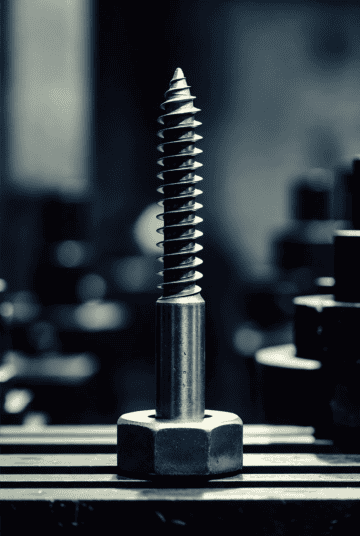
In the world of important engineering projects—from car engines to high-pressure pipelines—parts cannot fail. The hidden but essential pieces holding these critical systems together are high-quality fasteners. Among these, the stud screw is a basic workhorse. Its reliability doesn’t happen by accident; it comes from a carefully controlled, step-by-step manufacturing process. The Stud Screw Process is this complete engineering system, covering every step from checking raw materials to final inspection. Understanding this process is important for anyone responsible for designing, choosing, or buying these vital components.
This guide will provide a complete breakdown of the stud screw manufacturing process. We will examine each important phase to give engineers and purchasing specialists the knowledge to make smart decisions. Our plan for this detailed look includes:
- The science of choosing materials and how it affects performance.
- The main manufacturing steps of shaping the initial piece.
- A comparison of thread-making techniques.
- The important role of heat treatment and surface finishing.
- Advanced لضبط الجودة that ensure reliability.
The Foundation: Material Science
The performance of a stud screw starts with what it’s made of. The choice of material is the single most important factor that determines its strength, resistance to rust, and suitability for a specific working environment. A stud designed for a chemical plant operating at 500°C has completely different material needs than one used in extremely cold applications.
Material Grades and Standards
To ensure worldwide consistency and safety, stud screw materials follow strict standards. Organizations like ASTM International, the International Organization for Standardization (ISO), and the German Institute for Standardization (DIN) publish specifications that define the chemical makeup, manufacturing methods, and required strength properties.
Key strength properties defined by these standards include:
- Tensile Strength: The maximum stress a material can handle while being pulled before it starts to break.
- Yield Strength: The stress at which the material begins to bend permanently and will not return to its original shape. This is often the most critical design factor.
- Hardness: The material’s resistance to surface denting and scratching. It often relates to tensile strength and wear resistance.
- Toughness: The material’s ability to absorb energy and bend without breaking, crucial for applications involving shock or impact loads.
For example, ASTM A193 is a key specification for alloy and stainless steel bolting for high-temperature or high-pressure service. On the other hand, ASTM A320 covers the same for low-temperature service. In the metric world, ISO 898-1 defines property classes for carbon and alloy steel fasteners, such as Class 8.8, 10.9, and 12.9. A Class 10.9 bolt, for instance, has a minimum tensile strength of 1000 MPa and a minimum yield strength that is 90% of that value (900 MPa).
Common Materials and Applications
Most stud screws are made from a select group of well-understood steels and alloys, each chosen for a specific balance of strength, temperature resistance, corrosion resistance, and cost.
- Carbon and Alloy Steels: These are the workhorses of the industry. Grades like ASTM A193 Grade B7, a chromium-molybdenum alloy steel, are common in oil, gas, and power generation because of their high tensile strength and excellent performance at high temperatures after a quench-and-temper heat treatment. For low-temperature service, Grade L7, a similar alloy with controlled chemistry and impact testing requirements, is specified.
- Stainless Steels: When corrosion resistance is the main concern, stainless steels are the material of choice. The 300 series is most common. Type 304 (often called 18-8) offers good corrosion resistance in most atmospheric conditions. For more aggressive environments, such as marine or chemical processing applications involving chlorides, Type 316 is specified. Its addition of molybdenum provides better resistance to pitting and crevice corrosion. These are often designated as A2 (304) and A4 (316) stainless steels in the ISO system.
- Exotic Alloys: For the most extreme environments—combining high temperatures, aggressive chemical exposure, and high mechanical stress—engineers turn to superalloys. Materials like Inconel (a nickel-chromium alloy) keep their strength at temperatures that would weaken steel, making them essential for aerospace and turbine applications. Titanium alloys offer an exceptional strength-to-weight ratio, a key benefit in weight-sensitive aerospace and performance automotive designs.
Table 1: Comparison of Common Stud Screw Materials
| درجة المادة | الخصائص الرئيسية | التطبيقات الشائعة | Relative Cost/Performance Note |
| الفولاذ السبائكي (ASTM A193 B7) | High tensile strength, good performance at high temperatures (up to ~450°C), excellent toughness. | Pressure vessels, valves, flanges in oil & gas, power generation, and petrochemical industries. | Excellent cost-to-performance ratio for demanding industrial applications. The industry standard. |
| ISO 898-1 Class 8.8 (Carbon Steel) | Medium carbon steel, quenched and tempered. Good balance of strength and flexibility. | General engineering, automotive assembly, structural steel connections (non-critical). | Cost-effective and widely available for a broad range of standard applications. |
| Stainless Steel 316 / A4 (ASTM F593 Grp 2) | Superior corrosion resistance, especially against chlorides and acids. Good low-temperature toughness. | Marine hardware, chemical processing equipment, food and pharmaceutical manufacturing, wastewater treatment. | Higher initial cost than alloy steel, but essential for longevity in corrosive environments. Lower cURL Too many subrequests.. |
| cURL Too many subrequests. | cURL Too many subrequests. | cURL Too many subrequests. | cURL Too many subrequests. |
cURL Too many subrequests.
cURL Too many subrequests.
cURL Too many subrequests.
cURL Too many subrequests.
- cURL Too many subrequests. cURL Too many subrequests.cURL Too many subrequests.
- cURL Too many subrequests.
cURL Too many subrequests.
cURL Too many subrequests.
- cURL Too many subrequests.
- cURL Too many subrequests.
cURL Too many subrequests.
- cURL Too many subrequests.
- cURL Too many subrequests.
- cURL Too many subrequests.
- cURL Too many subrequests.
- cURL Too many subrequests.
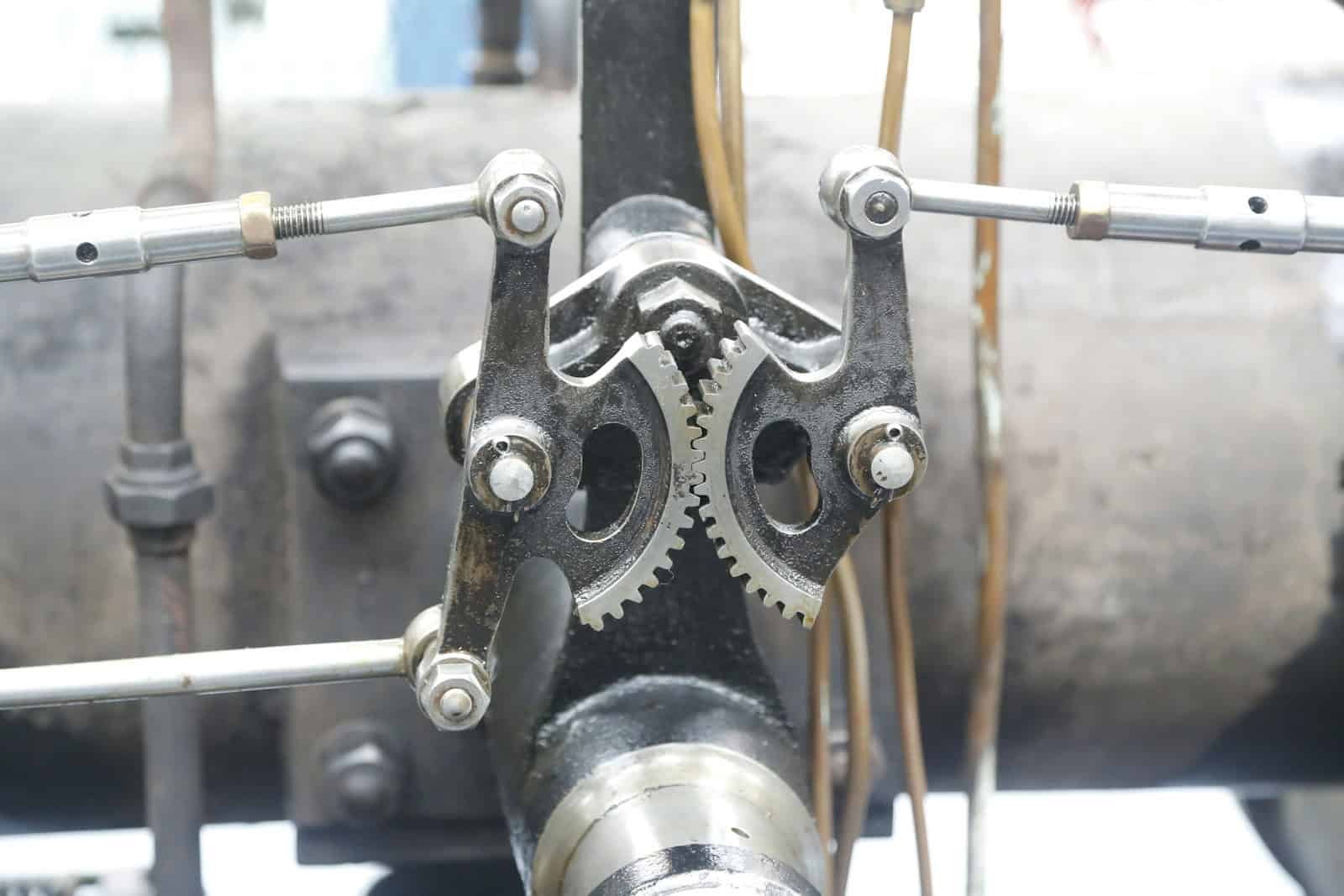
cURL Too many subrequests.
cURL Too many subrequests.
القطع الخيطي (الآلات)
cURL Too many subrequests.
cURL Too many subrequests.
درفلة الخيوط (التشكيل على البارد)
دحرجة الخيط cURL Too many subrequests.
cURL Too many subrequests.
الجدول 2: المقارنة التقنية: التدوير الخيطي مقابل القطع الخيطي
| الميزة | دحرجة الخيط | قطع الخيط |
| cURL Too many subrequests. | cURL Too many subrequests. | cURL Too many subrequests. |
| cURL Too many subrequests. | cURL Too many subrequests. | cURL Too many subrequests. |
| قوة الشد | cURL Too many subrequests. | cURL Too many subrequests. |
| مقاومة التعب والإجهاد | cURL Too many subrequests. | cURL Too many subrequests. |
| تشطيب السطح | cURL Too many subrequests. | cURL Too many subrequests. |
| سرعة الإنتاج | cURL Too many subrequests. | Slower. A cycle-time-limited machining operation. |
| تكلفة الأدوات | High initial cost for precision dies. | Lower initial cost for cutting tools, but they wear faster. |
| التطبيق المثالي | High-performance, high-volume fasteners where fatigue life is critical (e.g., aerospace, automotive engines). | Low volume production, prototyping, large or unusual thread profiles, or on materials not suitable for cold forming. |
Enhancing Durability: Treatment & Finishing
A formed and threaded stud is not yet a finished product. It must undergo final thermal and chemical processes to achieve its specified mechanical properties and to protect it from its intended service environment. Heat treatment develops the stud’s strength and toughness, while surface finishing provides a barrier against corrosion.
علم المعالجة الحرارية
For carbon and alloy steel studs, heat treatment is the process that unlocks their full potential. The most common procedure is quenching and tempering, which is essential for achieving higher property classes like ISO 8.8, 10.9, and 12.9, or grades like ASTM A193 B7.
- Quenching and Tempering: This is a two-stage process. First, the studs are heated in a controlled-atmosphere furnace to a specific austenitizing temperature (typically 830-870°C). At this temperature, the steel’s crystal structure changes into a phase called austenite. The studs are then rapidly cooled, or “quenched,” in a liquid medium like oil or water. This rapid cooling transforms the austenite into *martensite*, an extremely hard and strong but very brittle crystal structure. In the second stage, tempering, the brittle, as-quenched studs are reheated to a lower temperature (e.g., 450-650°C) and held for a set time. This process relieves some of the internal stress and allows some of the martensite to transform, resulting in a final microstructure that balances high tensile strength with improved flexibility and toughness.
- Stress Relieving: Cold working processes, especially thread rolling, create significant internal stresses in the material. While some of these are beneficial (like the compressive stress at the thread root), others can lead to dimensional changes over time. A low-temperature heat treatment, known as stress relieving, is often performed after thread rolling to reduce these internal stresses without significantly changing the core mechanical properties achieved through quenching and tempering.
A Guide to Protective Surface Coatings
A surface coating, or plating, is applied to protect the stud screw from environmental corrosion. The choice of coating depends on the severity of the corrosive environment, the need for consistent friction characteristics, and cost.
Coatings serve several primary purposes:
- Sacrificial Protection: Coatings like zinc and cadmium are more reactive than steel. They corrode first, “sacrificing” themselves to protect the steel underneath.
- Barrier Protection: Coatings like PTFE or phosphate create a physical barrier that prevents moisture and oxygen from reaching the steel.
- Friction Modification: Certain coatings, particularly those with PTFE or molybdenum disulfide, are used to provide consistent and predictable friction, ensuring accurate preload when the fastener is tightened.
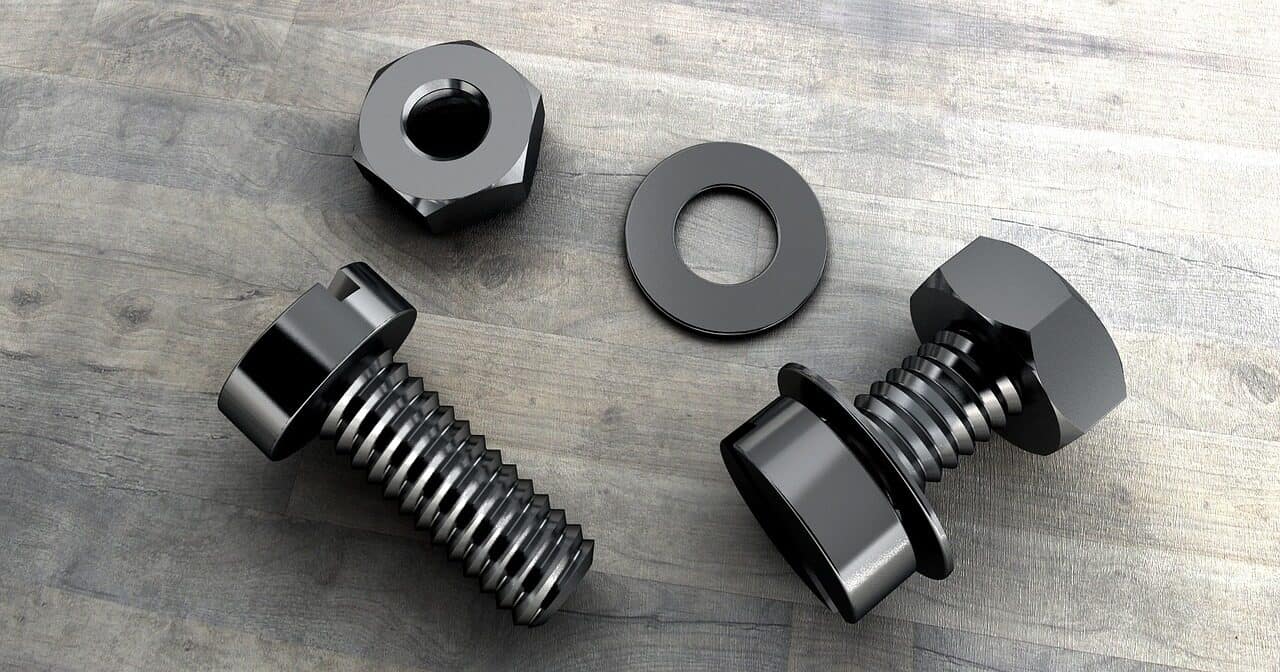
Table 3: Common Surface Coatings for Stud Screws
| Coating Type | Applicable Standard | الميزة الأساسية | Common Use Case / Limitation |
| طلاء الزنك | ASTM B633 | Sacrificial corrosion protection for mild environments. Low cost. | General industrial and construction use. Not suitable for marine or highly corrosive environments. Risk of hydrogen embrittlement on high-strength steels (>1100 MPa) if not processed correctly. |
| الجلفنة بالغمس الساخن (HDG) | ASTM A153 | Thick, robust layer of zinc provides excellent, long-term sacrificial protection. | Outdoor structural steel, utilities, infrastructure. The thick coating requires oversized tapped nuts and can affect thread fit. Not for fine-threaded or high-precision applications. |
| الفوسفات والنفط | MIL-DTL-16232 | Mild corrosion resistance and provides a good base for paint. The oil finish offers lubricity. | General automotive and machinery components where a “black” finish is desired and the environment is not highly corrosive. |
| PTFE / Fluoropolymer | (Proprietary, e.g., Xylan®, Teflon®) | Excellent corrosion and chemical resistance. Low coefficient of friction for consistent torque. | Offshore oil & gas, chemical processing. Provides consistent bolt-up and easy disassembly. Higher cost but critical for subsea and splash-zone applications. |
The Gatekeeper: QC & Inspection
The final and most critical phase of the Stud Screw Process is quality control and inspection. This is the gatekeeper that ensures every manufacturing step has been executed correctly and that the final product meets all engineering specifications. For high-integrity fasteners, this goes far beyond a simple visual check.
الفحص البعدي والبصري
This is the baseline of quality control. Every batch of studs undergoes inspection to verify critical dimensions. This includes:
- Overall length using calipers or automated vision systems.
- Thread conformance using GO/NO-GO ring gauges. These gauges ensure the thread pitch diameter is within its specified tolerance. A “GO” gauge must screw on completely, while a “NO-GO” gauge must not.
- Visual inspection for any defects such as forging flaws, tool marks, or handling damage.
Mechanical Property Verification
cURL Too many subrequests. cURL Too many subrequests.cURL Too many subrequests.
- cURL Too many subrequests.
- اختبار الصلابةcURL Too many subrequests. عملية المعالجة الحرارية cURL Too many subrequests.
cURL Too many subrequests.
cURL Too many subrequests.
- cURL Too many subrequests. مواد مثل الفولاذ الكربوني والفولاذ السبائكيcURL Too many subrequests.
- cURL Too many subrequests.
cURL Too many subrequests.
- cURL Too many subrequests.
- cURL Too many subrequests.
- cURL Too many subrequests.
- cURL Too many subrequests.
- cURL Too many subrequests.
- cURL Too many subrequests.
cURL Too many subrequests.
cURL Too many subrequests.
cURL Too many subrequests.
- cURL Too many subrequests. https://www.astm.org/
- ISO - المنظمة الدولية للتوحيد القياسي https://www.iso.org/
- معهد السحابات الصناعية (IFI) https://www.indfast.org/
- cURL Too many subrequests. https://www.sae.org/
- الجمعية الدولية للمعادن والمعالجة الحرارية – المعالجة الحرارية وعلوم المعادن https://www.asminternational.org/
- ASME - الجمعية الأمريكية للمهندسين الميكانيكيين https://www.asme.org/
- رابطة صناعة الحدادة (FIA) https://www.forging.org/
- NIST - المعهد الوطني للمعايير والتكنولوجيا https://www.nist.gov/
- cURL Too many subrequests. https://www.api.org/
- ANSI - المعهد الوطني الأمريكي للمعايير الأمريكية https://www.ansi.org/