 Spanish
  English
  German
  Portuguese
  French
  Japanese
  Arabic
  Korean
  Vietnamese
  Russian
 Understanding Laser Direct Structuring: A Guide to Advanced Techniques

Introduction to LDS
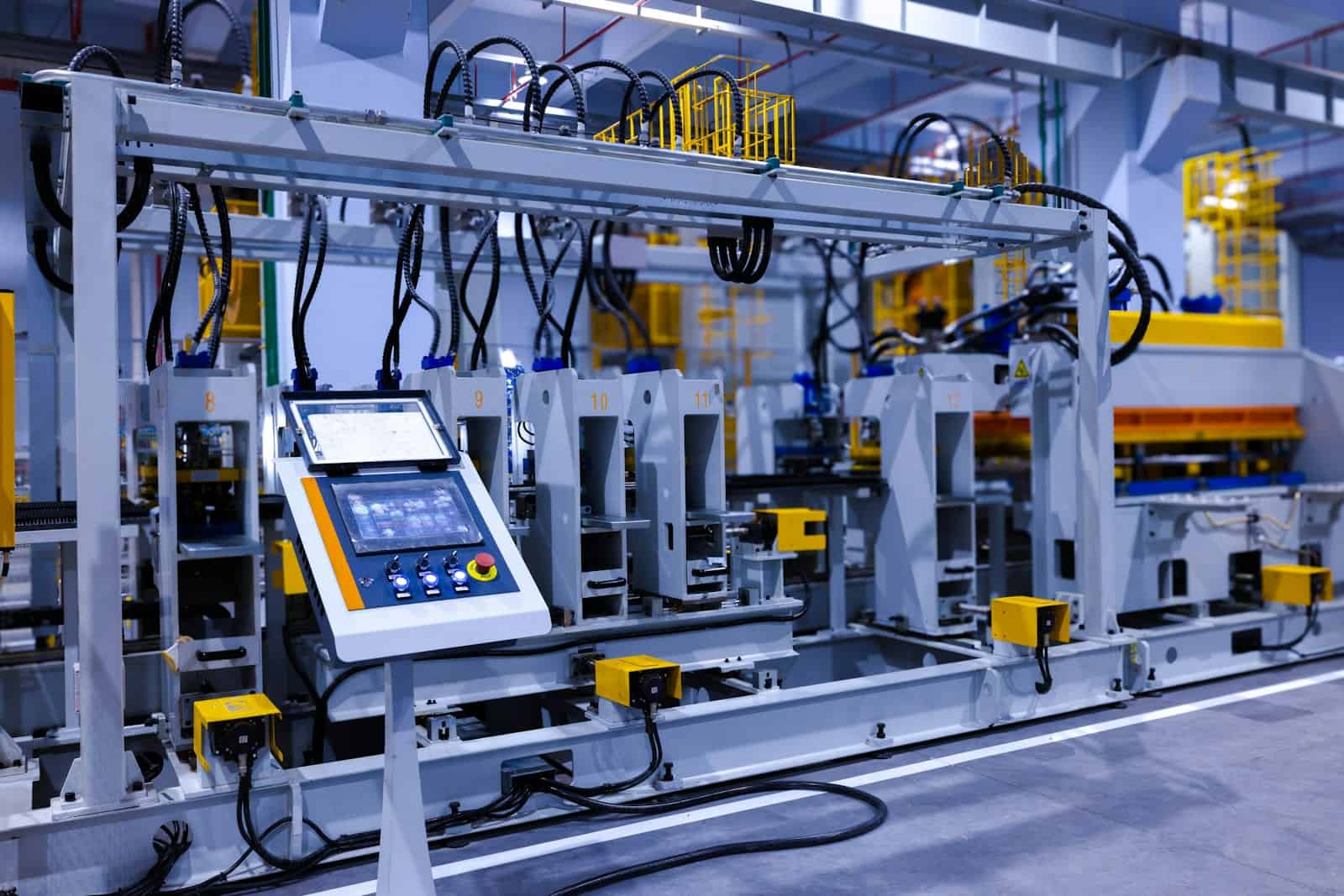
- Laser Direct Structuring (LDS) is a manufacturing process that implements conductive traces directly on an injection moulded component, integrating complex mechanical designs.
- LDS technology enables full 3D structures by using thermoplastic material as the substrate, allowing integration of complex mechanical designs in miniature 3D shapes.
- The LDS process consists of three main phases: injection molding of the thermoplastic material to form the component, laser activation to define circuit patterns, and metallization to create conductive traces. This may be followed by SMT or soldering for component assembly.
- Key benefits of LDS include improved wireless performance, reduced assembly costs, and the ability to place antennas outside devices.
- LDS is suitable for producing components with unique antenna patterns, reducing the need for additional tooling costs.
The LDS Process
- The LDS process starts with injection molding, which creates 3D components using LDS-capable thermoplastics blended with metal-organic compounds.
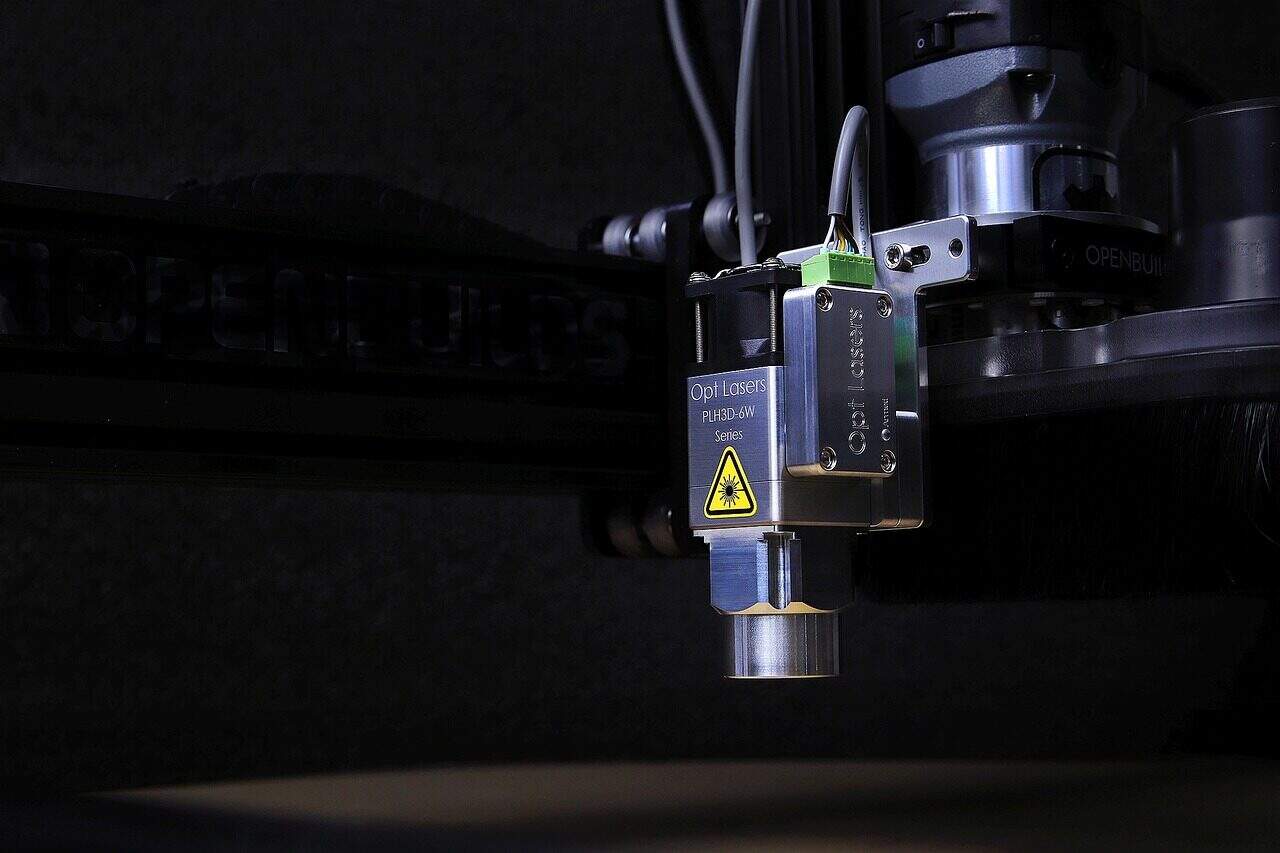
- During laser activation, the laser activates copper ions within the material to form circuit traces. Lasering activation is a crucial step where the laser activates the conductive areas on the plastic substrate, enabling the subsequent metallization step.
- In the plating process, the component is immersed in a plating bath that deposits copper, nickel, or other metals onto the lasered area, creating a conductive trace.
- Additional steps include the SMT process for component assembly, surface finishing, and final product inspection to ensure high-quality integration of electronics on 3D injection molded parts.
- The LDS process allows for the creation of molded interconnect devices (MIDs) with complex mechanical designs.
LDS Technology
- LDS technology is a key proceso de fabricación for producing 3D-MIDs with conductive traces, enabling the integration of electronic components and circuit traces into 3D plastic parts.
- Laser direct structuring (LDS) allows for more curves and smaller form factors than traditional technologies like stamped metal or flexible printed circuits.
- LPKF laser is a notable provider of LDS technology, offering solutions for producing 3D molded interconnect devices with integrated conductive traces.
- The technology compared to traditional manufacturing methods offers several advantages, including reduced assembly costs and improved wireless performance.
- LDS is particularly useful for medical devices, where maintaining small form factors and reducing assembly costs are crucial.
- The process enables the creation of components with desired shapes and unique antenna patterns.
Key Benefits
One of the key benefits of LDS is the reduction of assembly costs, as antennas can be implemented directly on the device, saving space and reducing the need for additional components.
LDS technology also enables design flexibility, allowing for the creation of complex designs and unique antenna patterns. It allows manufacturers to integrate complex mechanical designs directly into injection-molded components, providing greater flexibility and enhanced performance.
The process supports surface mount technology (SMT) and is suitable for mass production, making it an attractive option for manufacturers.
Additional benefits include the ability to produce several antennas on a single injection molded part, reducing production costs and improving efficiency.
LDS is also beneficial for medical technology, where the ability to create complex designs and reduce assembly costs is crucial.
Injection Molding
- Injection molding is the first step in the LDS process, creating 3D components using LDS-capable thermoplastics blended with metal-organic compounds.
- The process involves injecting molten plastic into a mold, which is then cooled and ejected, creating a 3D component with the desired shape.
- The molded part is then ready for laser activation, which triggers a chemical reaction, forming fine metal particles on treated surfaces.
- Injection molding is a critical step in the LDS process, as it determines the shape and cURL Too many subrequests..
- cURL Too many subrequests.
cURL Too many subrequests.
cURL Too many subrequests.
cURL Too many subrequests.
cURL Too many subrequests. cURL Too many subrequests. cURL Too many subrequests. cURL Too many subrequests..
cURL Too many subrequests.
cURL Too many subrequests.

cURL Too many subrequests. cURL Too many subrequests. cURL Too many subrequests.
cURL Too many subrequests.
cURL Too many subrequests.
cURL Too many subrequests.
cURL Too many subrequests.
cURL Too many subrequests.
- cURL Too many subrequests.
- En cURL Too many subrequests. cURL Too many subrequests.
- cURL Too many subrequests. cURL Too many subrequests. cURL Too many subrequests.
- cURL Too many subrequests.
- cURL Too many subrequests.
cURL Too many subrequests.
- cURL Too many subrequests.
- cURL Too many subrequests.
- cURL Too many subrequests.
- cURL Too many subrequests.
- cURL Too many subrequests.
cURL Too many subrequests.
- cURL Too many subrequests.
- cURL Too many subrequests.
- cURL Too many subrequests.
- cURL Too many subrequests. piezas automotrices.
- cURL Too many subrequests.
cURL Too many subrequests.
- cURL Too many subrequests.
- cURL Too many subrequests. cURL Too many subrequests.
- The development of new materials and technologies, such as nanotechnology and 3D printing, is expected to further enhance the capabilities of LDS.
- The process is expected to become more widespread, with increased adoption in various industries, including medical technology, automotive, and consumer electronics.
- Future developments will focus on improving the performance, efficiency, and cost-effectiveness of LDS technology.
Conclusión
- In conclusion, LDS technology is a powerful tool for producing components with unique antenna patterns and complex designs.
- The process offers several advantages, including reduced assembly costs, improved wireless performance, and the ability to create complex designs.
- The LDS process consists of injection molding, laser activation, and metallization, and requires specialized equipment and expertise.
- The technology has a wide range of applications, including medical devices, automotive, and consumer electronics.
- LDS is expected to continue to evolve, with advances in laser processing, metallization, and materials science enabling the creation of more complex designs and unique antenna patterns.

Economic and Environmental Implications
- The economic implications of LDS technology are significant, as it enables the reduction of assembly costs and the creation of complex designs.
- The process also has environmental implications, as it reduces the need for additional materials and minimizes waste.
- The use of LDS technology can also reduce the carbon footprint of manufacturing, as it enables the creation of more efficient and compact components.
- The process is also expected to have a positive impact on the economy, as it enables the creation of new jobs and industries.
- The economic and environmental implications of LDS technology make it an attractive option for manufacturers and consumers alike.
Enlaces de referencia:
- Molded interconnect device – Wikipedia https://en.wikipedia.org/wiki/Molded_interconnect_device
- 3D-MID Technology with Laser Direct Structuring (LDS) – LPKF https://www.lpkf.com/en/industries-technologies/electronics-manufacturing/3d-mids-with-laser-direct-structuring-lds
- What Are Molded Interconnect Devices or MIDs? – Altium https://resources.altium.com/p/what-are-molded-interconnect-devices-or-mids
- What are molded interconnect devices? – EDN https://www.edn.com/what-are-molded-interconnect-devices/
- Process chains for the manufacturing of molded interconnect devices – ResearchGate https://www.researchgate.net/publication/225625164_Process_chains_for_the_manufacturing_of_molded_interconnect_devices
- A fast and flexible method for manufacturing 3D molded interconnect devices – ScienceDirect https://www.sciencedirect.com/science/article/pii/S1875389210005109
- Injection moulding – Wikipedia https://en.wikipedia.org/wiki/Injection_moulding
- Injection Moulding Process – ScienceDirect Topics https://www.sciencedirect.com/topics/engineering/injection-moulding-process
- Advanced Injection Molding Methods: Review – PMC (NIH) https://pmc.ncbi.nlm.nih.gov/articles/PMC10489002/
- Injection Molding of Thermoplastics – SpringerLink https://link.springer.com/chapter/10.1007/978-1-4615-7604-4_5