 French
  English
  German
  Spanish
  Portuguese
  Japanese
  Arabic
  Korean
  Vietnamese
  Russian
 The Complete Guide to Alloy Steel Screws Raw Material: Buying, Using, and Storing
Introduction
The strength of any building or machine often depends on its smallest parts, like screws. For jobs that require high strength, choosing the right alloy steel screws raw material is not just a small detail—it is the foundation of safety and how well something works. The final strength, toughness, and reliability of a fastener are decided long before it is made; they are built into the chemical makeup and quality of the raw material it comes from. This choice directly affects everything from how much weight a skyscraper can hold to how well an engine bolt can handle repeated stress.
Alloy steel raw materials for screws are special steel types that contain elements beyond carbon, such as chromium, molybdenum, and nickel. These elements are designed to improve properties like strength, toughness, and resistance to wear compared to regular carbon steels. Picking the right type is a critical decision for any engineer or purchasing manager. This guide provides a complete, practical framework for professionals. We will walk you through understanding the types of alloys, making the right choice, navigating the buying process, and using best practices for storage and handling to ensure final product quality.
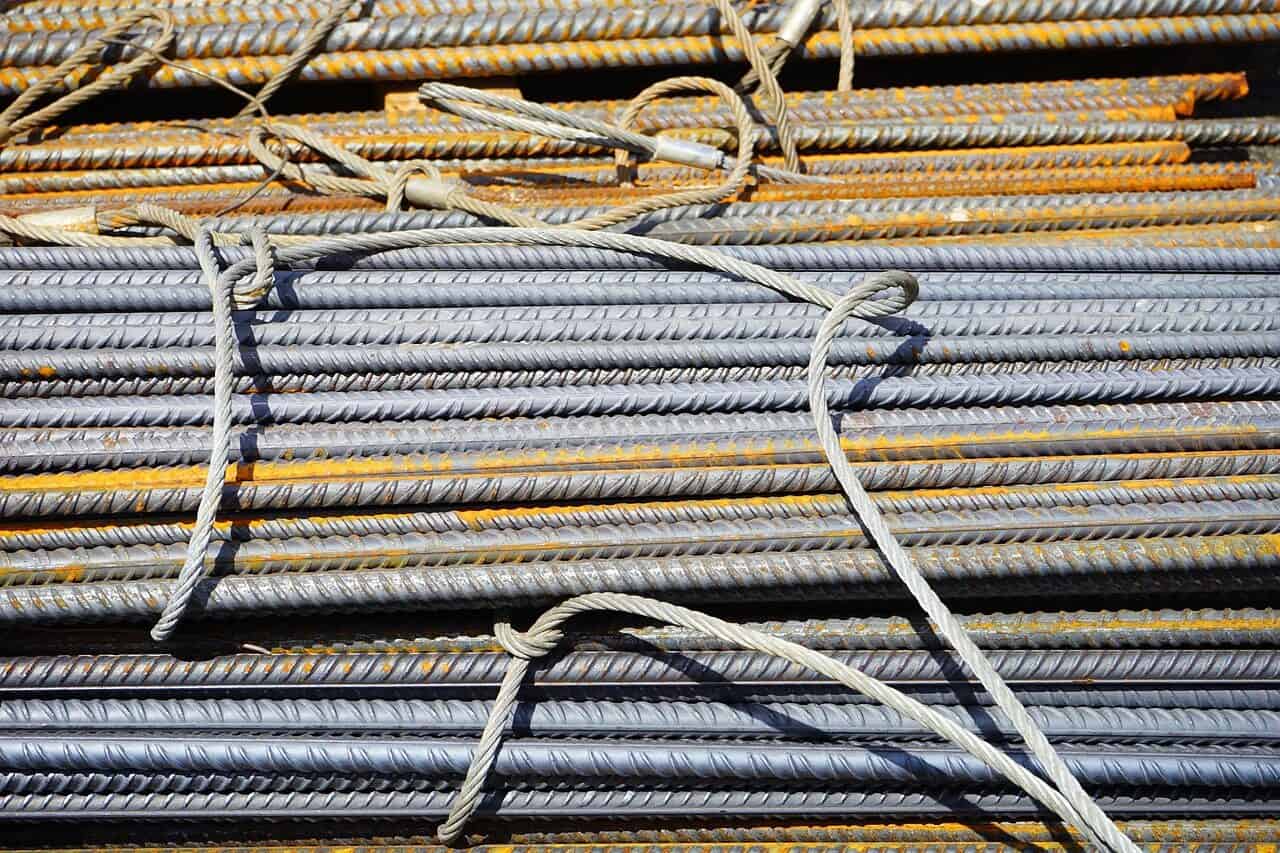
Understanding Alloy Steel Types
To make smart decisions, one must first understand the basic differences between common materials. Using alloy steel is a deliberate choice made to meet performance needs that standard carbon steel cannot. This section provides the basic technical knowledge needed to tell materials apart and understand their main properties.
Benefits Over Carbon Steel
The decision to choose alloy steel over carbon steel for fasteners is driven by the need for better mechanical properties. While carbon steel works fine for many general uses, it falls short where high stress, changing loads, or extreme temperatures are involved.
- Higher Tensile Strength and Hardness: The main benefit of alloy steel is how it responds to heat treatment. Alloying elements allow the steel to reach much higher tensile strengths and surface hardness through heating and cooling processes, a capability far beyond that of plain carbon steels. This is essential for high-strength fasteners like those in ISO classes 10.9 and 12.9.
- Better Toughness and Fatigue Resistance: Alloy steels, especially those with nickel, show greater toughness, which is the ability to absorb energy and bend without breaking. This is critical in applications with shock or impact loads. They also offer better fatigue resistance, allowing them to withstand repeated cycles of loading and unloading without failure, a key requirement for parts in engines and machinery.
- Better Temperature Performance: Adding elements like molybdenum and chromium improves the steel’s strength at high temperatures (creep resistance). On the other hand, nickel improves toughness and prevents brittleness at low temperatures. This makes alloy steels suitable for a much wider operating range than carbon steels.
Principaux éléments d'alliage
The specific properties of an alloy steel type are determined by the type and percentage of elements added to the iron and carbon base. Each element plays a distinct role in changing the steel’s structure and performance.
- Chromium (Cr): A cornerstone element for hardness. Chromium increases the material’s response to heat treatment, leading to greater strength and wear resistance. In higher amounts, it is the primary element that provides rust resistance in stainless steels, but even in lower amounts in alloy steels, it offers a modest improvement in rust resistance and prevents scaling at high temperatures.
- Molybdenum (Mo): Molybdenum is a powerful agent for increasing hardenability, meaning it allows for successful hardening of larger cross-sections. It also significantly improves strength at high temperatures, making it a critical component in materials used for high-temperature bolting, such as those specified in ASTM A193.
- Nickel (Ni): Nickel is the key element for improving toughness and impact strength, especially at low temperatures. It is vital for applications where fasteners might be subjected to sudden shocks or operate in very cold conditions. Nickel also contributes to hardenability.
- Vanadium (V): Vanadium is used in small quantities to refine the grain structure of the steel. A finer grain structure improves both strength and toughness at the same time. It also increases wear resistance and raises the temperature at which the steel begins to soften.
- Manganese (Mn): While present in almost all steels, manganese is added in higher quantities in alloy steels to improve hardenability and wear resistance. It also counteracts the harmful effects of sulfur, improving the steel’s hot-working properties.
- Boron (B): Added in extremely small amounts, boron has a very large effect on hardenability. Boron-treated steels like 15B41 can achieve high strength levels comparable to more expensive, higher-alloyed steels, making them a cost-effective choice for high-volume production of automotive bolts and screws meeting standards like SAE J429 Grade 8.
Common Screw Steel Types
The industry relies on a set of standard alloy steel types, each offering a unique balance of performance, ease of manufacturing, and cost. Understanding these common types is the first step toward making an appropriate choice. The following table provides a comparison of materials frequently used for manufacturing high-strength screws.
Table 1: Comparison of Common Alloy Steel Raw Materials for Screws
| Grade (AISI/SAE) | Principaux éléments d'alliage | Main Characteristics & Strengths | Utilisations courantes | Relative Cost Index |
| 4140 | Cr, Mo | Excellent strength, toughness, and wear resistance after heat treatment. Versatile and widely available. | High-strength bolts, machine parts, automotive components, structural fasteners. | Moyen |
| 4340 | Ni, Cr, Mo | Superior toughness and strength compared to 4140. Good for larger section sizes. Excellent fatigue resistance. | Aircraft landing gear, high-stress engine bolts, critical structural components. | Haut |
| 8620 | Ni, Cr, Mo | Primarily a carburizing steel. Creates a very hard surface with a tough core. Excellent wear resistance. | Gears, camshafts, specialized wear-resistant fasteners where surface hardness is key. | Moyen-élevé |
| 15B41 (Boron Steel) | B, Mn | Excellent hardenability at a lower cost than traditional alloys. Responds very well to heat treatment. | High-volume automotive bolts and screws (e.g., Grade 8.8, 10.9). | Faible-Moyenne |
cURL Too many subrequests.

cURL Too many subrequests.
cURL Too many subrequests.
cURL Too many subrequests.
- cURL Too many subrequests.
- cURL Too many subrequests.
- cURL Too many subrequests. cURL Too many subrequests. cURL Too many subrequests.
cURL Too many subrequests.
cURL Too many subrequests.
- cURL Too many subrequests.
- cURL Too many subrequests.
cURL Too many subrequests.
cURL Too many subrequests. cURL Too many subrequests..
- cURL Too many subrequests.
- cURL Too many subrequests.
- cURL Too many subrequests.
cURL Too many subrequests.
cURL Too many subrequests.
- cURL Too many subrequests.
- cURL Too many subrequests.
cURL Too many subrequests.
cURL Too many subrequests.
cURL Too many subrequests.
cURL Too many subrequests.
- cURL Too many subrequests.
- cURL Too many subrequests.
cURL Too many subrequests.
cURL Too many subrequests.
cURL Too many subrequests.
| Catégorie | Élément de la liste de contrôle | cURL Too many subrequests. |
| cURL Too many subrequests. | cURL Too many subrequests. | cURL Too many subrequests. |
| cURL Too many subrequests. | cURL Too many subrequests. | |
| cURL Too many subrequests. | cURL Too many subrequests. | cURL Too many subrequests. |
| cURL Too many subrequests. | Industry-specific experience means they understand the relevant standards and quality expectations. | |
| Logistics & Inventory | Do they maintain adequate stock of the grades you need? What are their lead times? | Ensures your production line does not stop due to material shortages. Reliability is key. |
| What is their process for ensuring material traceability and preventing mix-ups in their warehouse? | A strong internal system prevents costly errors like shipping the wrong grade of steel. | |
| Reputation | Can they provide references from other customers in your industry? | Social proof of their reliability, service quality, and ability to deliver on their promises. |
Understanding the MTR
The Material Test Report (MTR), also known as a mill certificate, is the most important quality document you will receive with your raw material. It is a formal record from the steel mill certifying the material’s properties. From an experienced quality control perspective, knowing how to read and interpret this document is a fundamental skill.
- Heat Number: Think of this as the material’s birth certificate. It is a unique code assigned to a specific batch or “heat” of steel produced at the mill. Every process and test result on the MTR is tied directly to this number. This heat number must be traceable from the raw material bar all the way to the finished box of screws. This is the cornerstone of all quality control and any potential failure analysis.
- Chemical Composition: The MTR will list the exact chemical analysis of the heat, showing the weight percentage of carbon, manganese, chromium, molybdenum, and other specified elements. Your first check should be to compare this analysis against the required range for the ordered grade (e.g., for 4140, chromium should typically be between 0.80% and 1.10%). If any element is outside the specification, the material is non-conforming.
- Mechanical Properties: This section reports the results of physical tests performed on samples from the heat. Key values include Tensile Strength (the maximum stress the material can withstand), Yield Strength (the stress at which the material begins to deform permanently), and Elongation (a measure of ductility). As a crucial tip: always cross-reference these reported values with the requirements of the standard (e.g., ASTM A193 B7) that you specified in your purchase order. The MTR might show the material in its “as-rolled” or annealed state, so these properties will change significantly after your own heat treatment process. Understanding this distinction is vital.
Handling and Storing Raw Material
The investment in high-quality alloy steel can be completely wasted if the material is not handled and stored correctly. Proper storage practices are not just about housekeeping; they are a critical quality control step that prevents material degradation before it even enters the production line. Improper storage can ruin even the highest-grade material.
Enemies of Alloy Steel
Once the material arrives at your facility, it faces three main threats: corrosion, contamination, and mechanical damage. A strong storage plan is designed to reduce all three.
- Corrosion (Rust): This is the primary and most obvious enemy. Alloy steel is not stainless. When exposed to humidity, condensation, or direct contact with moisture, it will begin to rust. Surface rust can often be cleaned, but significant pitting can create stress risers that compromise the integrity of the final screw.
- Contamination: Contact with foreign substances can cause significant problems. Oils and greases can interfere with heat treatment, leading to soft spots. Dirt and grit can increase wear on forming dies. Cross-contamination from other metals, such as grinding dust from stainless steel, can embed in the surface and become a localized point for corrosion.
- Mechanical Damage: Raw material in the form of bars or coils is susceptible to damage during transport and handling. Dents, deep scratches, and gouges are not just cosmetic flaws. These imperfections can act as stress concentration points, becoming the origin of a fatigue crack in a finished, high-stress fastener.
Practical Storage Solutions
An effective storage system is simple, organized, and focused on protecting the material.
- Indoor Storage is Non-Negotiable: This is the most important rule. Alloy steel raw material must be stored indoors in a dry, preferably climate-controlled, building. Storing it outside, even temporarily under a tarp, is an invitation for corrosion.
- Keep it Dry and Off the Floor: Material should be stored on proper racking systems or on wooden pallets. Direct contact with a concrete floor should always be avoided, as concrete can absorb moisture from the ground and hold it against the steel, speeding up rust.
- Material Identification: Clear and permanent identification is critical to prevent material mix-ups. Every bar, bundle, or coil must be clearly labeled with its grade, heat number, and diameter. We have seen entire production runs of critical fasteners ruined because a bar of 4140 was mistaken for 4340. Proper, clear labeling on every piece of stock is cheap insurance against catastrophic errors.
- Inventory Management: Implement a First-In, First-Out (FIFO) system. This ensures that older material is used before newer material, minimizing the total time any given piece of stock sits in storage and reducing its overall exposure to potential degradation.
Handling and Storage Do’s and Don’ts
A simple checklist can serve as a quick reference for all personnel involved in receiving, storing, and moving raw material.
Table 3: Raw Material Storage Best Practices
| Do | Don’t |
| DO cURL Too many subrequests. | cURL Too many subrequests. cURL Too many subrequests. |
| DO cURL Too many subrequests. | cURL Too many subrequests. cURL Too many subrequests. |
| DO cURL Too many subrequests. | cURL Too many subrequests. cURL Too many subrequests. |
| DO cURL Too many subrequests. | cURL Too many subrequests. cURL Too many subrequests. |
| DO cURL Too many subrequests. | cURL Too many subrequests. cURL Too many subrequests. |
cURL Too many subrequests.
cURL Too many subrequests.
cURL Too many subrequests.
Liens de référence :
- cURL Too many subrequests. https://www.azom.com/article.aspx?ArticleID=6769
- cURL Too many subrequests. https://www.xometry.com/resources/materials/4140-alloy-steel/
- cURL Too many subrequests. https://www.theworldmaterial.com/astm-sae-aisi-4340-alloy-steel/
- cURL Too many subrequests. https://www.matweb.com/
- cURL Too many subrequests. https://www.portlandbolt.com/technical/specifications/sae-j429/
- cURL Too many subrequests. https://www.portlandbolt.com/technical/specifications/
- cURL Too many subrequests. https://www.sae.org/standards/content/j429f_197106/
- cURL Too many subrequests. https://www.americanfastener.com/astm-sae-and-iso-grade-markings-for-steel-fasteners/
- cURL Too many subrequests. https://www.engineeringtoolbox.com/material-properties-t_24.html
- cURL Too many subrequests. https://asm.matweb.com/search/SpecificMaterial.asp?bassnum=m4130r