 English
  German
  Spanish
  Portuguese
  French
  Japanese
  Arabic
  Korean
  Vietnamese
  Russian
 If you’ve ever assembled flat-pack furniture, bound a leather portfolio, or mounted glass panels to a storefront — there’s a solid chance a sex bolt was doing the holding. Most people have no idea what they’re called. They just notice the clean, low-profile head on both sides of the material and move on. But if you’re a designer, manufacturer, purchasing manager, or serious DIYer, understanding what a sex bolt actually is, how to size one correctly, and where they genuinely outperform other fasteners saves a lot of frustrated rework and mismatched components.
This guide covers the full picture: what sex bolts are and why the design exists, the different types and their specific use cases, how to read specifications correctly, what goes wrong in installation, and where the category is heading in 2026.
What Is a Sex Bolt? The Design Logic Explained
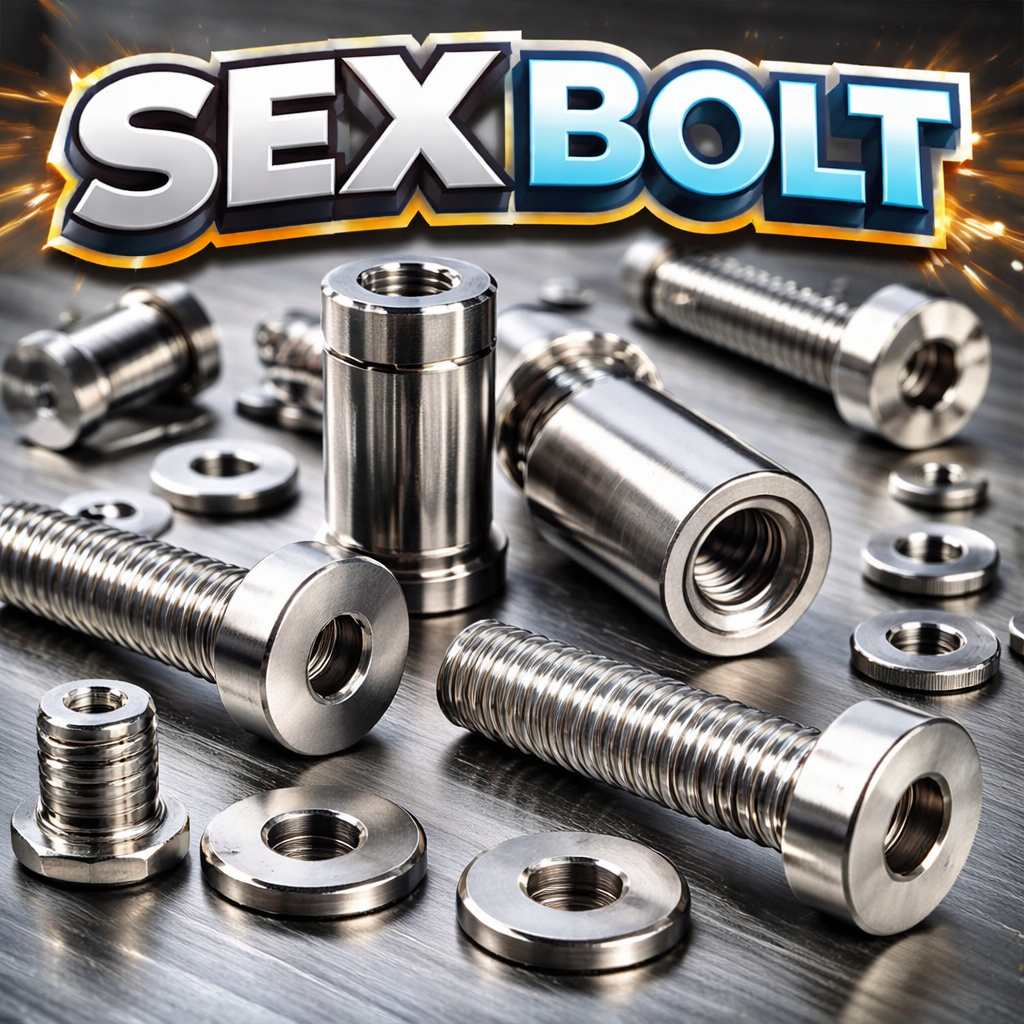
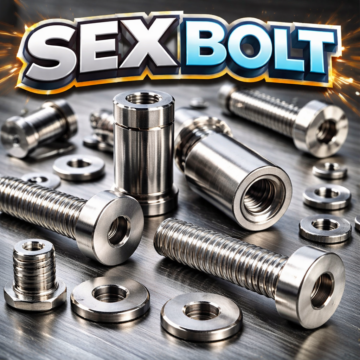
A sex bolt is a two-piece fastener consisting of a barrel-shaped post (the female component, internally threaded) and a matching machine screw. The barrel sits inside a through-hole drilled in the material; the screw enters from the opposite side and threads into the barrel’s interior. When tightened, both heads compress the material between them — creating a flush, low-profile connection with a finished head visible on both faces.albanycountyfasteners+1
That two-sided head visibility is the entire reason sex bolts exist. Standard bolts and nuts work fine for purely structural joints where aesthetics don’t matter and access is possible from both sides. But when both faces of a joint need to look intentional — think furniture visible from all angles, leather goods with stitching on one side and hardware on the other, or glass-to-metal architectural connections — the sex bolt’s symmetrical fastening profile is the solution that other fastener types can’t replicate.youtube
Sex bolts go by several names depending on the trade:
Barrel nuts — the name most commonly used in engineering and industrial contexts
Chicago screws — common in leatherworking, bookbinding, and craft contexts
Connector bolts — used frequently in furniture manufacturing
Binding posts or binder posts — used in document binding, albums, and stationery
Post and screw fasteners — the generic descriptive name
The name varies by industry, but the product is identical: an internally threaded barrel plus a matching screw, designed for through-hole assembly with a finished head on both sides.gdchuanghe
Types of Sex Bolts: More Variation Than Most People Realize
The sex bolt category isn’t a single product — it’s a family of fasteners with meaningful design differences depending on the application. Getting the wrong type for a job doesn’t just look wrong; it can affect clamping force, corrosion resistance, disassembly access, and even whether the fastener can physically fit in the mounting hole.fastenright+1
Standard Sex Bolts
The most common format. A cylindrical barrel with a flat flanged head on one end, paired with a flat-head or pan-head machine screw. Used in furniture, general manufacturing, and hardware applications where both sides of the joint need a clean finish but no special tooling or aesthetic requirement drives a more specialized format. Thread sizes range from M3 through 1/4″-20 for most applications; larger sizes exist for heavy industrial use.
Chicago Screws
A specific subset of sex bolt distinguished by having a slotted head on both the barrel and the screw — meaning either component can be turned with a standard flathead screwdriver. Chicago screws are the standard in leatherworking and bookbinding precisely because they’re designed for repeated assembly and disassembly: the leather hole punch and a screwdriver are all you need to install or remove them. The slotted format also means they’re available in decorative finishes — nickel, brass, antique copper, black oxide — where visual character matters as much as function.albanycountyfasteners
Architectural Barrel Nuts
A premium variant designed specifically for visible structural applications in architecture and interior design: glass facades, balustrades, canopy connections, feature walls. Architectural sex bolts are typically manufactured from 316 stainless steel (higher corrosion resistance than standard 304) with polished or satin-brushed finishes, oversized head diameters for visual impact, and sometimes tamper-resistant drive formats to prevent unauthorized disassembly. The head profiles on architectural barrel nuts are often designed to be the visual feature of the connection, not just the functional component.youtubefastenright
Countersunk Sex Bolts
Both the screw and barrel can be produced with countersunk (flat) heads that sit flush with or below the material surface, rather than the standard raised head that sits proud of the surface. Countersunk sex bolts are used when the joint surface needs to be completely flat — sliding surfaces, applications where objects pass over the fastener location, or design contexts where any raised hardware would be visually intrusive.
Security and Tamper-Resistant Formats
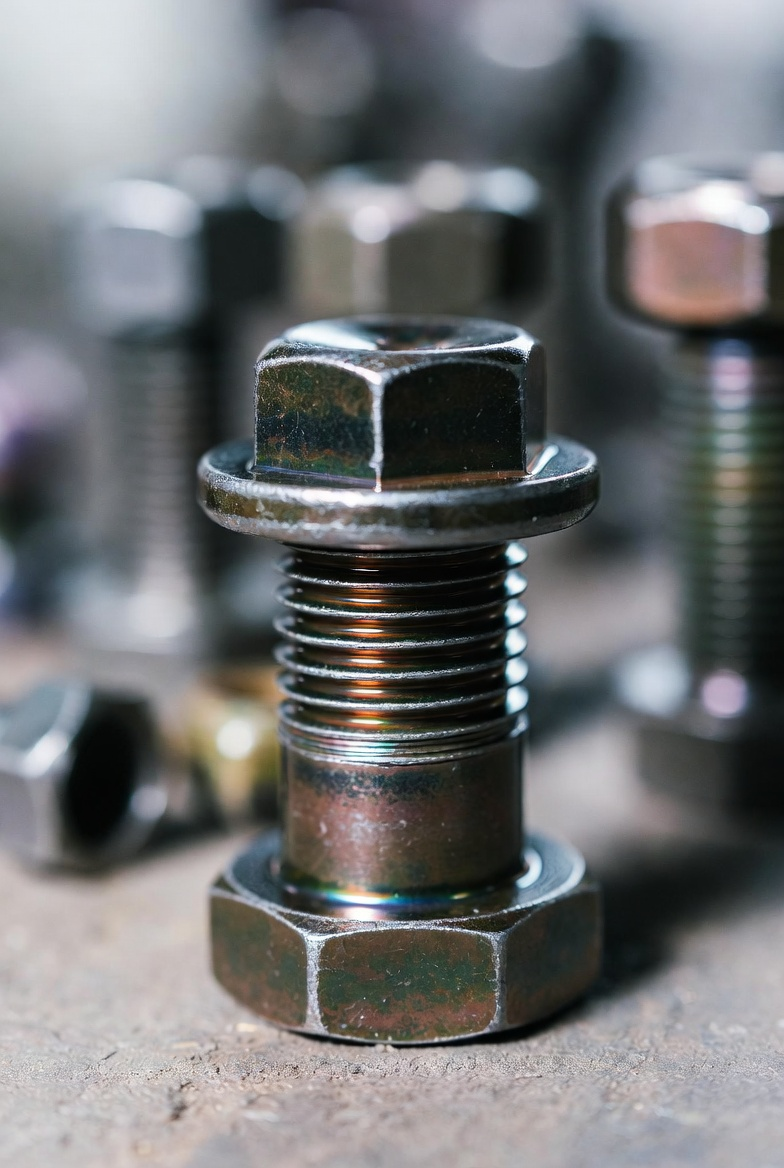
Some sex bolt applications — public installations, transport seating, architectural panels in high-traffic areas — require that the fastener cannot be removed with standard tools. Security-format sex bolts use specialized drive recesses (pin-in-Torx, one-way slotted drives, or proprietary formats) that require matching driver bits not commercially available. This doesn’t make the connection impossible to disassemble, but it meaningfully increases the effort required for unauthorized removal.fastenright
Acrylic and Panel Fasteners
A variant specifically designed for mounting acrylic sheet, signage, and thin panel materials to walls or frames. These sex bolts typically have larger-diameter barrel heads (standoff style) that hold the panel slightly away from the mounting surface, creating a floating effect that’s standard in retail signage, wayfinding systems, and contemporary interior design.mudgefasteners
Sex Bolt Specifications: How to Read Sizing Correctly
This is where most purchasing mistakes happen. The sizing of a sex bolt involves four interdependent dimensions, and getting any one of them wrong produces a joint that either doesn’t clamp properly, strips during tightening, or leaves a loose, rattling assembly.albanycountyfasteners
Thread size determines the diameter and pitch of the barrel’s internal threads and the screw’s external threads. In imperial sizing, common values are 6-32, 8-32, 10-24, and 1/4″-20. In metric sizing, M3, M4, M5, and M6 cover most applications. The thread size is the first specification to determine based on the load requirements of the joint.
Barrel length (post length) is the dimension that most often gets specified incorrectly. The barrel must extend through the full thickness of the material being fastened, plus a small clearance allowance — typically 1/16″ to 1/8″ — so the screw can develop proper thread engagement without the barrel head bottoming out. A barrel that’s too short means the threads won’t fully engage; a barrel that’s significantly too long leaves a gap between the heads and the material, producing a loose joint that can work free over time.albanycountyfasteners
The correct formula: Required Barrel Length = Material Thickness + 1/16″ to 1/8″ clearance
Barrel head diameter affects the bearing surface against the material face. Larger head diameters distribute clamping force across more surface area, which matters for soft materials (leather, wood, acrylic) that can deform under concentrated point loading.
Clearance hole diameter in the material needs to be sized to accept the barrel body snugly without excessive play. Too tight and the barrel won’t seat; too loose and the fastener will shift under load.albanycountyfasteners
rivetsinstock+2
Materials and Finishes: What to Specify and Why
The material choice for a sex bolt affects corrosion resistance, appearance, strength, and cost — in that order of importance for most applications.mudgefasteners+1
Steel (zinc plated) is the standard for interior applications where cost is a primary factor. The zinc plating provides adequate corrosion protection in dry indoor environments. Most commodity sex bolts purchased through general hardware distributors are zinc-plated steel.
Stainless steel (304) is appropriate for light outdoor exposure, food-adjacent applications, and any environment with elevated humidity or occasional water contact. The passivated surface resists oxidation without plating that can chip or wear. Most leatherworking and general architectural sex bolts that claim “corrosion resistance” are 304 stainless.
Stainless steel (316) is the specification for marine, coastal, and harsh outdoor environments. The molybdenum addition in 316 provides significantly better resistance to chloride corrosion (salt water, cleaning chemicals) than 304. Architectural barrel nuts in coastal building projects should always specify 316, not generic stainless.fastenright
Brass has been a standard material for sex bolts in bookbinding, leatherwork, and decorative hardware for decades. The warm color, non-magnetic nature, and amenability to plating (nickel, gold, antique) make brass appropriate where aesthetics drive the specification. Brass sex bolts are softer than steel — not appropriate for applications with significant mechanical load.
Aluminum — uncommon but used in weight-sensitive applications (aerospace-adjacent, portable equipment) and in acrylic/glass panel mounting where visual lightness is part of the design intent.
mudgefasteners+2
How to Install a Sex Bolt Correctly: Step by Step
The installation process for sex bolts is straightforward, but there are specific points where errors consistently appear — and they produce assemblies that look fine until they fail or loosen over time.albanycountyfasteners+1
Step 1: Drill the clearance hole. Use the correct drill diameter for the barrel body size (see the table above). Drill perpendicular to the material face — an angled hole will cause the barrel to tilt, producing uneven clamping and a visually crooked head. For hard materials like steel or thick acrylic, deburr the hole edges before installing the barrel.
Step 2: Insert the barrel. The barrel slides through the hole from one face of the material. On materials where the barrel head finish matters (leather, wood, acrylic), ensure the head seats cleanly against the surface without gaps or tilting. For soft materials, consider whether a washer under the barrel head is appropriate to increase the bearing surface and prevent the head from sinking.
Step 3: Align the screw. From the opposite face, thread the machine screw into the barrel’s internal threads by hand until finger-tight. At this point, check that both heads are sitting flat against their respective faces. Any gap or tilt at this stage indicates either a misaligned hole or the wrong barrel length — correct before proceeding.
Step 4: Tighten to appropriate torque. Sex bolts are not structural bolts — over-tightening is a common mistake that strips the threads or deforms the barrel. Tighten until the heads are snug against the material faces and there is no movement in the joint. For most sizes, this is hand-tight plus approximately a quarter turn with a driver. For critical applications, use a torque-limiting screwdriver.albanycountyfasteners
Step 5: Check for thread engagement. If the joint feels soft or the screw turns without generating clamping force, the barrel length is insufficient — the screw is bottoming out in the barrel bore without developing thread engagement. Replace with the next longer standard barrel length.
The most common installation failures:
Barrel too short — threads don’t engage properly; joint feels loose immediately
Over-tightening on soft materials — barrel head sinks or screw strips
Wrong clearance hole size — barrel rocks in hole, producing visible misalignment
Mixing thread sizes — 6-32 screw into 8-32 barrel will appear to thread but will strip immediately under load
Industry Applications: Where Sex Bolts Do Real Work
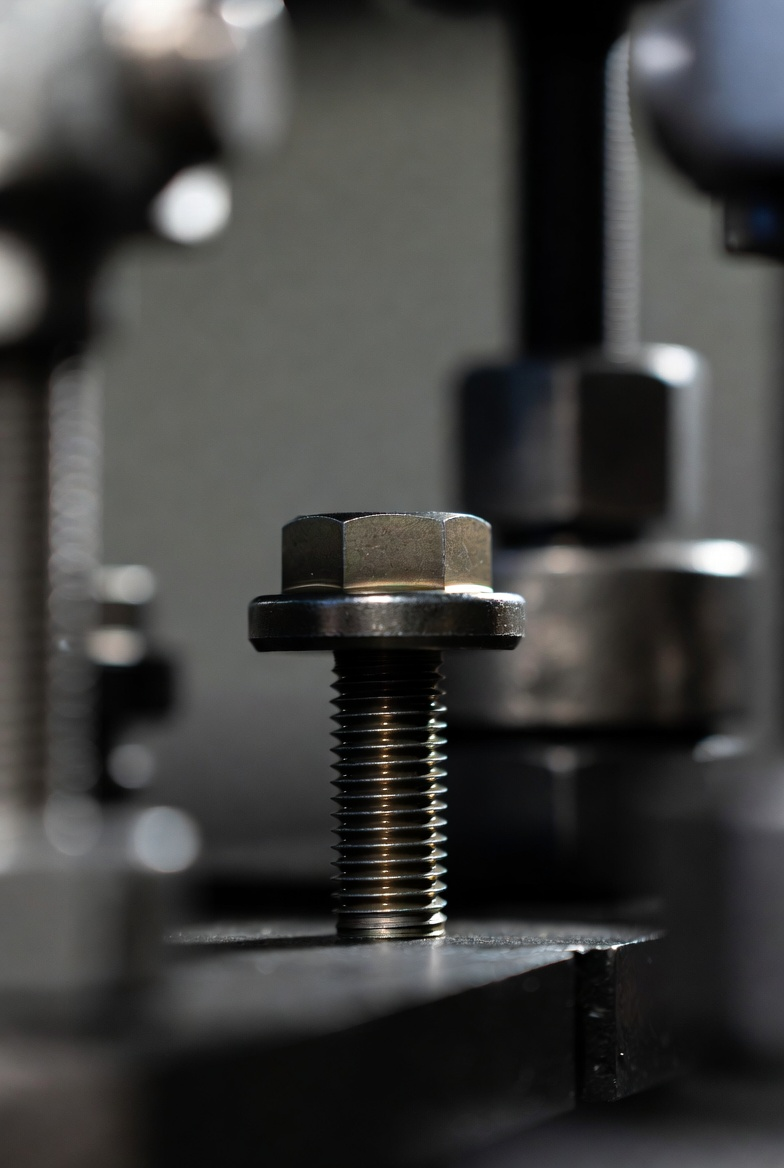
Sex bolts are used across a wider range of industries than most people in any single field realize. The combination of through-bolt connection, clean bilateral head presentation, and design flexibility makes the sex bolt genuinely useful across contexts that have nothing in common except the need for that specific joint geometry.youtubemudgefasteners
Furniture Manufacturing
Modern furniture design — particularly the Scandinavian and minimalist categories that remain commercially dominant — relies on sex bolts for table leg connections, shelf brackets, chair arm attachments, and modular system assemblies. The sex bolt’s ability to produce a connection visible from all sides, with a finished appearance rather than an exposed nut, is the technical feature that makes certain furniture designs possible without visible hardware that would conflict with the aesthetic intent.albanycountyfasteners
Flat-pack furniture specifically benefits from sex bolt connections because the joint is designed for assembly in place without any fabrication-stage access: the barrel drops into a pre-drilled hole, the screw comes in from the opposite face, and the connection is complete without any tools other than a driver. Knock-down furniture systems — designed for repeated assembly and disassembly — use sex bolts because Chicago screw variants allow full disassembly with standard tools while maintaining the same finished appearance on reassembly.
Leatherworking and Craft
Chicago screws are the standard fastener in professional leatherwork — holsters, belts, portfolio covers, watch straps, saddlery. The reasons are practical: leather requires a fastener with enough head diameter to grip the material without tearing, a low profile that doesn’t interfere with the leather’s drape or function, and the ability to be disassembled for adjustment, repair, or size modification. Chicago screws deliver all three, which is why they’ve remained the industry standard for over a century in spite of the dozens of alternative fastener formats that exist.albanycountyfasteners
The decorative finish options in Chicago screws — antique brass, nickel, black oxide, copper — also match the aesthetic language of leatherwork in a way that standard zinc-plated steel sex bolts do not. Specifying the finish as part of the Chicago screw selection is standard practice in professional leatherworking, not an afterthought.
Bookbinding and Document Assembly
Binder posts (a direct application of the sex bolt format) are the standard for scrapbooks, photo albums, catalogs, swatchbooks, and any bound document where the page count needs to be adjustable. The sex bolt format allows the binding post to be selected in different lengths for different page thicknesses, and replaced when the document grows. This is a technical advantage that spiral binding, sewn binding, and permanent adhesive formats cannot replicate.boltdepot
In high-volume commercial applications — product catalogs, architectural material libraries, sample books — binder post sex bolts are the fastener of choice for documents that are actively maintained and updated over years.
Architectural and Signage Applications
Glass panels, acrylic signage, metal cladding, and composite panel systems all use sex bolts in architectural applications because the two-sided head creates a connection that can be designed as a visual element rather than hidden or covered. Point-fixed glass facades — where glass panels connect directly to structure without frames — rely almost entirely on architectural barrel nut formats. The visible connection point becomes part of the facade design.youtubefastenright
Retail signage and wayfinding systems are another major sex bolt application: standoff-style sex bolts hold signs and graphics panels away from walls with a consistent gap, creating the floating effect standard in contemporary retail and hospitality interiors.
Automotive Aftermarket
Interior trim panels, custom upholstery, speaker grille mounts, and aftermarket accessory mounting in vehicles use sex bolts specifically for their ability to connect through panel materials without requiring access to the back face during final installation. The automotive aftermarket segment values the low-profile head geometry because interior trim applications have tight packaging constraints and visible fastener heads that don’t match surrounding materials are a quality-signal failure in professional custom builds.mudgefasteners
Common Mistakes When Specifying or Buying Sex Bolts
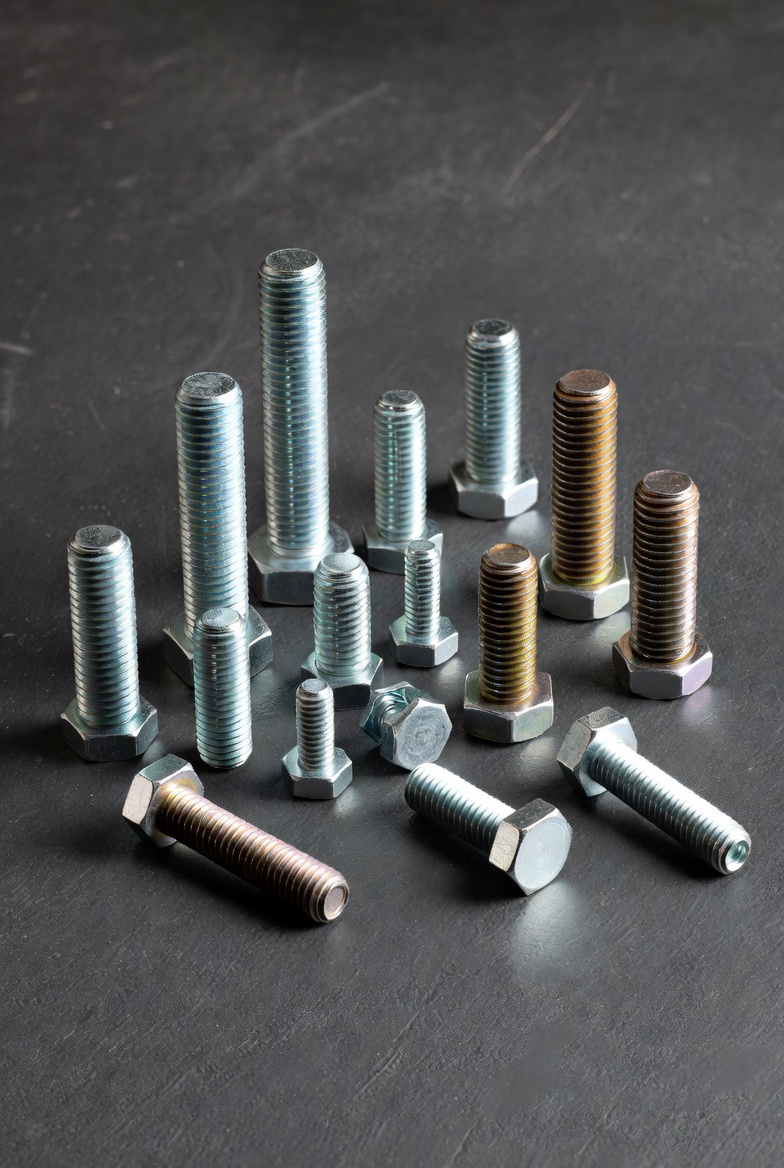
Several consistent errors appear across purchasing contexts that can be avoided with more precise specification.
Using the length of the screw instead of the barrel to determine specification. The barrel length determines whether the fastener fits the material — the screw length is secondary. Many buyers describe what they want by the screw dimensions and end up with a mismatched barrel that doesn’t fit their actual material thickness.
Confusing thread systems. Mixing imperial and metric sex bolt components is more common than it should be. An M4 screw will appear to start threading into a 10-24 barrel (the dimensions are close) but will strip immediately. Always specify and procure barrel and screw as a matched pair, or verify thread compatibility before combining components from different sources.
Specifying stainless steel generically without grade. A sex bolt described as “stainless” could be 303, 304, or 316 — three materially different corrosion resistance specifications. For any outdoor, marine, or food-service application, specify 316 explicitly.fastenright
Underestimating quantity for large projects. Sex bolts in most applications require a barrel and a screw per connection point. A furniture piece with 12 connection points needs 12 barrels and 12 screws — 24 components total, not 12.
Future Trends in Sex Bolts and Fastener Technology
The sex bolt category is stable in its core applications but actively evolving in materials, finish options, and integration with new manufacturing methods.cognitivemarketresearch+1
Expanded Stainless and Exotic Material Availability
Demand for 316 stainless sex bolts in architectural and coastal building applications is growing faster than the overall fastener market. Duplex stainless grades (2205, 2507) are beginning to appear in sex bolt product ranges for the most demanding corrosion environments — offshore structures, coastal buildings in tropical climates, chemical processing facilities. Titanium sex bolts, previously only available through specialty suppliers to aerospace and high-end cycle markets, are becoming more accessible as titanium machining costs decrease.
Tamper-Evident and Smart Fastener Integration
Building on the security-format sex bolt category, tamper-evident variants — which show visible evidence of any unauthorized disassembly attempt — are gaining traction in applications where audit trails matter: museum installations, evidence displays, secure transport systems. The intersection of smart manufacturing and fasteners is also producing early-stage development of sex bolts with embedded RFID tags or torque-sensing elements for quality assurance in production environments.
Custom Finish and CNC-Machined Design Variants
The architectural and high-end furniture markets are increasingly specifying custom-machined sex bolts with specific head geometries, custom drive recesses, and PVD or powder-coat finishes matched to project color palettes. CNC machining centers capable of small-batch custom fastener production make this practical at project scales that previously wouldn’t have justified custom components. The result is sex bolts that function as design elements — specified in architect drawings as precisely as any other visible hardware.
Sustainable Material Sourcing and Recycled Content
Procurement standards in large construction and furniture manufacturing companies are beginning to require environmental product declarations (EPDs) and recycled content documentation for fasteners — previously unheard of in the commodity fastener space. Sex bolt manufacturers serving the architectural and premium furniture markets are responding by documenting stainless and steel alloy provenance and recycled content, which becomes a requirement for projects pursuing LEED, BREEAM, or similar environmental certifications.
For sourcing sex bolts across all formats — standard, architectural, Chicago screw, stainless grades, and custom configurations — Sinofude Technology’s Bulk Hardware Guide and product range resources provide specifications for volume sourcing and custom manufacturing requirements.
Authority References: