English
  German
  Spanish
  Portuguese
  French
  Japanese
  Arabic
  Korean
  Vietnamese
  Russian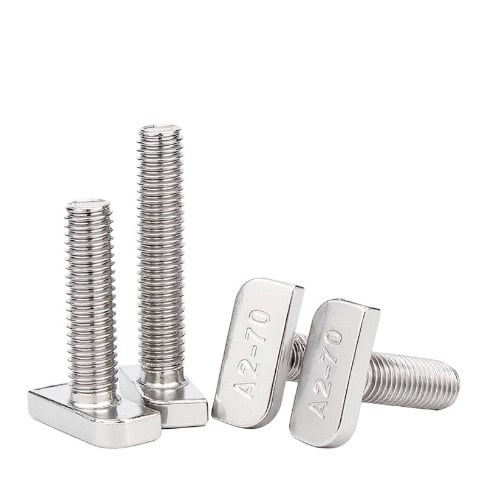
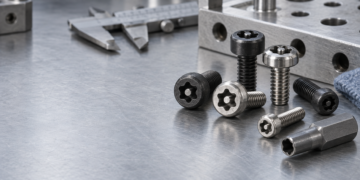
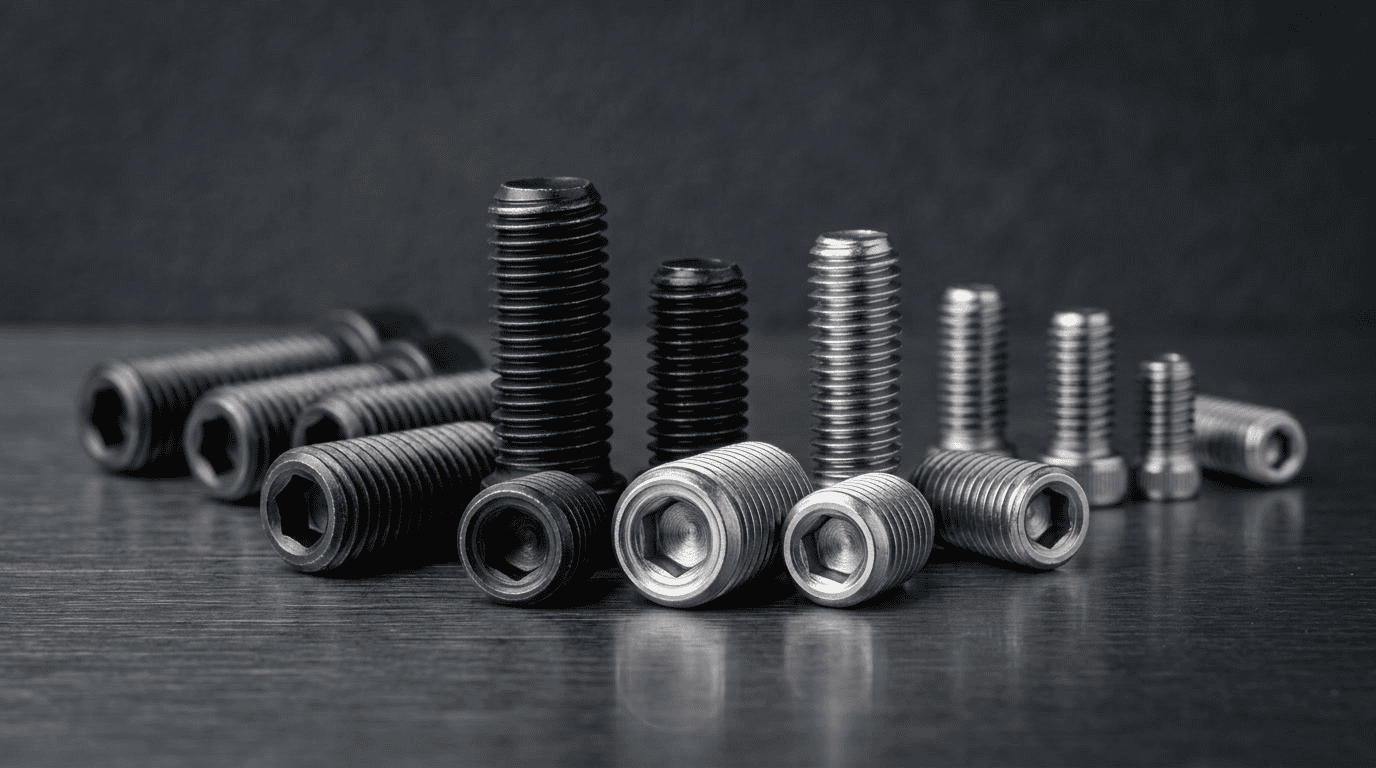
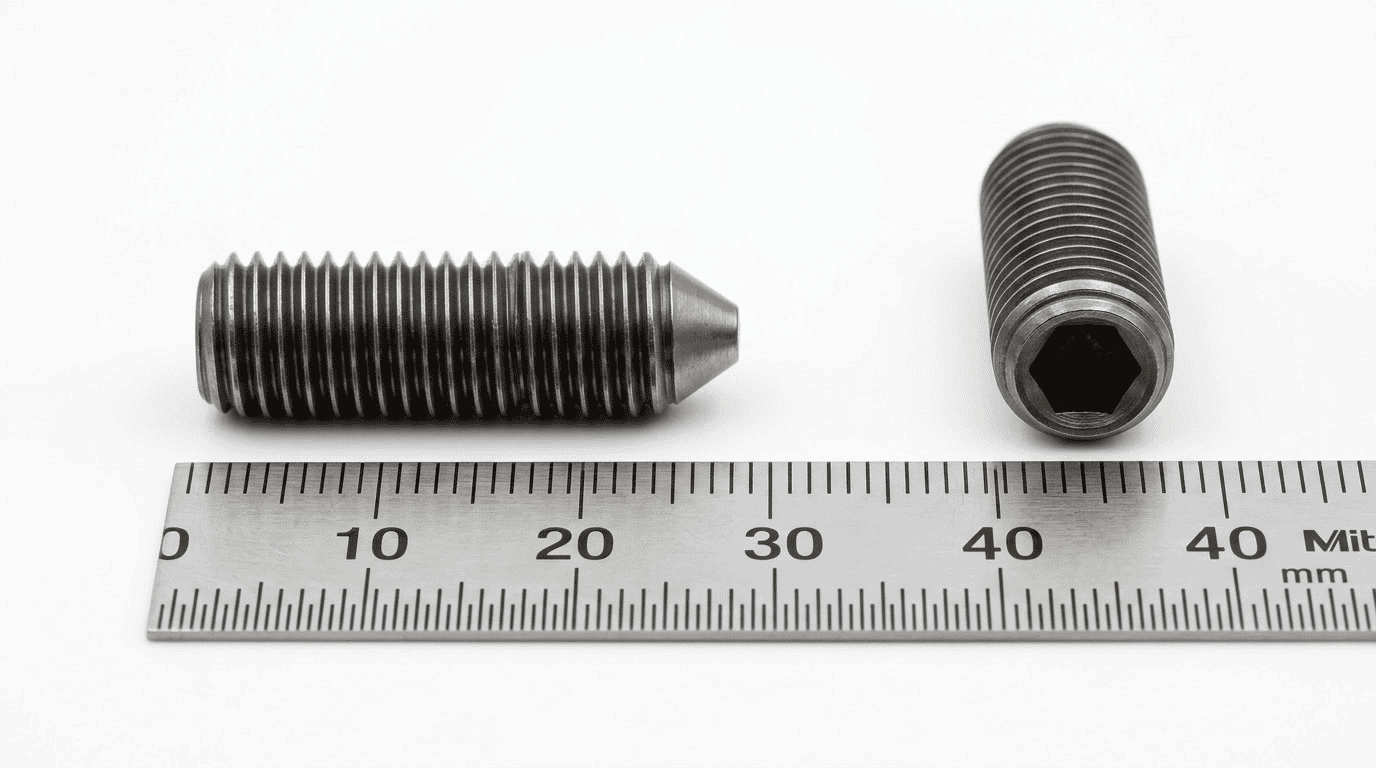
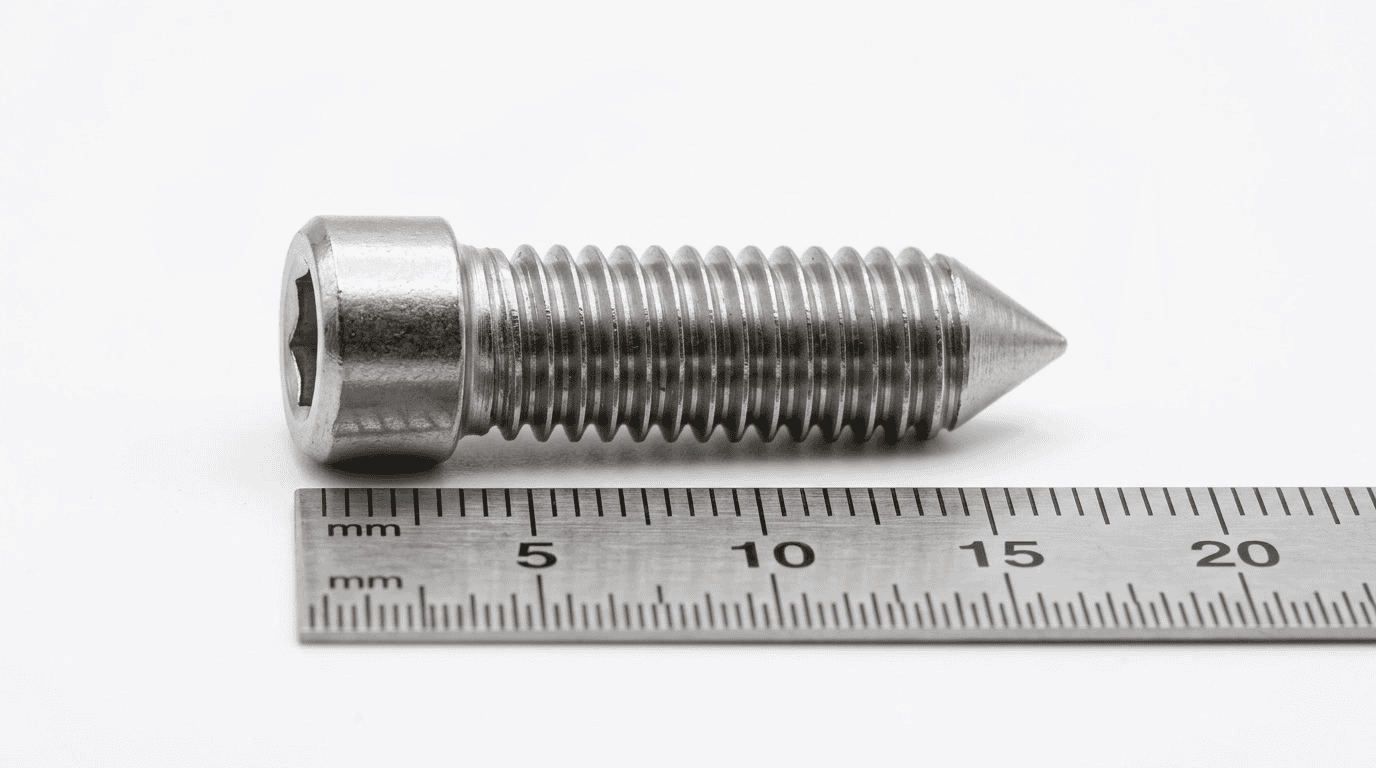
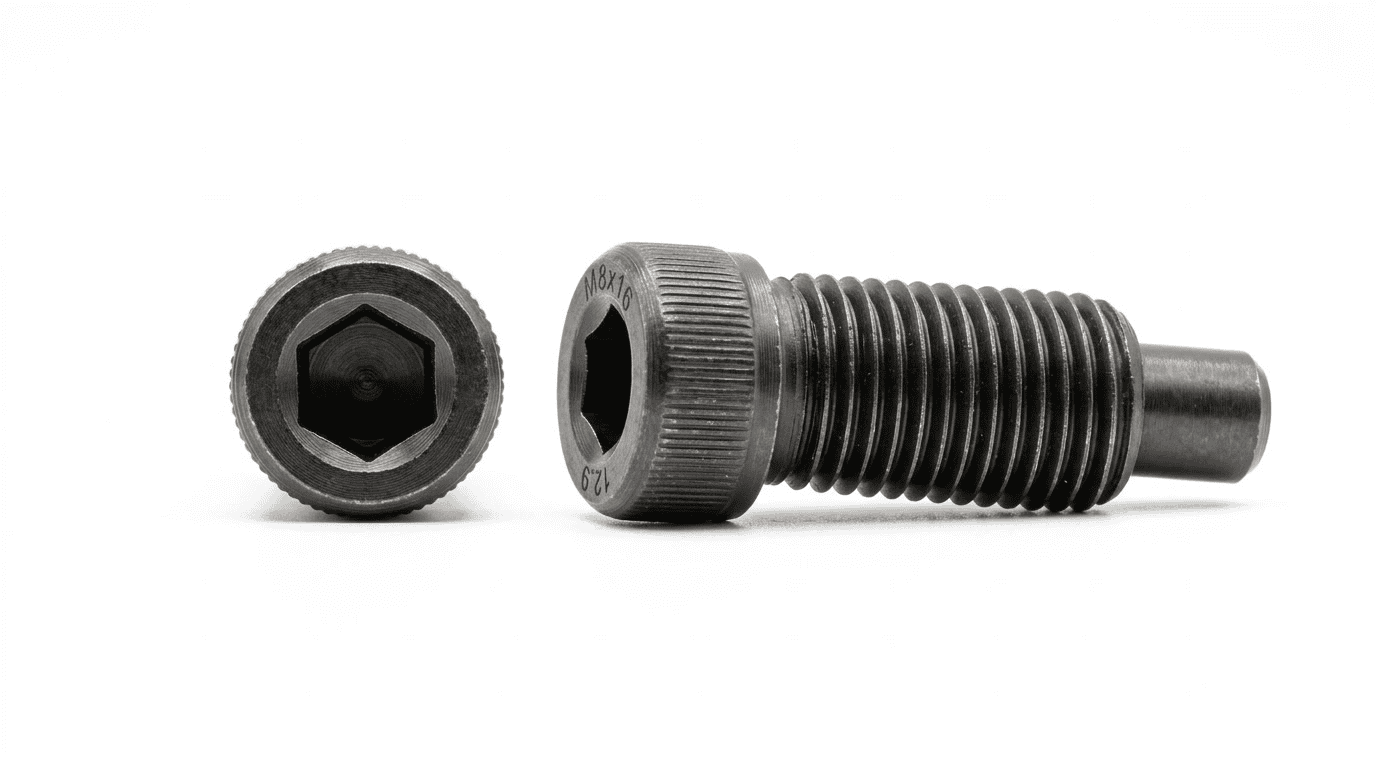
T-type screw
High-precision, high-strength fastening solutions designed for modular assemblies.
View product
We support OEM and industrial buyers with custom fastener solutions based on drawings, samples, materials, strength grades, surface treatments, and application requirements. From prototype testing to batch production, we help solve assembly, tolerance, anti-vibration, and corrosion-resistance challenges.
Our product range covers bolts, screws, threaded rods, nuts, washers, flange fasteners, carbon steel parts, stainless steel parts, automotive fasteners, electronic hardware, and 5G communication components. Whether you need DIN / ISO standard parts or non-standard customized hardware, we provide stable supply and flexible production support.
With integrated production, inspection, and technical support, we focus on dimensional accuracy, material consistency, surface quality, and long-term reliability. We help customers reduce sourcing risks, improve assembly efficiency, and secure dependable fastener supply for industrial, automotive, electronics, and equipment projects.
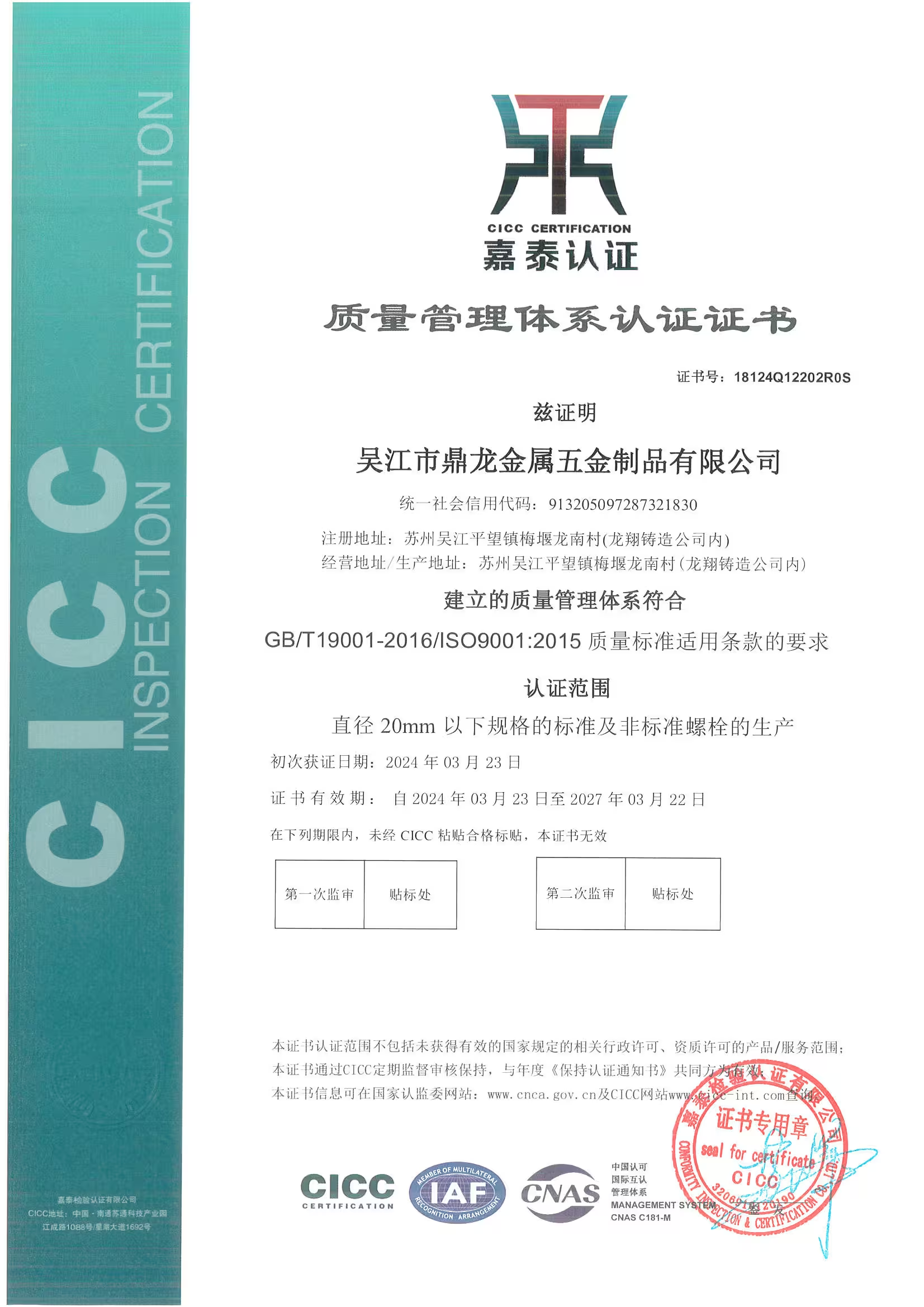
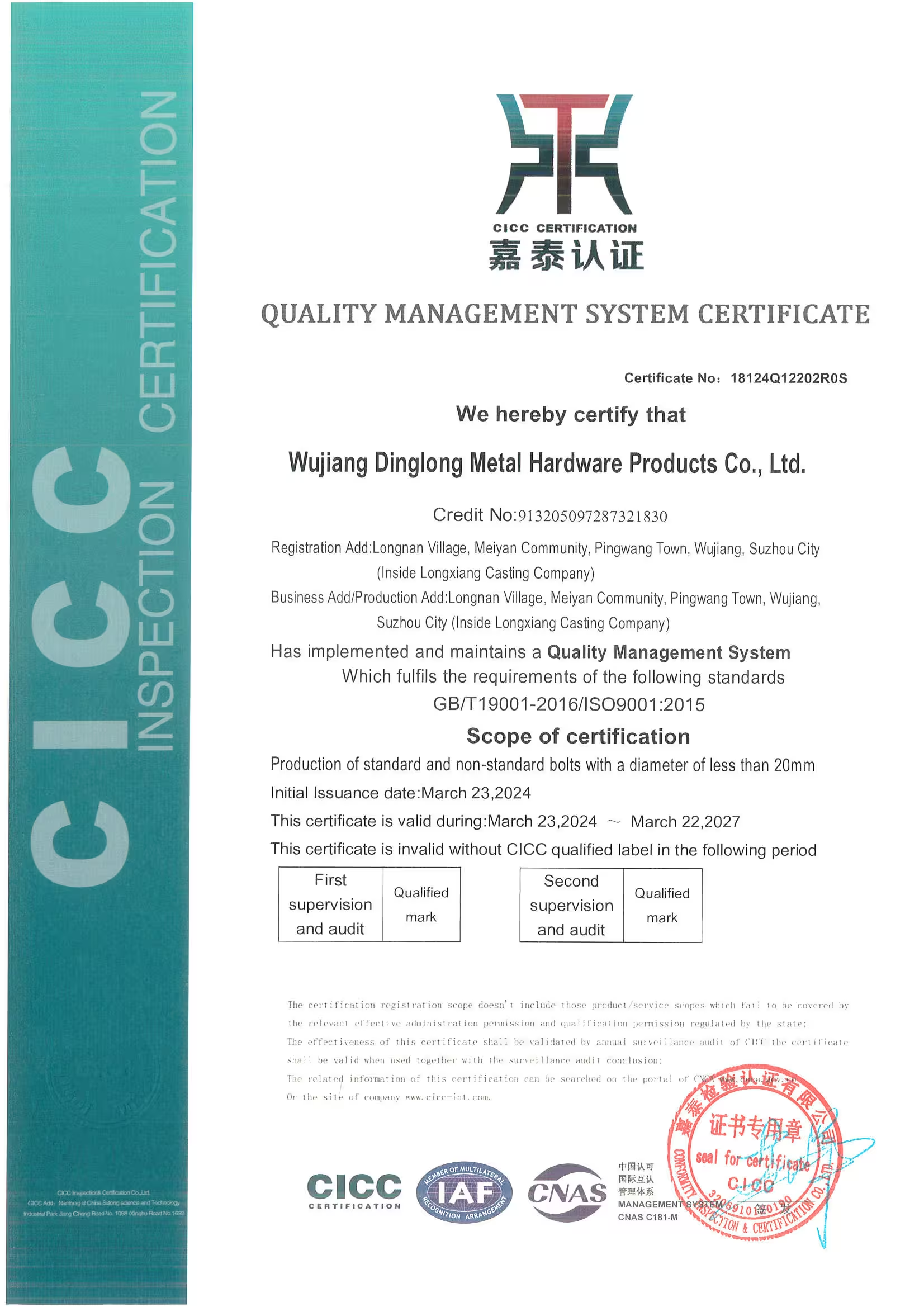
DingLong manufactures 10 core DIN/ISO fastener lines in M1.6–M30, Class 5.6 to 12.9, with IATF 16949-aligned process control and OEM lead times of 20–35 days.
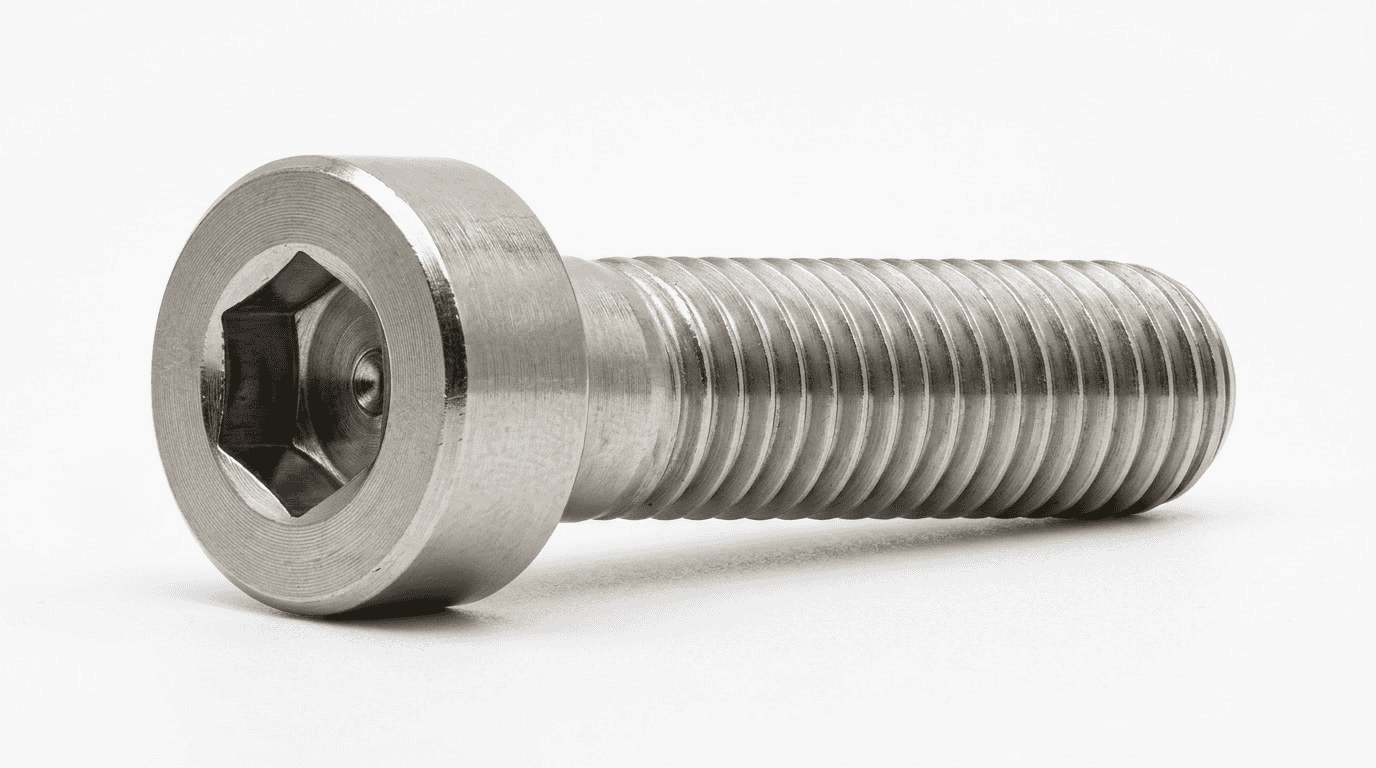
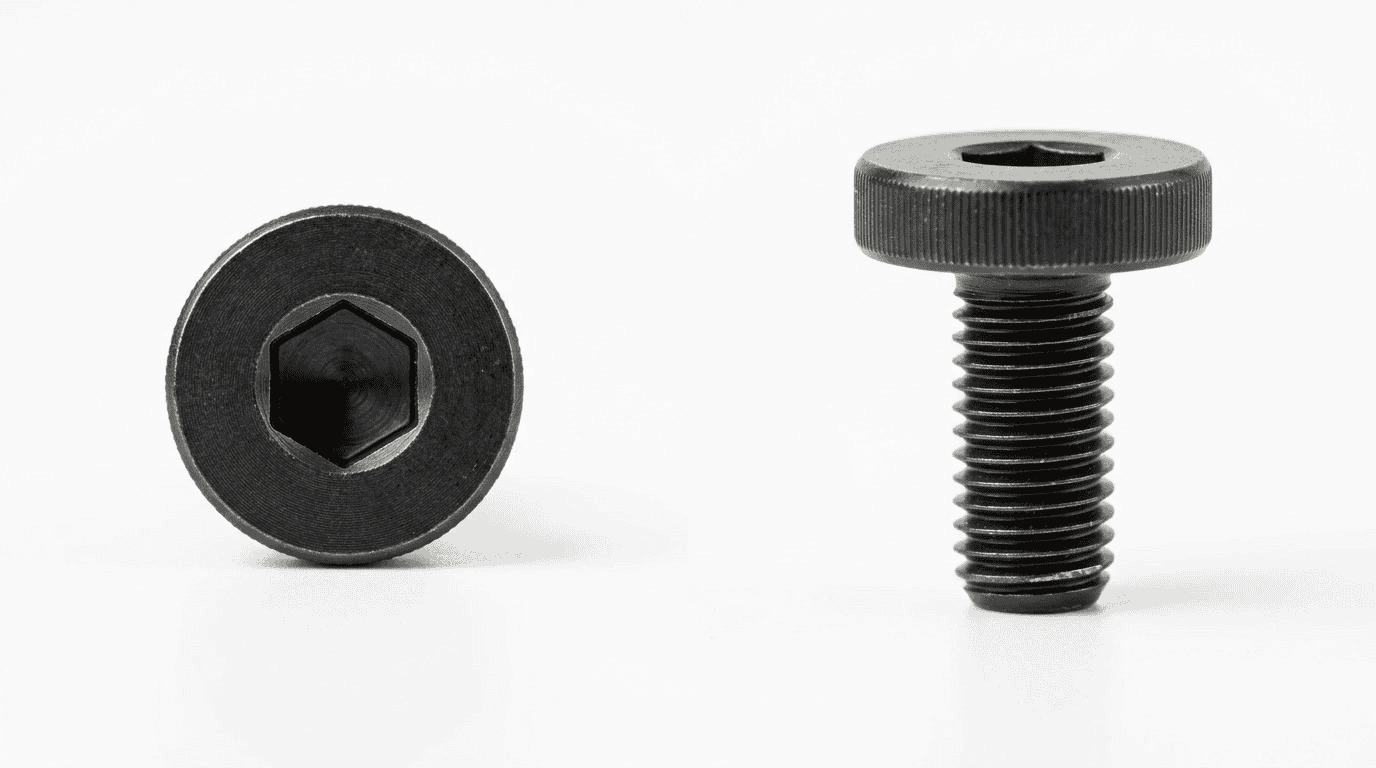
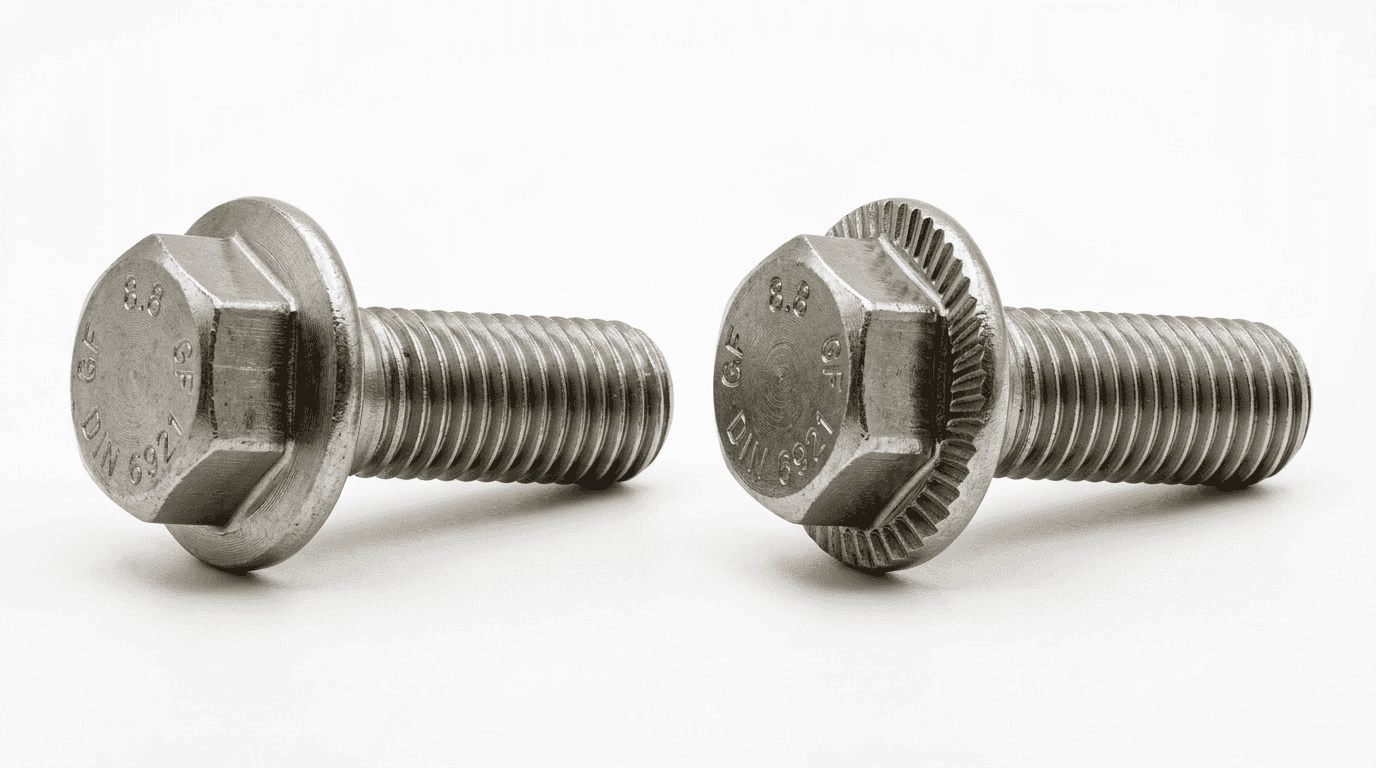
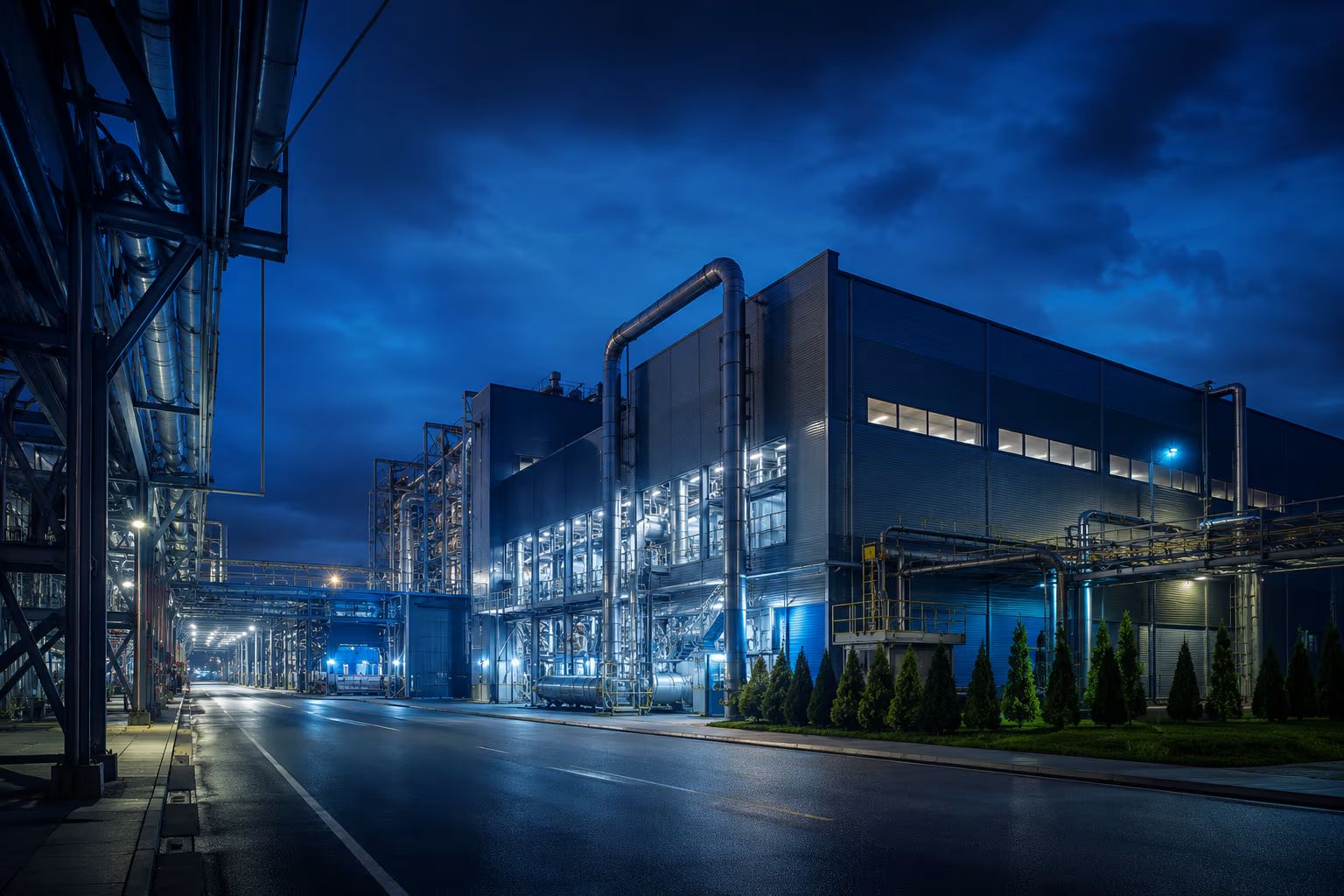
Wujiang DingLong Metal Hardware Products Co., Ltd. is located in Pingwang Town, Wujiang District of Suzhou City. Our company is a production-oriented enterprise integrating product development, production, and sales.
Our products mainly involve flanges, bolts, screws, standard hardware parts, auto parts, electronic fasteners, 5G communication products, etc.
We adhere to a philosophy of meticulousness, excellence, and sincere service, with a sustainable business approach. We aim to provide customers with the most precise and high-quality fastener products such as flanges, bolts, and screws, along with professional technical support.
We believe in win-win cooperation and are committed to establishing long-term strategic partnerships to achieve the best interests of both parties.
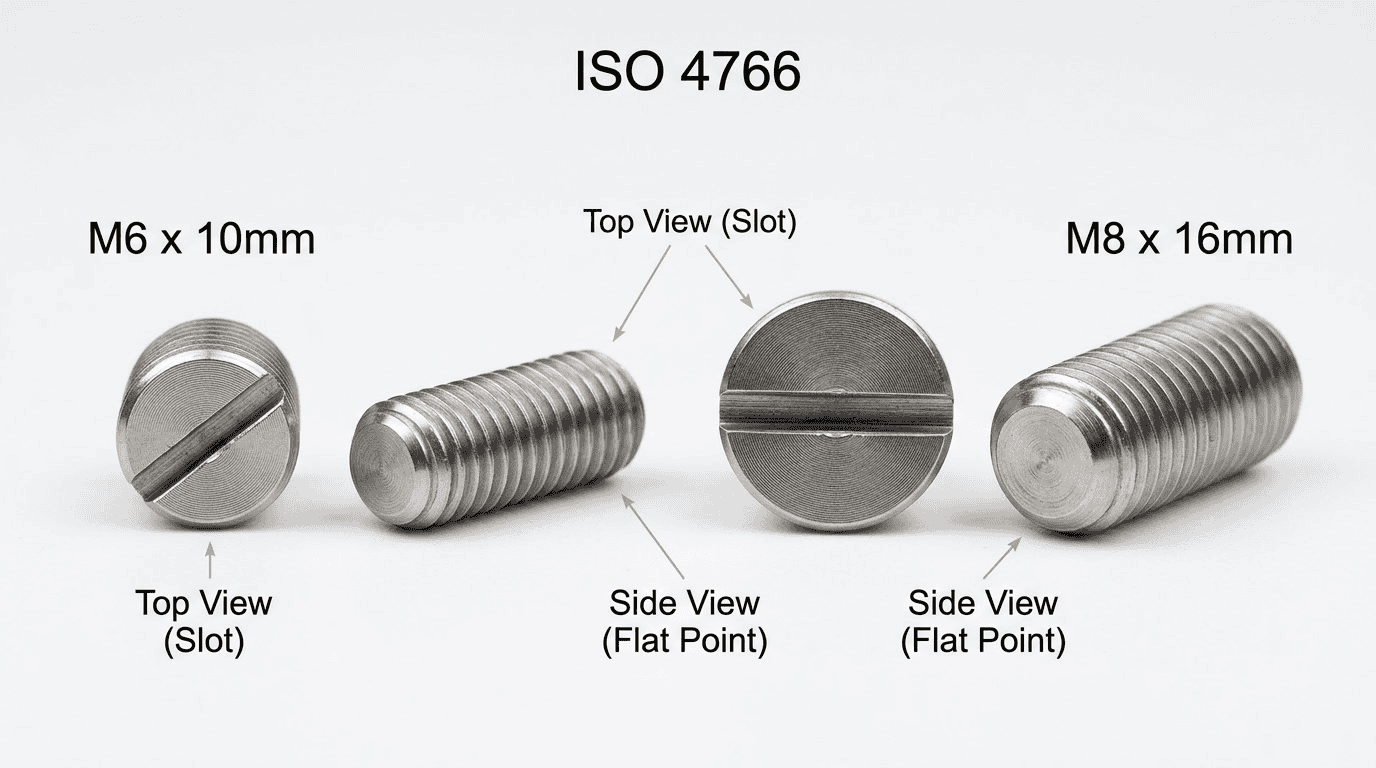
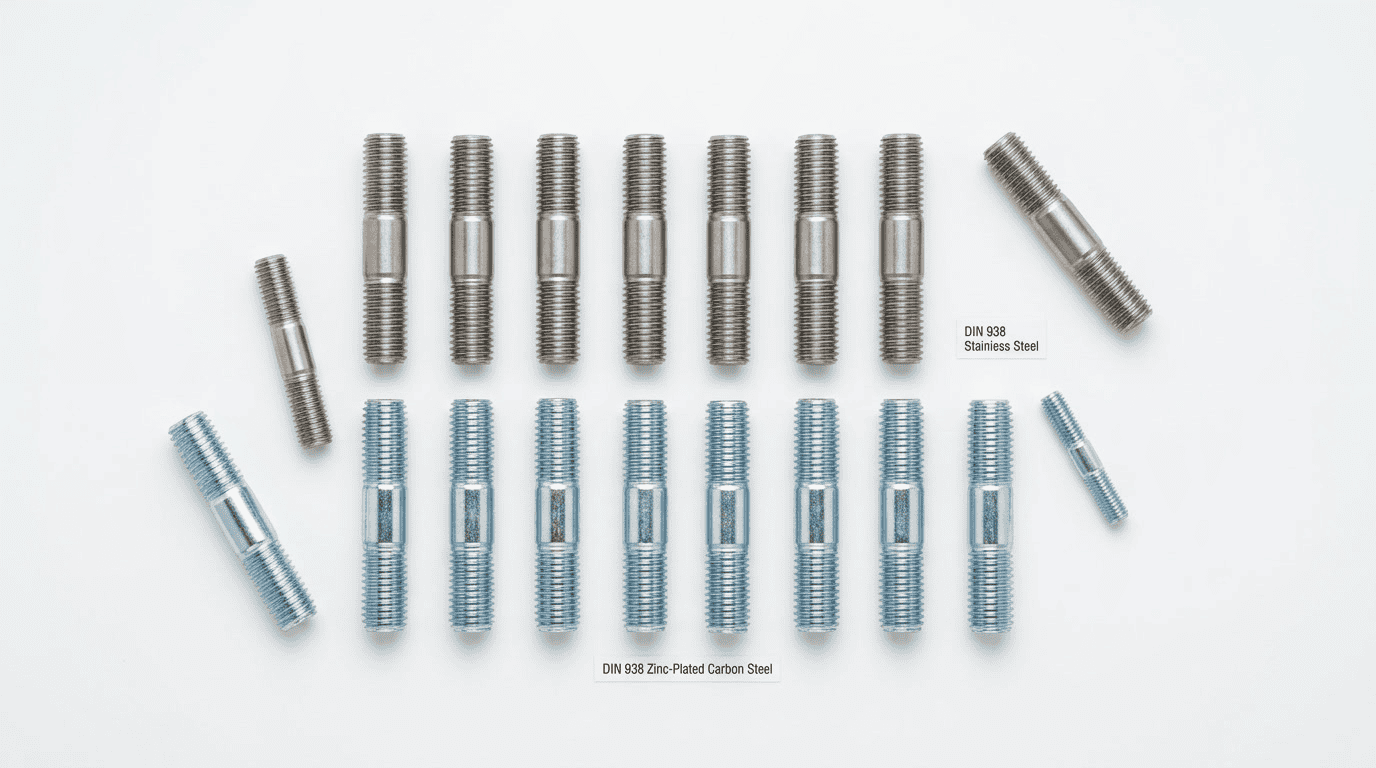
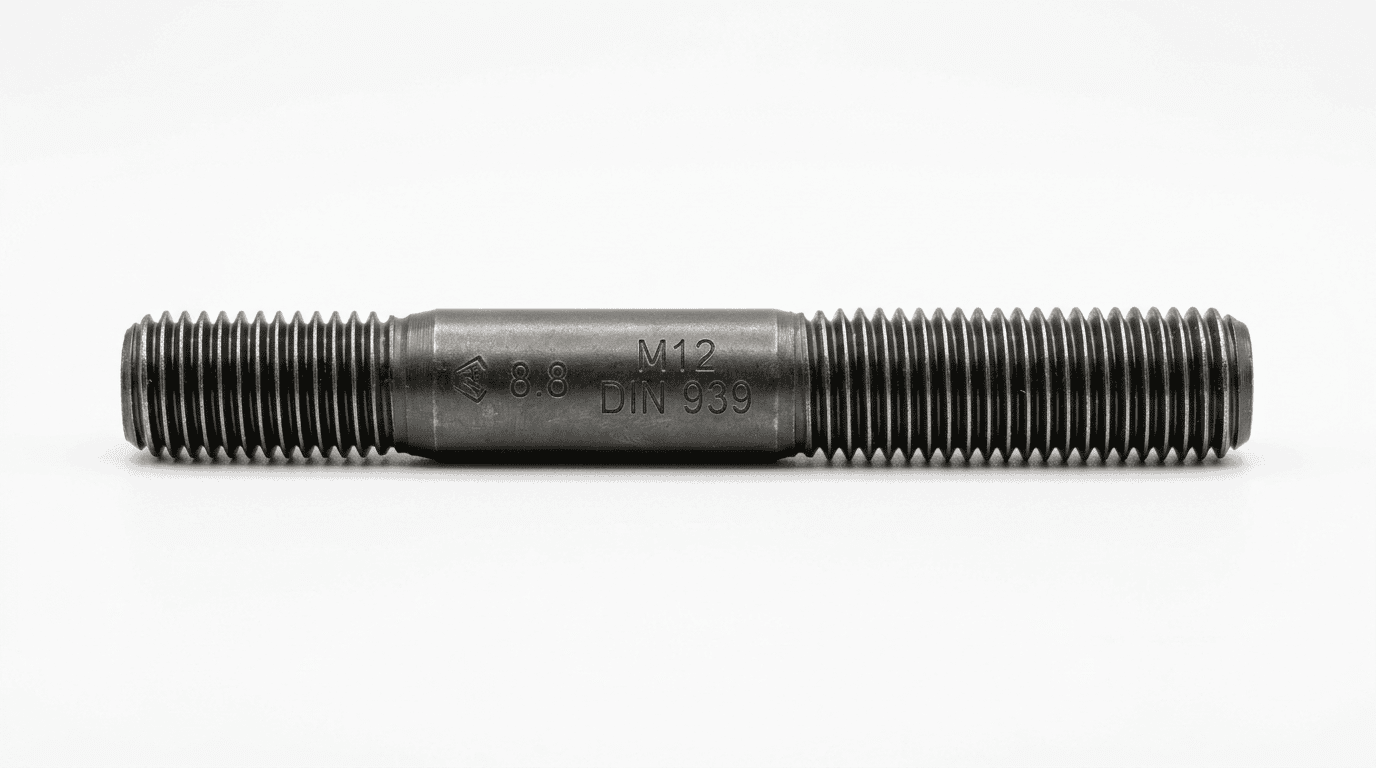
From Class 8.8 to 12.9 high-tensile bolts, cold-forged set screws and double-end stud bolts, every DingLong part is produced on automated forging and heat-treatment lines with full lot traceability, salt-spray testing, and torque-tension verification before it ships.
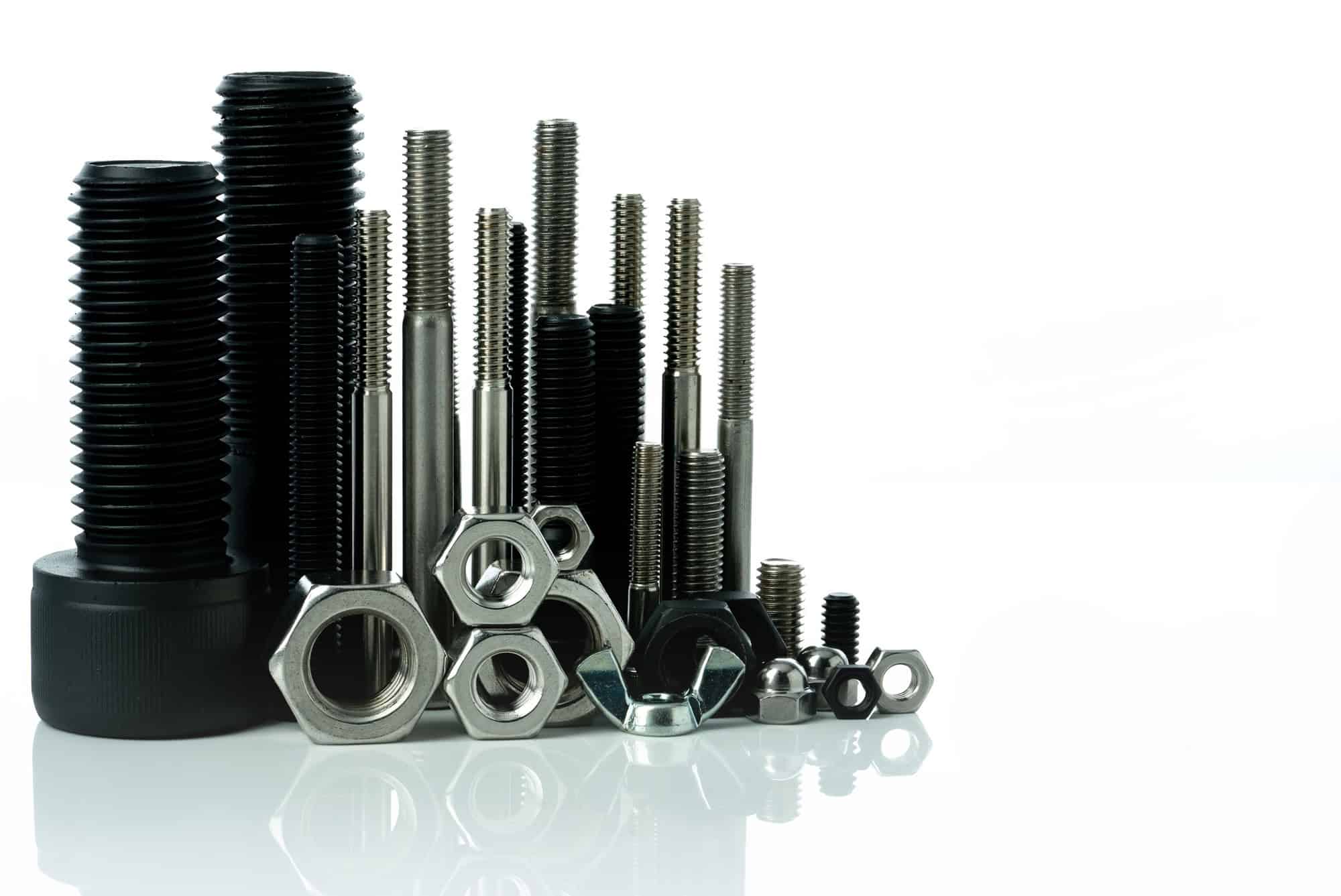
Drawing-based OEM production for non-standard flange bolts, socket screws and stud bolts. Material options include carbon steel (10B21, 35K, SCM435), stainless 304/316, and brass — with plating in zinc, Dacromet, black oxide, or Geomet. Typical lead time 20–35 days; MOQ from 5,000 pcs for custom dies.

Precision micro-fasteners and grounding screws for 5G base-station enclosures, antenna mounts and RRU brackets. Tight dimensional tolerances (±0.02 mm), nickel- or tin-plated for low contact resistance, and salt-spray-rated for 500+ hours of outdoor exposure.
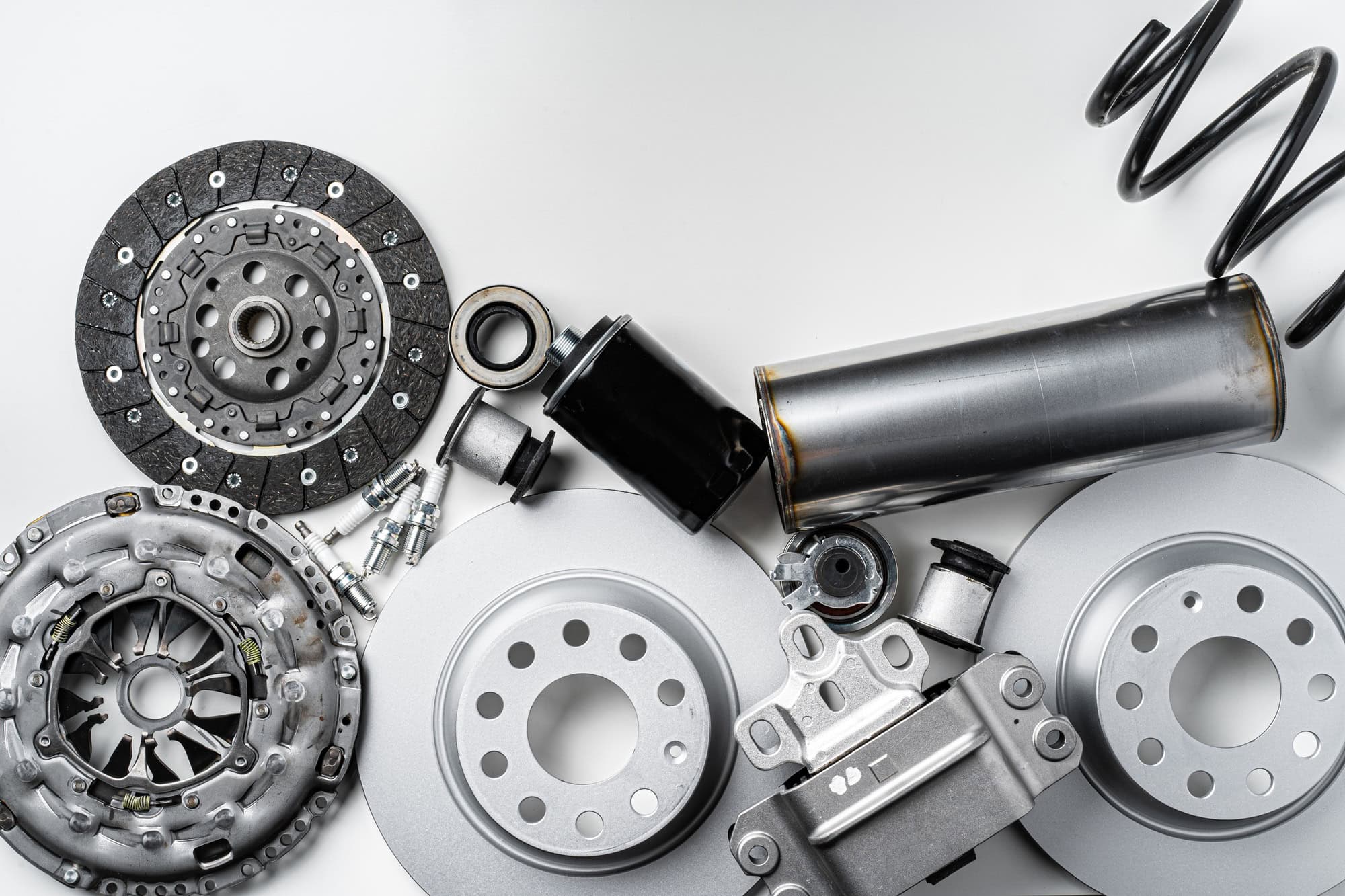
Hex flange bolts (DIN 6921), wheel bolts and engine-mount fasteners supplied to Tier-1 and Tier-2 automotive assemblers. IATF 16949-aligned process control, PPAP documentation on request, and proof-load testing per ISO 898-1 for every production lot.
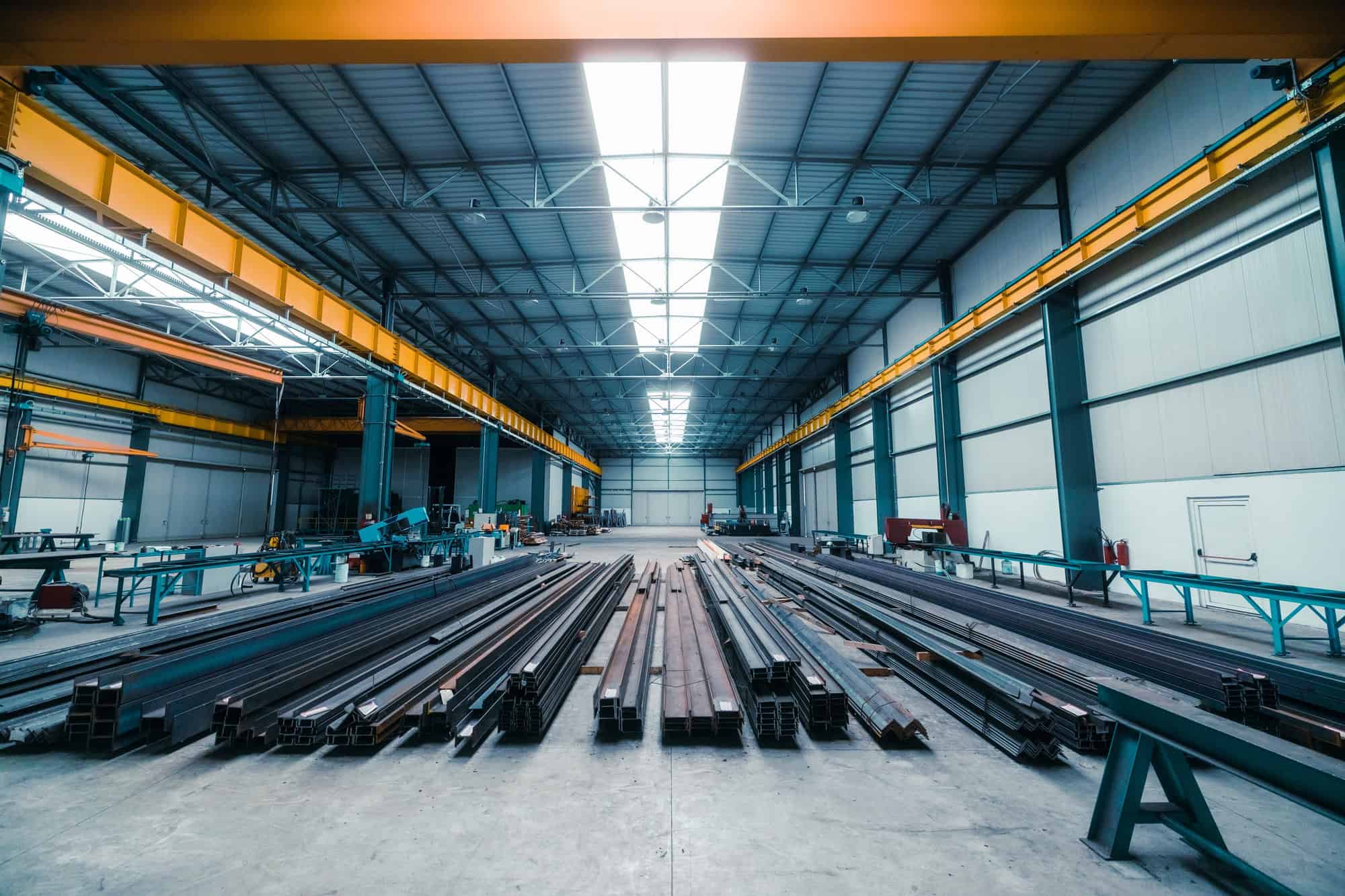
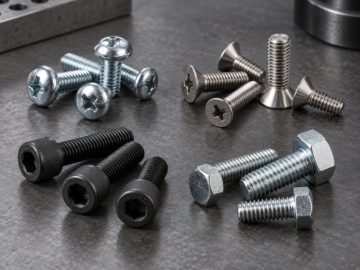
Stocked DIN/ISO catalogue covers hex bolts, socket cap screws, flange bolts, set screws, stud bolts, nuts and washers in M3–M30 across Class 8.8, 10.9 and 12.9. Custom heads, special threads and bespoke surface finishes are quoted from your drawing within 48 hours.
High-precision, high-strength fastening solutions designed for modular assemblies.
View product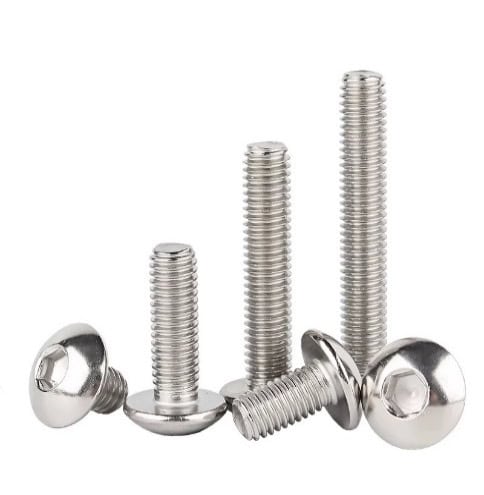
Widely used threaded fasteners for machinery, construction, equipment and daily assemblies.
View product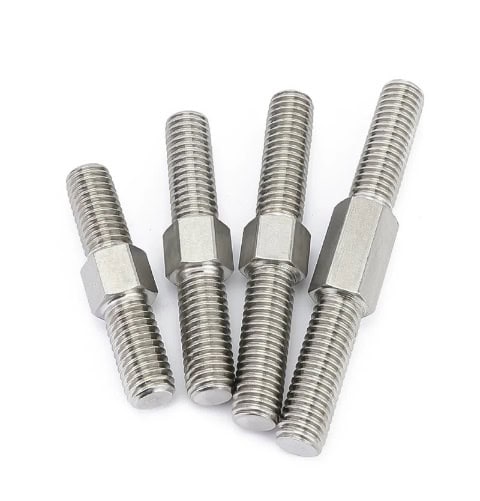
Fully threaded rods with heavy hex nuts, designed for flanged connections and heavy-duty fastening.
View product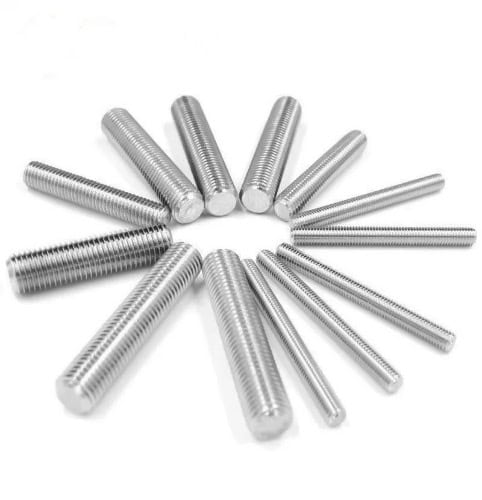
Continuous threaded rods for modular assemblies, anchoring, connection and adjustment systems.
View product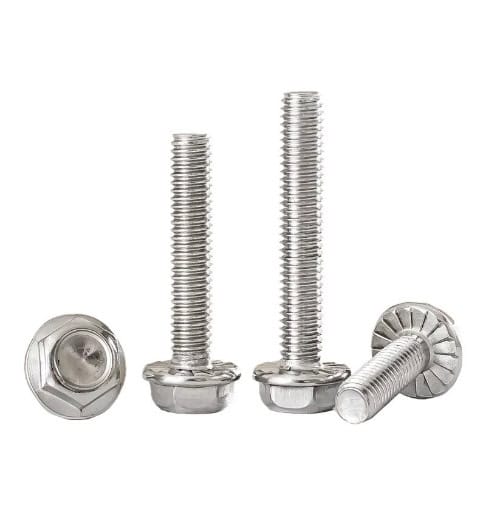
Hex flange fasteners with an integrated washer-style head for reliable load distribution.
View productIn high-frequency communication devices and compact electronic assemblies, tolerance and micro-fit matter. Wujiang Dinglong delivers precision electronic fasteners engineered to meet the exacting requirements of 5G base stations, antenna modules, and miniature enclosures. We support your R&D teams with rapid prototyping, small-batch production, and compliance with strict technical drawings.Value Delivered:Micro-size fasteners with ±0.01mm toleranceRoHS-compliant surface treatmentsAnti-vibration and EMI-safe solutions for signal integrity
From chassis components to engine bay brackets, the automotive industry demands reliable fastening under dynamic loads and extreme temperatures. Our carbon steel and alloy steel fasteners — including bolts, studs, and custom inserts — meet international automotive standards (DIN, ISO) and are optimized for structural integrity, fatigue resistance, and anti-corrosion.Value Delivered:IATF 16949-aligned production managementSalt spray–tested anti-rust coatingsSupport for new energy vehicles and lightweight assemblies
Machinery and factory equipment require heavy-duty fasteners capable of withstanding vibration, load shifts, and high torque installations. We offer a full catalog of hex bolts, expansion screws, and threaded rods, with support for OEM customization and technical drawing compliance. From gear housings to steel base mounts, our products deliver both strength and consistency.Value Delivered:High-strength carbon steel (8.8 / 10.9 grade)Customized thread lengths and non-standard headsSurface protection options for humid or high-wear environments
Whether you need standard DIN parts or custom-designed components, Dinglong’s flexible production and logistics infrastructure supports long-term cooperation. With experience serving Europe, Southeast Asia, and the Americas, we offer batch traceability, custom packaging, and multilingual support — making us an ideal supply partner for global B2B buyers.Value Delivered:Stable export capacity and flexible MOQFull technical drawing support and private-label packagingDedicated team for quotation, tracking, and after-sales
Client Reviews
High-speed rail & 5G infrastructure partners across Europe, East Asia and Southeast Asia
Answers to the most common questions from B2B buyers in Germany, Malaysia, Thailand, Vietnam and Indonesia — compiled by the productionscrews.com team.
Industrial fasteners fall into six main categories: Hex Bolts, Socket Cap Screws, Self-Tapping Screws, Stud Bolts, Nuts, and Washers. Each serves a distinct mechanical purpose, and selecting the wrong type is one of the most common — and costly — sourcing mistakes we see.
Strength grades for carbon steel run 4.8 / 8.8 / 10.9 / 12.9; stainless steel equivalents are A2-70 and A4-80. Grade 12.9 bolts carry a minimum tensile strength of 1,220 MPa — nearly three times that of a standard 4.8 bolt (420 MPa). The right grade depends on load requirements, operating temperature, and corrosion environment, not simply ‘the highest available.’
China is the world’s largest fastener producer, exporting over 3 million metric tons in 2023. Manufacturing is concentrated in Zhejiang (Jiaxing, Haiyan), Shanghai, and Tianjin — regions with fully integrated cold-heading, threading, heat-treatment, and surface-finishing supply chains under one roof.
Compared with equivalent European-made DIN fasteners, all-in procurement costs are typically 30–55% lower. Standard lead times run 7–15 days versus 4–8 weeks from European mills. That said, supplier selection matters enormously. Key checkpoints: valid ISO 9001:2015 certification, in-house or CNAS-accredited lab testing (hardness, tensile, salt spray), and a track record of cooperating with SGS or Bureau Veritas third-party inspection. For German buyers specifically, prioritise factories that can issue a DIN EN 10204 Type 3.1 material test certificate in German.
A precise RFQ (Request for Quotation) requires the following details upfront — missing any of these adds at least 24–48 hours to the quoting process:
① Product specification: standard reference (e.g. DIN 933), size (M8×30), strength grade (8.8), material (carbon steel / stainless);
② Surface finish: zinc plating type (blue-white / yellow / Dacromet), hot-dip galvanizing, black oxide, etc.;
③ Order quantity: per-shipment volume and annual total — both directly affect unit pricing;
④ Target port and trade terms: FOB / CIF / DAP;
⑤ Quality documentation requirements: MTC, SGS inspection, CE declaration, IATF 16949 compliance.
Submit your enquiry via productionscrews.com and the team typically returns a FOB price and lead-time confirmation within 24 hours.
Lead times and MOQs vary significantly by product type:
• Standard DIN/ISO stock items: MOQ 1,000–5,000 pcs; ex-stock 3–7 days, made-to-order 7–15 days;
• Semi-standard items (common spec, non-stock): MOQ 5,000–20,000 pcs; production 15–25 days;
• Custom non-standard parts (tooled from drawing): MOQ from 10,000 pcs; tooling + production 30–45 days; first-article sample approval required;
• Large-diameter / heavy-hex (M30 and above): priced per metric ton, MOQ approx. 1 MT, lead time 25–35 days.
Rush orders are available at a premium of roughly 8–15%. All lead times are calculated from receipt of deposit and confirmed drawings.
Yes — but only with the right supplier and a proper verification process. DIN standards specify tight tolerances on dimensions, mechanical properties (tensile strength, yield strength, impact toughness), coating thickness, and head marking requirements. These are non-negotiable for CE-marked structural assemblies.
A qualified Chinese supplier should be able to: issue a DIN EN 10204 Type 3.1 material certificate; demonstrate full traceability of raw material heat numbers; produce bolts with legible head markings (grade + manufacturer code); and provide test reports from a CNAS-accredited laboratory.
For first-time orders, we strongly recommend commissioning independent third-party testing (SGS or TÜV) covering Vickers hardness, tensile strength, and wedge load tests. Confirm the data against DIN tolerances before scaling volume. The upfront cost is modest; the risk of getting this wrong is not.