 English
  German
  Spanish
  Portuguese
  French
  Japanese
  Arabic
  Korean
  Vietnamese
  Russian
 Security Torx Screws: Types, Sizes, Bits, and Buying Guide
Direct answer: Security Torx screws are six-lobe screws with a central pin in the drive recess. That pin blocks a regular Torx bit, so installation and removal require a matching hollow security Torx bit. The design is tamper-resistant rather than tamper-proof: it discourages casual access, but a prepared service team can use the correct tool. A reliable order should identify the head style, thread size, length, drive size, material, finish, quantity, and any drawing or inspection requirement.
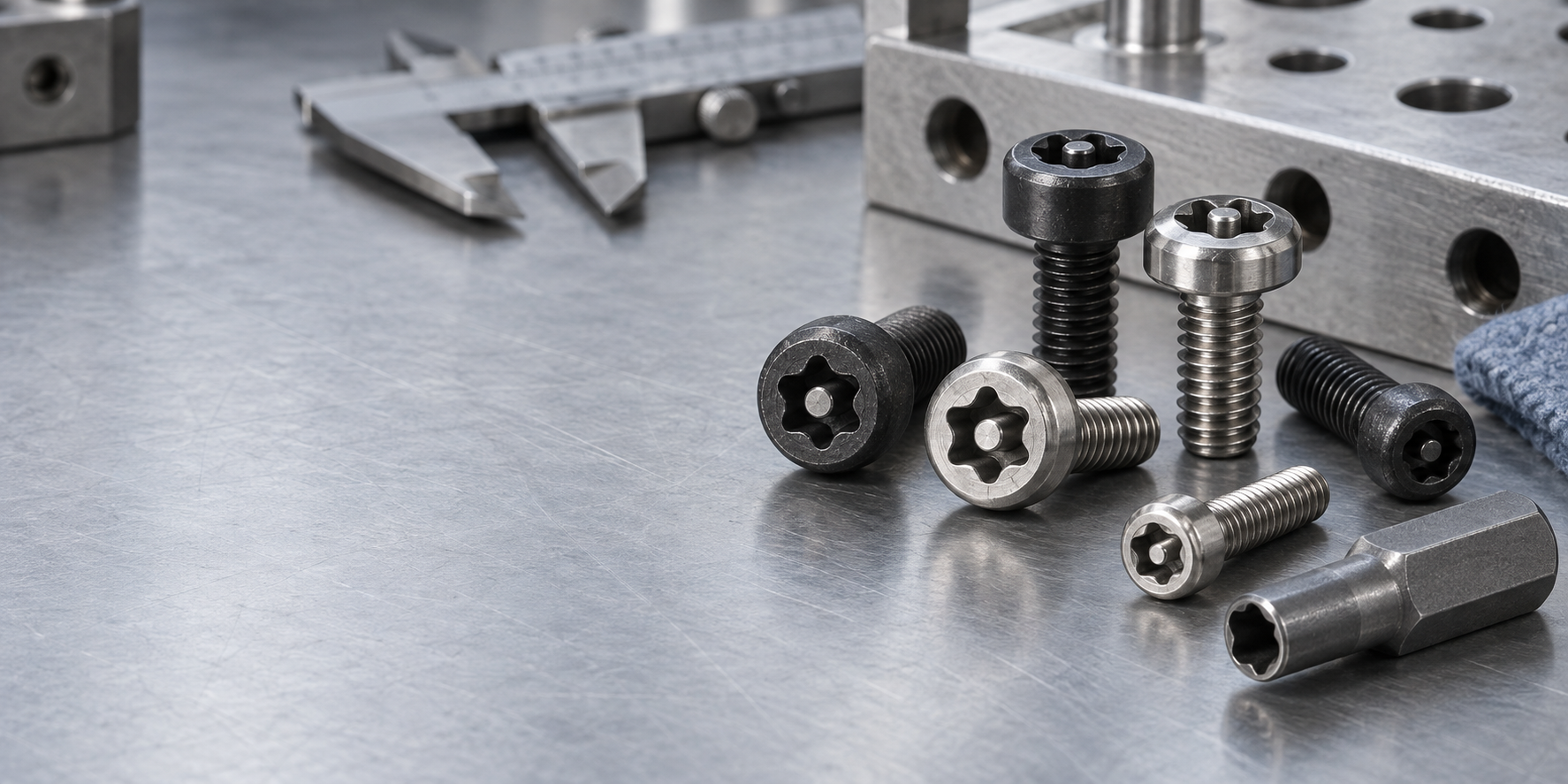
Buyers often search for security Torx screws when a panel, enclosure, fixture, or machine guard needs a six-lobe drive with controlled access. The hard part is not recognizing the star shape. It is matching the pin-in drive to the correct bit while keeping the screw’s thread, head, material, finish, and service requirements separate. This guide follows that decision from identification through a drawing-based quote request.
What are security Torx screws and how does the pin-in drive work?
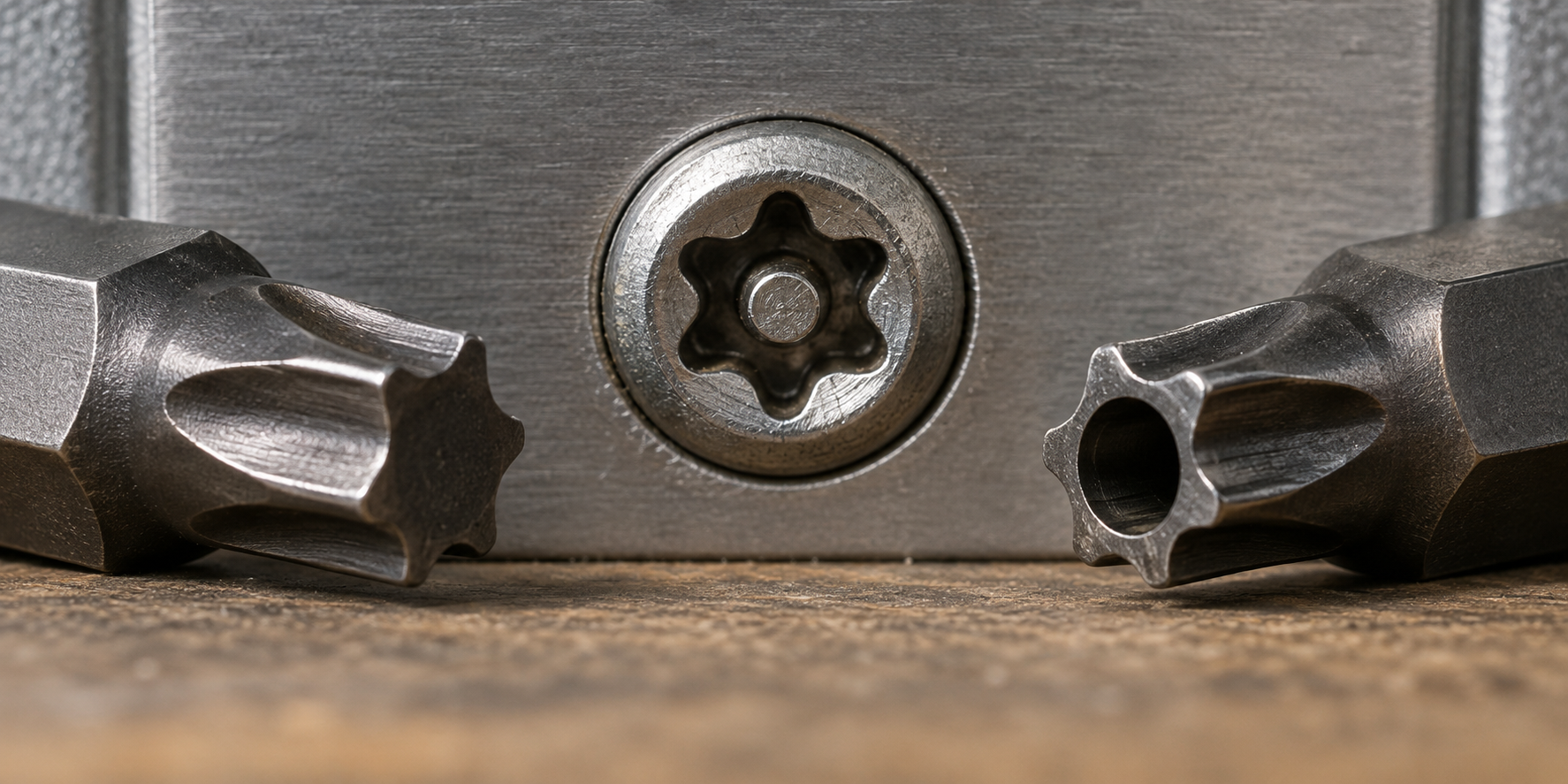
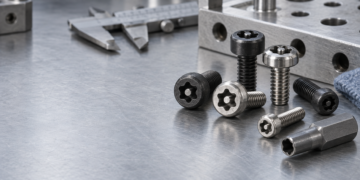
A security Torx screw, also called a tamper-resistant Torx screw or pin-in Torx screw, uses a six-lobe internal drive with a center post set inside its recessed socket. The correct security bit has the same six-lobe profile plus a hole through its working end. The hollow bit passes over the post and transfers torque through the lobes.
That central post changes the access requirement, not the basic purpose of the threaded fastener. The screw still creates clamp load or holds a cover, bracket, panel, or fitting in place according to the joint design. The pin is an access feature. It does not by itself define the screw’s strength, corrosion resistance, thread system, or suitability for a safety-critical joint.
Use the phrase tamper-resistant with care. A person without the matching tool may be unable to remove the fastener, while a maintenance team with a security Torx bit set can service it. If the site needs stronger control, combine the drive choice with restricted tool distribution, service records, physical guarding, or a different retention concept. The fastener alone is not a security certification.
The existing security screw guide covers the wider family of restricted-access drives. This page focuses on the six-lobe pin-in subtype and the specification details that decide whether it will fit the assembly.
Security Torx screw anatomy and dimensions to record

Before ordering a replacement or custom part, identify the features that control fit and service. A photograph of the head is useful, but it cannot replace a drawing or a measured sample.
| Feature | What to record | Why it matters |
|---|---|---|
| Drive recess | Six-lobe security drive, pin position, recess depth, and any special drive form. | Determines whether the bit can enter and whether torque is carried evenly. |
| Drive size | The specified security Torx size, such as a supplier-confirmed T-size. | Controls bit engagement. It cannot be safely inferred from thread diameter. |
| Head style | Button, pan, countersunk flat, low-profile, or another defined head form. | Sets exposed height, seating surface, clearance, and appearance. |
| Thread | Metric or inch system, nominal diameter, pitch or threads per inch, and thread length. | Controls mating fit and clamp position. |
| Overall length | Measurement reference, such as under-head length or another drawing-defined length. | Prevents a visually similar screw from bottoming out or failing to engage. |
| Material and finish | Material grade, property class if required, coating or passivation, and service environment. | Controls corrosion, wear, galling, appearance, and compatibility with the assembly. |
Do not describe a screw only as “security Torx, 20 mm.” That phrase may identify the general drive and length while leaving the thread, head, material, finish, and drive size unresolved. For a replacement, send a head-up photo, a side photo, a sample if available, and the mating hole or tapped-hole drawing.
Security Torx vs regular Torx, hex, one-way, and two-hole drives
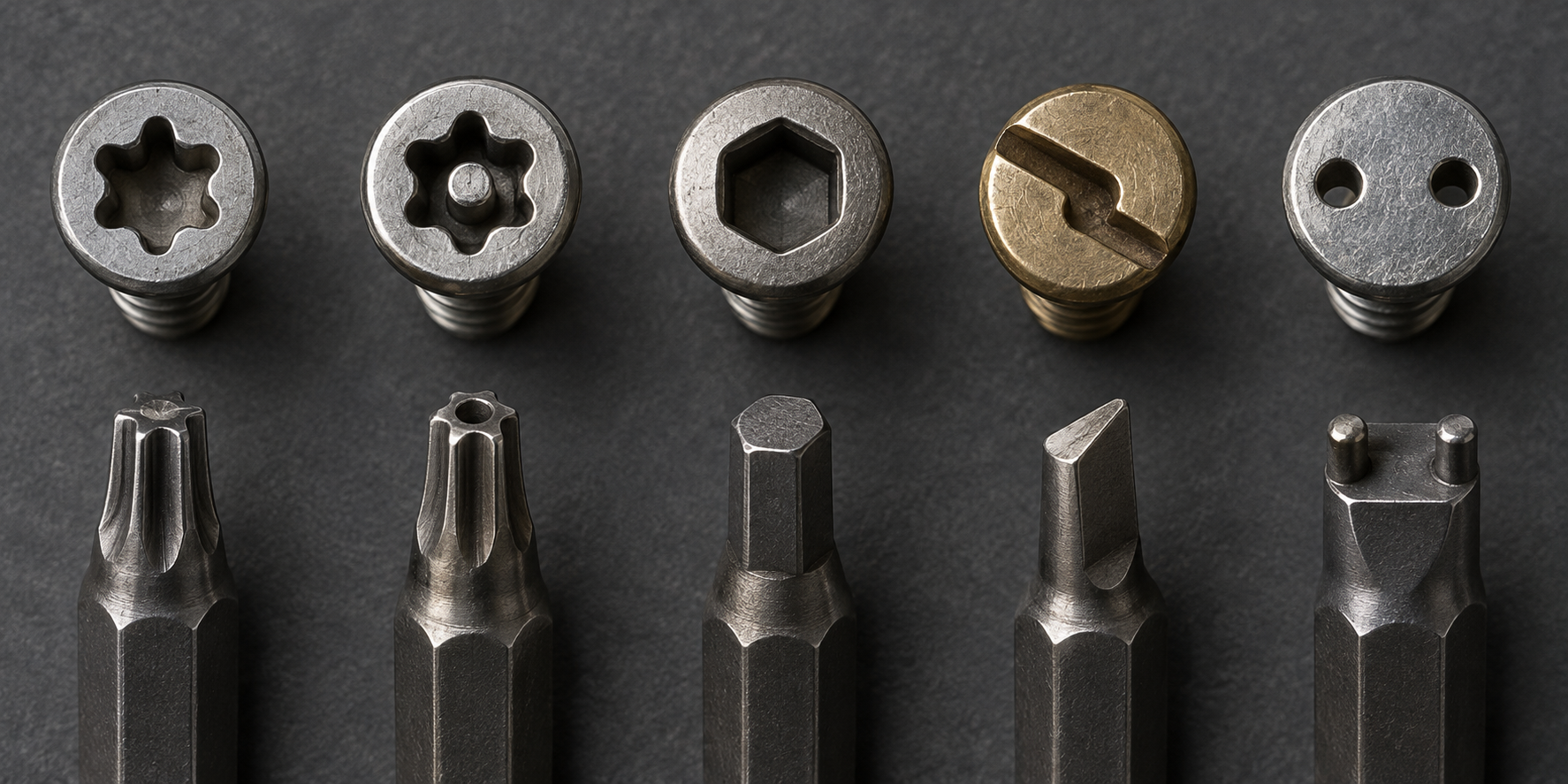
Several restricted-access screws are described as security screws in catalogs. Their recesses are not interchangeable. Selecting by the word “security” can send the wrong bit to the assembly and damage the head.
| Drive type | Visible feature | Typical selection implication |
|---|---|---|
| Regular Torx or six-lobe | Six lobes with an open center. | Uses a solid matching bit. It does not pass over a security pin. |
| Security Torx | Six lobes with a central pin. | Uses a hollow security Torx bit with the correct size and access length. |
| Hex socket | Six straight internal flats. | Uses a hex key or hex bit. A hex tool is not a substitute for a six-lobe bit. |
| One-way drive | Asymmetric ramped recess. | Often selected for difficult removal after installation. Service planning should happen before assembly. |
| Two-hole or spanner drive | Two separate round holes. | Uses a two-pin driver with a matching spacing. It is a different geometry from pin-in Torx. |
A security Torx screw is a good fit when the project needs ordinary machine or sheet-metal fastening with a less accessible drive and a planned service path. It is a poor fit when installers cannot obtain the bit, when the head will be exposed to severe impact without torque control, or when the assembly needs a different level of physical restriction. Compare the drive, tool, head clearance, and maintenance process as one system.
Head styles and screw forms to specify
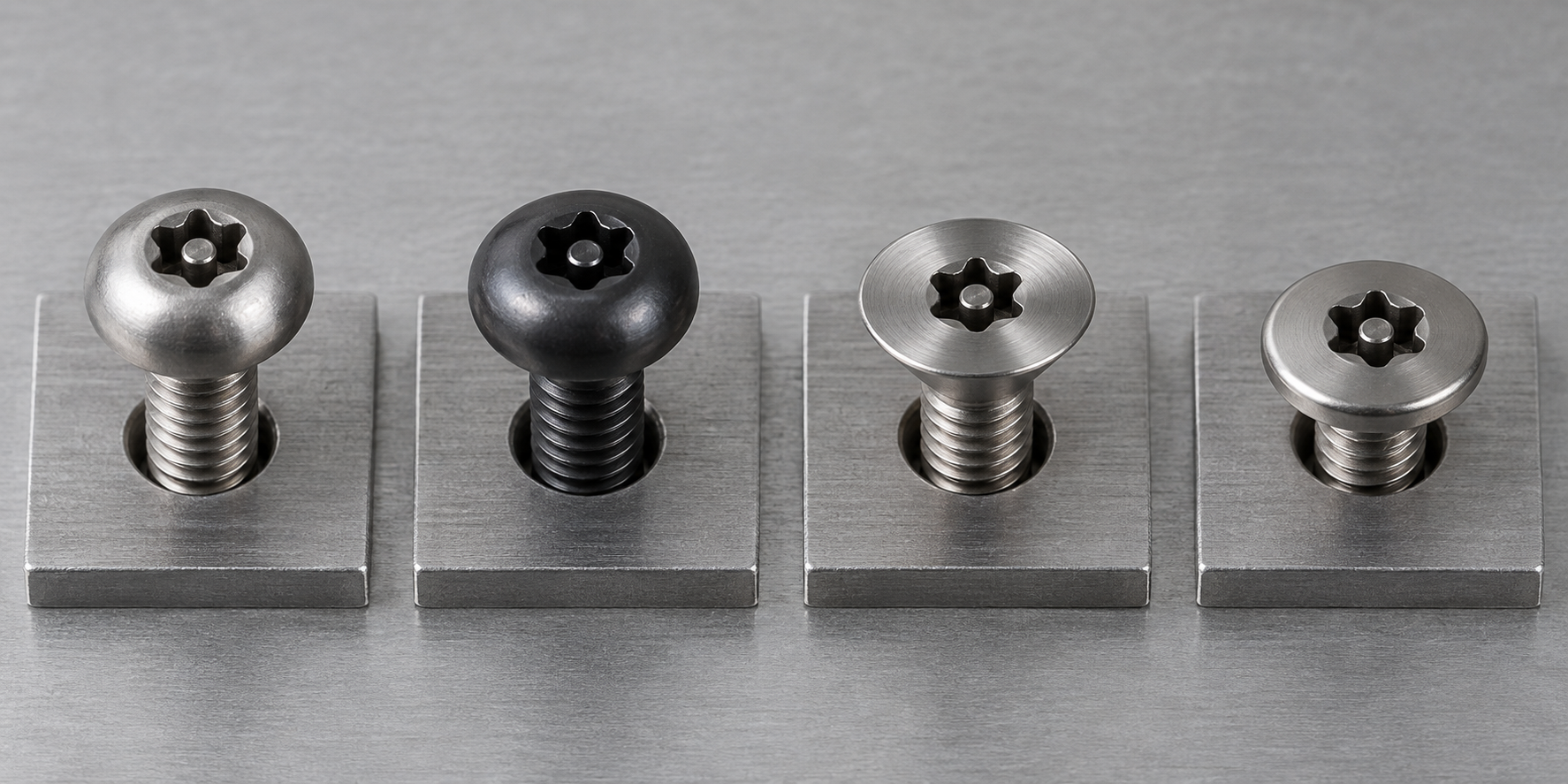
The pin-in drive can be combined with more than one head form. The choice depends on the panel, mating material, clearance, and the desired surface position. A product category may show several forms, but the exact head height and under-head geometry still need confirmation.
- Button head: a rounded, low-projection head that provides a broad visible bearing surface. Confirm the head diameter and clearance around the lobes.
- Pan head: a traditional raised head for many panel and machine-screw applications. Confirm the underside and head height against the mating surface.
- Countersunk flat head: seats into a prepared countersink so the top can sit near flush. The countersink angle, depth, and material thickness must match the drawing.
- Low-profile or specialty head: useful where exposed height is limited, but the reduced head section can change tool access and load transfer. Require a supplier drawing.
Commercial fastener listings commonly separate button, flat, pan, machine-screw, and sheet-metal security forms. For example, the AFT security Torx listing presents several product forms and reinforces the need for a matching drive bit. Treat that page as category context. It does not confirm the stock, material, or delivery of any specific requirement for this site.
Security Torx sizes: thread dimensions and drive sizes are different
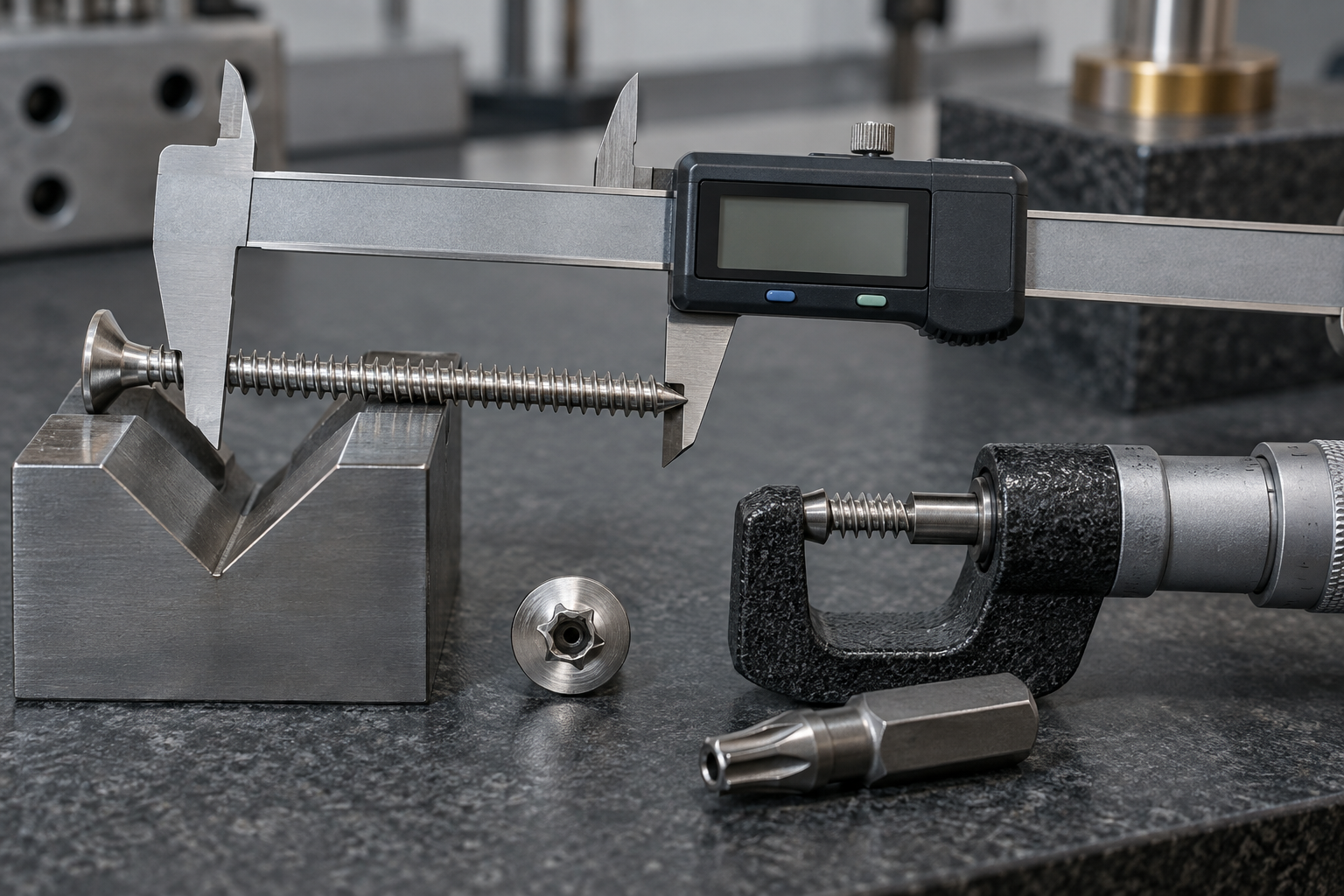
“Security Torx size” can refer to the drive size or the threaded screw size. They must be recorded separately. A screw can have a small thread with a relatively large drive, or a larger thread with a drive chosen for head clearance and torque. There is no universal thread-to-drive conversion that replaces a product drawing.
- Measure the threaded diameter. Identify the nominal metric diameter or inch diameter from the drawing or mating thread, not from the outside of the head.
- Confirm pitch or threads per inch. A similar diameter with a different pitch will not create the intended fit.
- Confirm length from the correct reference. Flat or countersunk heads are often measured differently from raised heads. Use the drawing convention.
- Identify the drive size. Use the original supplier code, a controlled gauge, or a sample bit that fully seats over the pin without wobble.
- Check recess depth and pin clearance. A bit can have the correct apparent size but still bottom on the central pin or fail to reach the lobes.
- Check tool access. A deep enclosure, narrow pocket, or angled panel may require a longer bit, a blade, or a low-profile holder.
Do not force a larger bit into a smaller recess or use a regular bit to test a security drive. A poor fit rounds the lobes, damages the central pin, and makes later removal harder. If the original size is unknown, document the recess, pin diameter, and depth for supplier review rather than guessing from a mixed bit set.
Standards and product references for security Torx screws
Standards should be used as a controlled reference, not as a shortcut around the drawing. The drive geometry, screw head, thread, material, finish, and pin-in modification may be covered by different requirements.
- Drive feature: ISO 10664 specifies the hexalobular internal driving feature for bolts and screws, including basic dimensions and a gauging method. The official scope describes it as an inspection reference, not a complete manufacturing standard.
- Pan head product reference: ISO 14583 covers hexalobular socket pan head screws in product grade A, with metric thread sizes shown from M2 through M10 on the official page. Confirm separately whether the required security pin and any material or finish are included in the purchase specification.
- Countersunk flat head product reference: ISO 14581 covers hexalobular socket countersunk flat head screws and notes reduced loadability for the countersunk form. It lists metric coarse threads from M2 through M10 in steel and stainless steel. Verify the countersink, head height, and pin-in requirement for the actual assembly.
Do not state that every pin-in security Torx screw automatically conforms to one standard. Put the exact standard, revision if controlled by the customer, head form, thread, material, finish, and drive requirement on the drawing or purchase order. If a security variant changes the recess or pin geometry, ask the supplier to confirm how the security feature relates to the referenced product standard.
How to choose the right security Torx bit
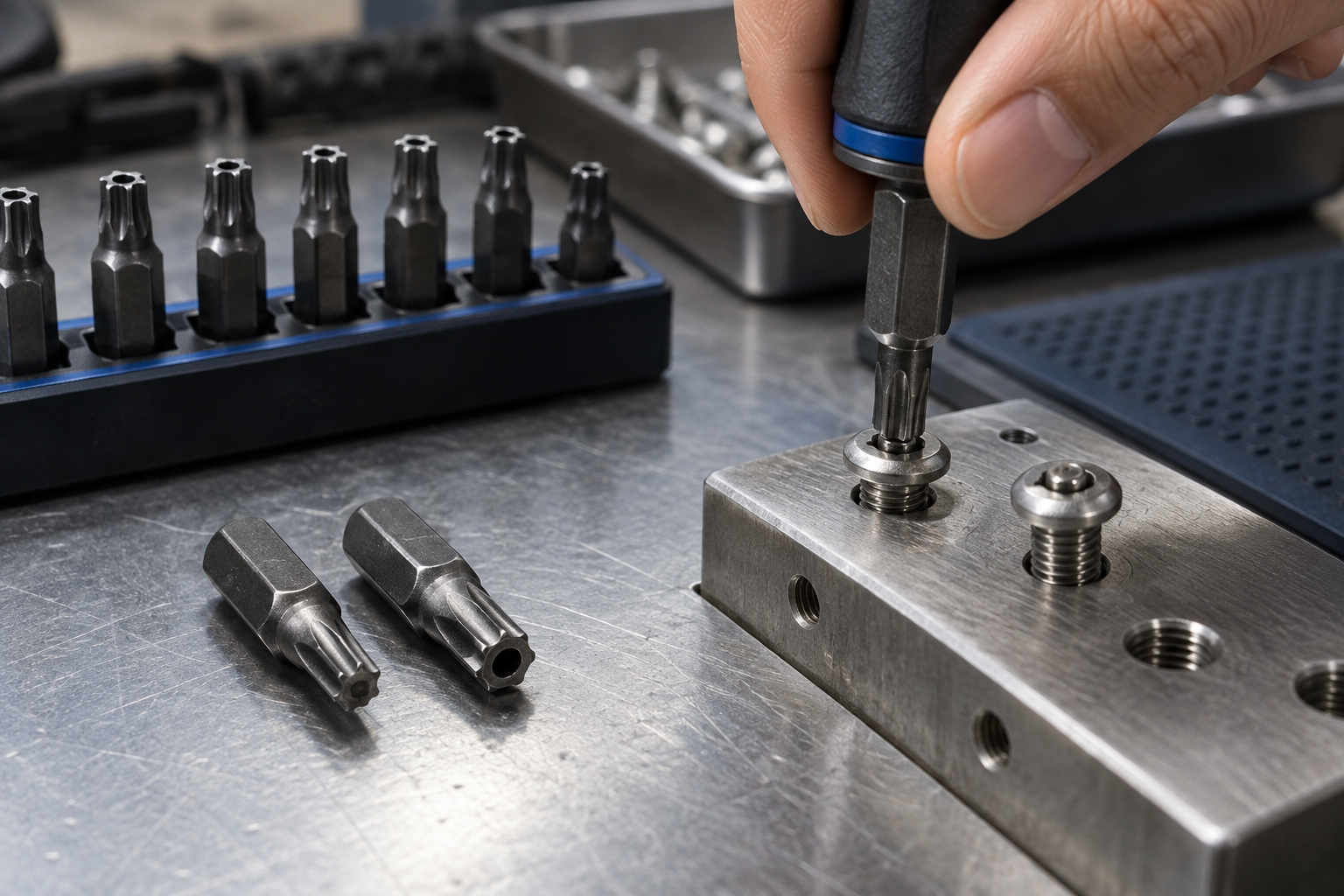
A security Torx bit must satisfy three conditions at once: its center hole clears the screw pin, its lobes match the recess, and its length and holder fit the access path. A solid regular bit can look close in a photograph and still be unusable.
- Match the bit’s six-lobe size to the screw’s specified drive size.
- Check that the hollow center is large and deep enough to pass over the pin without bottoming.
- Seat the bit fully before applying torque. The lobes should contact along their working faces.
- Choose a blade, socket bit, or holder that reaches the recess squarely and leaves hand clearance.
- Use a controlled driver when the joint has a specified torque. Do not treat the security feature as a reason to omit torque control.
The site’s security bits guide gives broader tool-selection context, while the security screwdriver guide is useful when the application needs a hand tool rather than a machine driver. In a B2B order, specify whether the bit is supplied with the screws, retained by the installer, or required as a separate service item.
Applications and the limits of tamper resistance
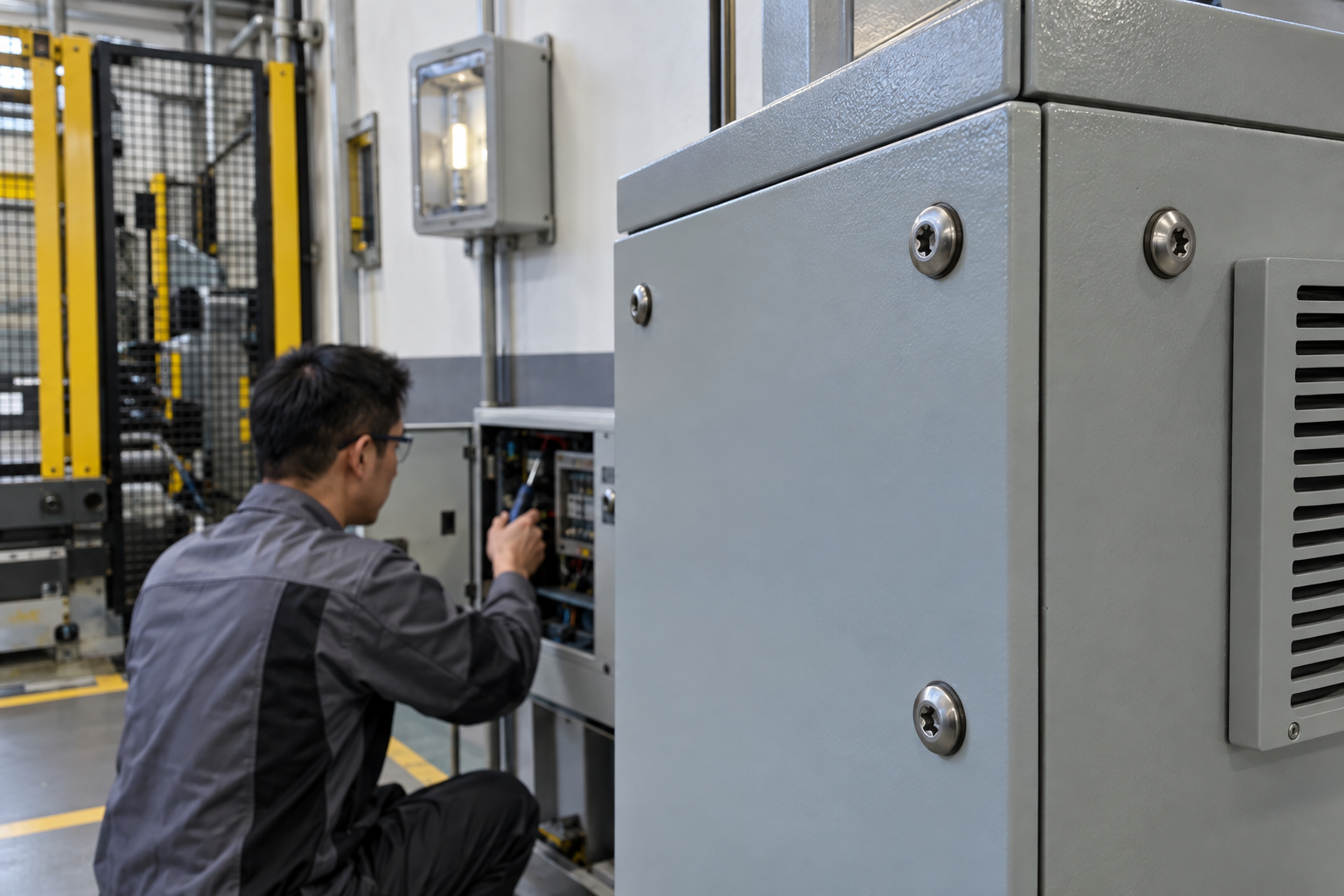
Security Torx screws can suit applications where casual access is undesirable but authorized maintenance still needs a removable joint. Examples include equipment service panels, electrical enclosures, public-facing fixtures, signs, HVAC covers, electronics housings, and machinery guards. The correct use depends on the joint, the environment, and the maintenance plan.
Use the drive as one layer of access control. It can slow unprepared removal and make unauthorized access less convenient. It does not stop a determined person with the correct bit, a substitute tool, or access to the whole assembly. If the risk includes deliberate attack, combine the screw with physical guarding, controlled tools, tamper evidence, or a design review. Do not promise “tamper proof” performance when the requirement only supports deterrence.
Installation, torque control, and removal planning
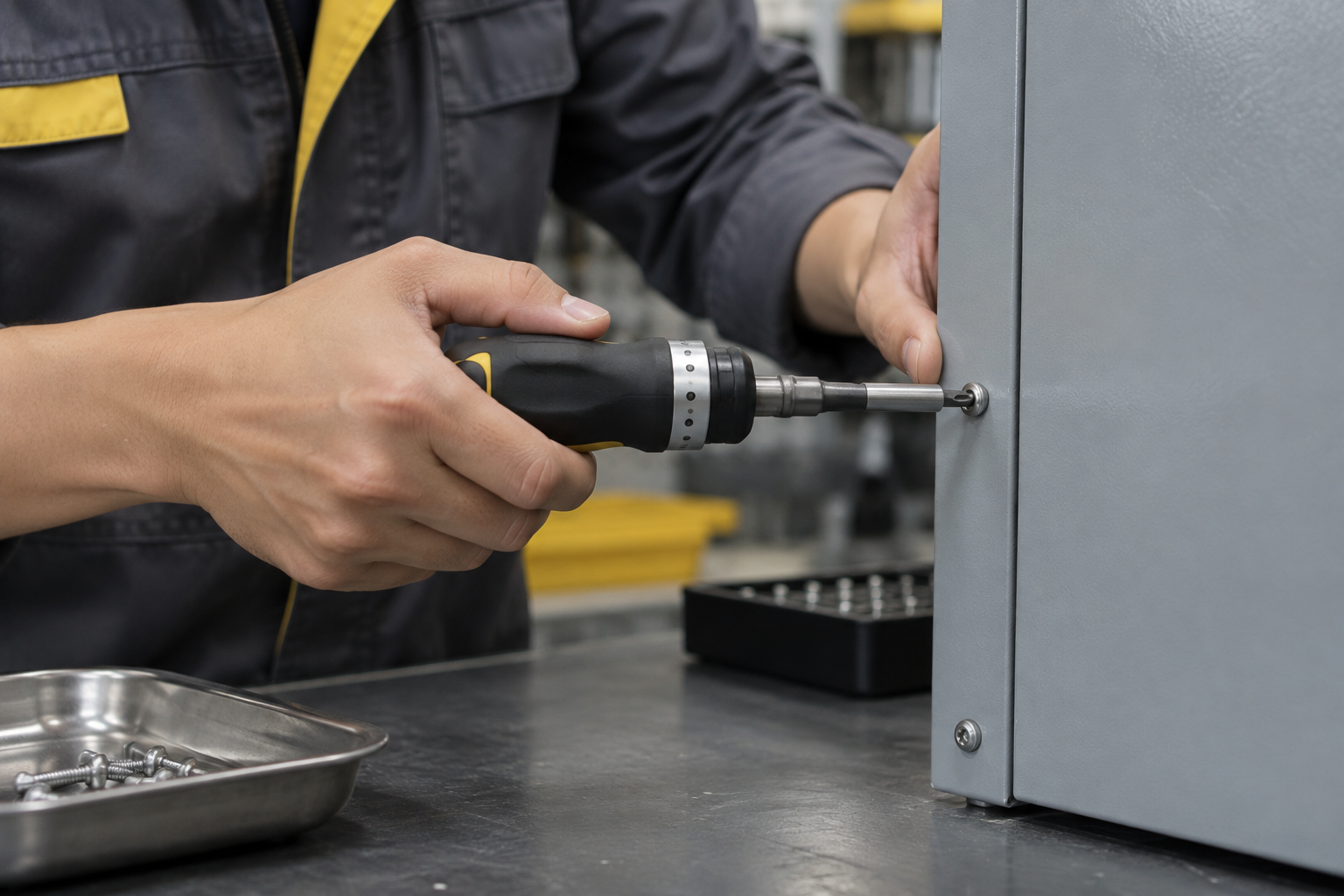
Use the assembly drawing and the fastener specification first. The following sequence is a practical installation check:
- Clean the tapped hole, clearance hole, or panel surface. Remove chips, loose coating, and burrs that could hold the head off the seat.
- Confirm the screw length, thread, head style, and bit before starting the driver.
- Start the screw by hand or at low speed so the thread enters squarely. Stop if it cross-threads or bottoms earlier than expected.
- Seat the hollow security bit fully over the central pin. Keep the driver aligned with the screw axis.
- Apply the specified torque or tightening procedure. The correct torque depends on the screw, material, lubrication, joint, and design requirement.
- Inspect the head for full seating, damaged lobes, a bent or sheared pin, and interference with adjacent parts.
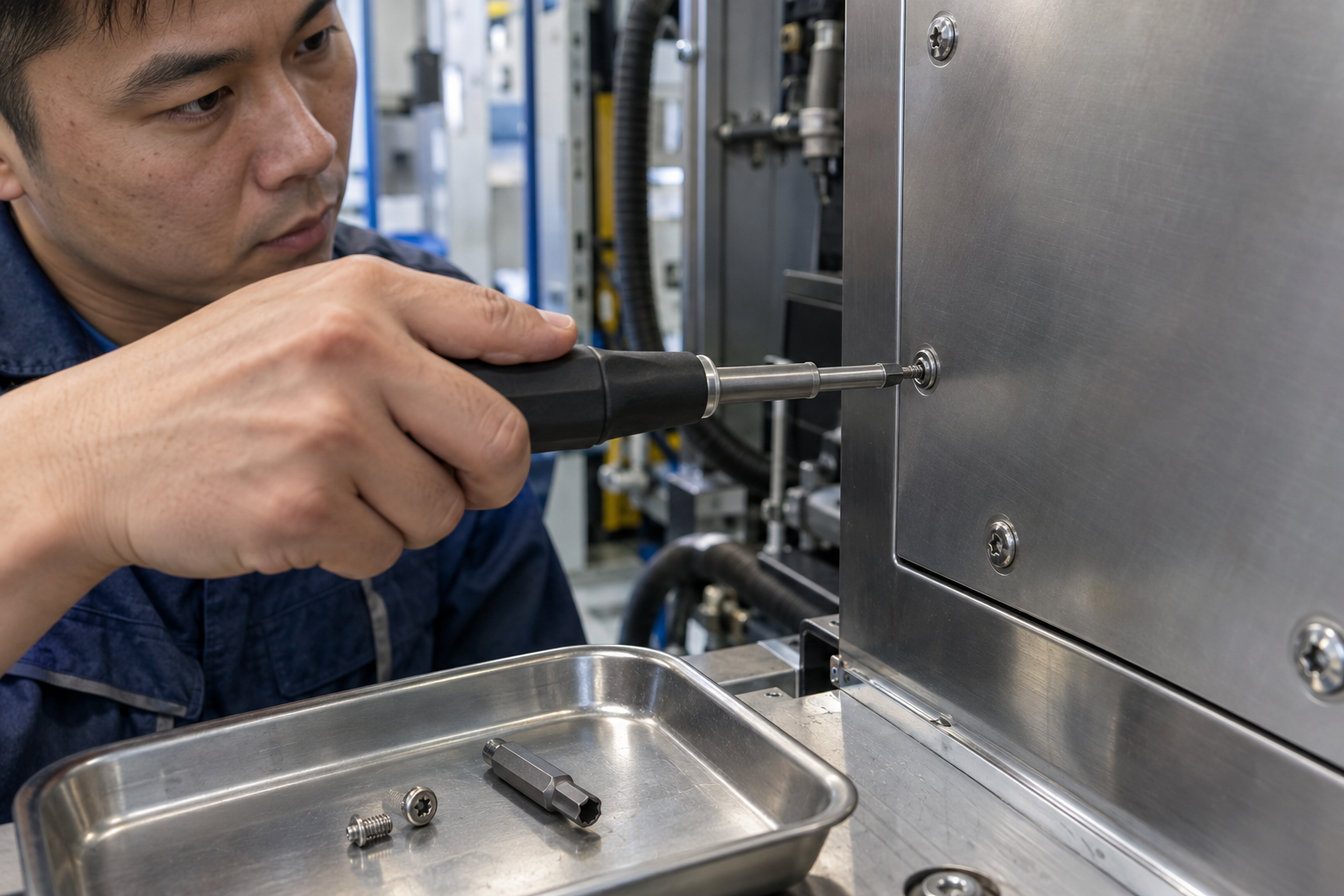
For removal, unload the joint when the primary fastener is carrying force, clean the recess, and press the correct bit firmly into the drive before turning. If the recess is damaged, stop forcing the original bit. Use a documented extraction method that protects the panel and mating thread, then replace the screw if the drive or thread has been compromised. Keep a replacement security bit available for planned maintenance. Do not use a smaller bit, strike the central pin, or apply an uncontrolled impact driver simply because the fastener is difficult to reach.
Material, finish, inspection, and packaging
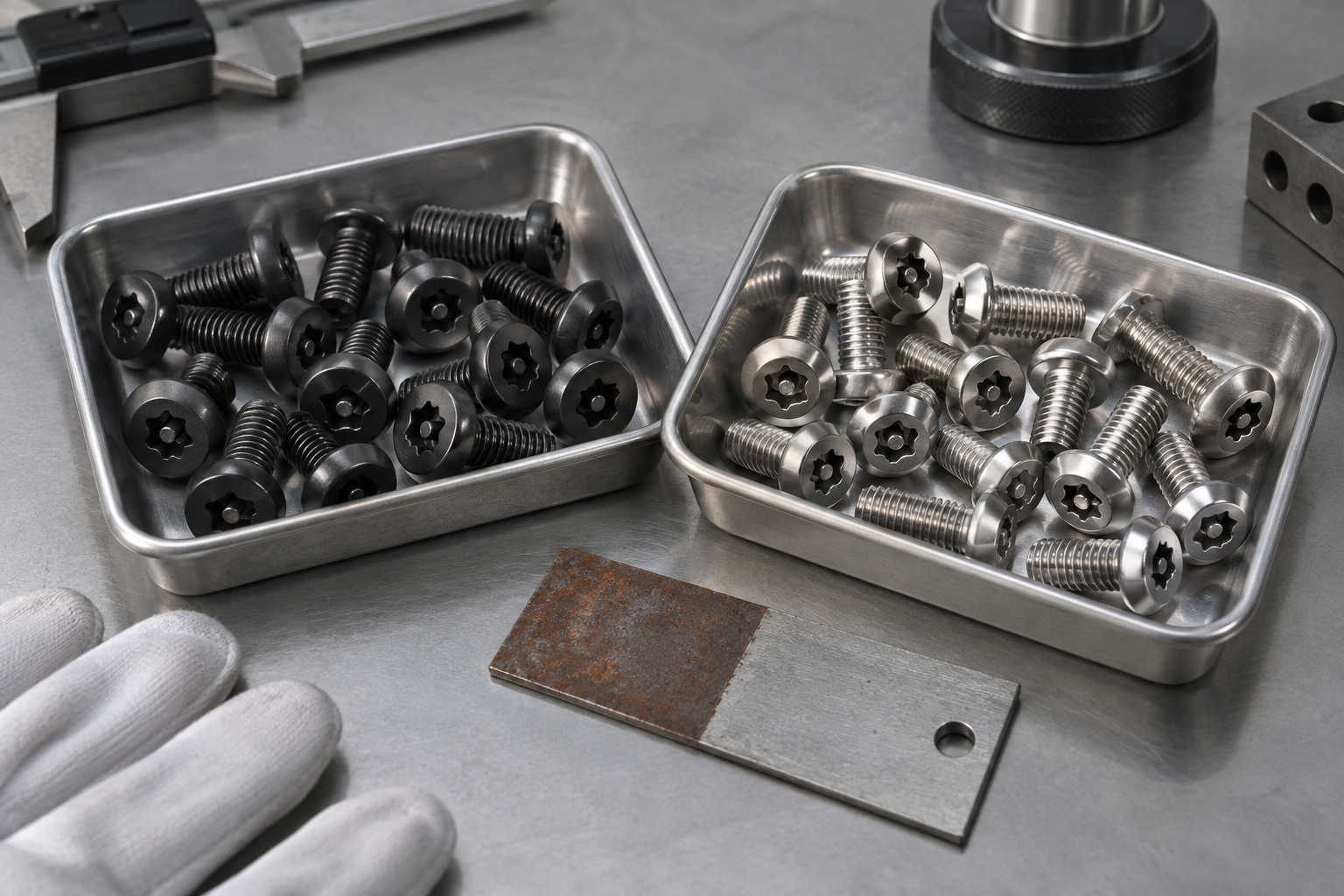
Carbon steel and stainless steel are common material directions, but the correct grade and finish depend on corrosion exposure, strength, temperature, wear, and contact with other metals. A product photograph cannot confirm the grade. For coated parts, check whether the coating changes thread fit or the recess dimensions. For stainless parts, review galling risk and dissimilar-metal exposure where the assembly requires it.
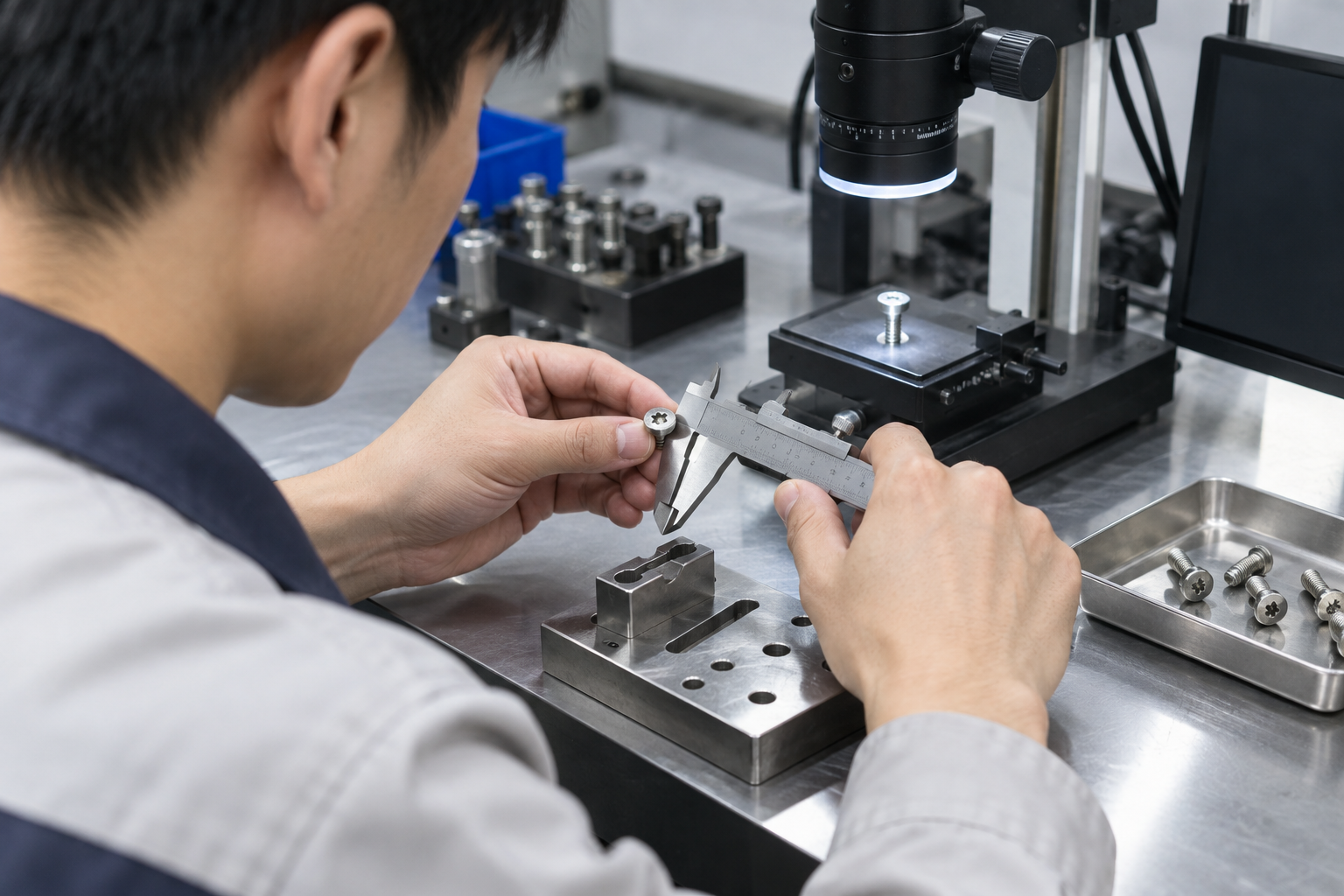
A practical inspection plan can include:
- drive size, lobe condition, pin position, pin clearance, and recess depth;
- head diameter, head height, countersink fit if applicable, thread diameter, pitch, and length;
- burrs, cracks, coating loss, corrosion, damaged threads, and mixed parts;
- material, finish, lot identification, and any required certificate or inspection record;
- sample engagement with the approved hollow bit and a controlled reference assembly;
- packaging that keeps the small screws, matching bits, and lot information identifiable.
Do not assign a safe torque or load rating from the drive name alone. The head form, thread engagement, material grade, lubrication, joint stiffness, and surrounding panel can govern the result. A safety-related enclosure or guard needs the responsible engineer’s acceptance criteria.
What to include in a security Torx screw RFQ
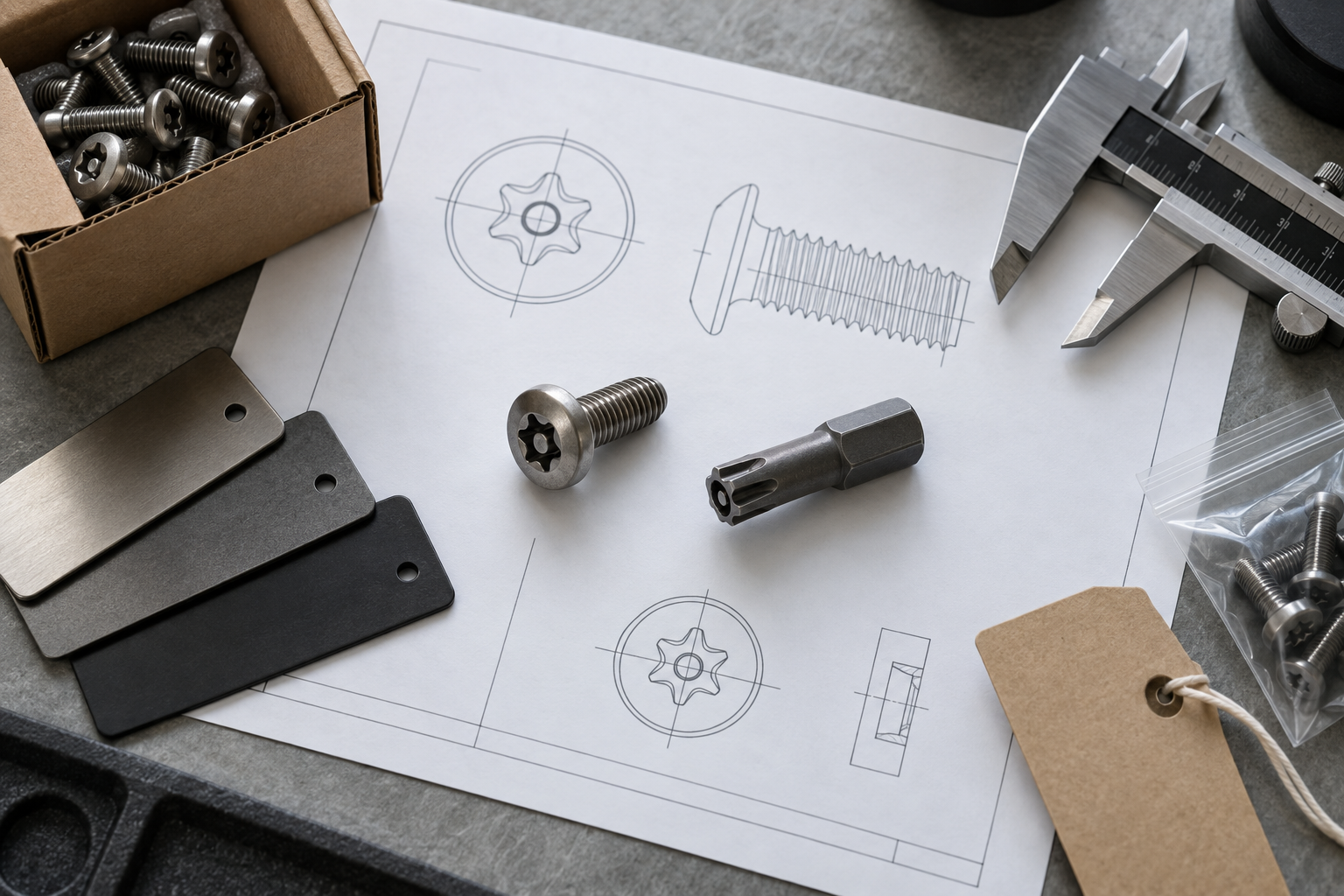
A procurement request should let the supplier distinguish the fastener from similar security drives. Include the following fields:
- Product and use: security Torx screw, pin-in Torx screw, panel screw, machine screw, sheet-metal screw, or another defined form, plus the application.
- Drive: six-lobe security drive, specified drive size, central pin requirement, recess depth, and any controlled drive standard.
- Head: button, pan, countersunk flat, low-profile, or drawing-defined head; include head diameter, height, angle, and seating requirement.
- Thread and length: metric or inch system, nominal diameter, pitch or threads per inch, thread length, and the drawing’s length reference.
- Material and finish: grade or property class if required, coating or passivation, color if controlled, and the service environment.
- Assembly and tool: mating material, tapped or clearance hole details, target torque if specified by engineering, bit or driver requirement, and access limitations.
- Quality: sample approval, dimensional inspection, material documentation, lot traceability, surface requirements, and packaging method.
- Commercial fields: quantity, repeat-order expectation, delivery destination, and requested delivery window. Confirm MOQ and lead time with the supplier instead of assuming them.
Attach the part drawing, a head-up photograph, a side photograph, an installed photograph, and an old sample when the screw is a replacement. Mark which dimensions are controlling. If the existing recess is damaged or the original bit is missing, say so. Copying a worn sample without explaining its condition can reproduce the failure.
Security Torx screw FAQ
What is a security Torx screw?
A security Torx screw is a six-lobe screw with a central pin in the internal drive recess. It needs a hollow security Torx bit that passes over the pin. The feature limits casual access, but it does not make the fastener impossible to remove.
What is the difference between security Torx and regular Torx?
Regular Torx has an open six-lobe recess and uses a solid bit. Security Torx adds a central pin, so its matching bit has a hole in the working end. The thread and head dimensions may otherwise be specified in several different ways.
Which bit removes a security Torx screw?
Use a hollow security Torx bit with the same six-lobe drive size and enough depth to clear the central pin. Confirm full engagement before applying torque. A regular solid Torx bit will not seat correctly on a pin-in drive.
Are security Torx screws tamper-proof?
They are tamper-resistant in the practical sense that an ordinary driver does not fit. Matching bits are widely available, so the fastener should be treated as an access deterrent. Higher-risk applications need a broader physical and maintenance control plan.
How are security Torx screws sized?
They have separate thread and drive dimensions. Specify the metric or inch thread, diameter, pitch or threads per inch, length reference, head style, and supplier-confirmed drive size. Do not infer a T-size from the screw diameter or head photograph alone.
Can a security Torx screw use a regular Torx bit?
A regular solid bit normally cannot pass over the central pin. Forcing it can damage the pin or round the lobes. Use the hollow bit made for the security drive and verify the size, depth, and axial access.
Which standards apply to security Torx screws?
ISO 10664 is a reference for the hexalobular internal driving feature and gauging. ISO 14583 and ISO 14581 cover particular pan head and countersunk flat head hexalobular screw forms. Confirm the exact product standard, security pin, thread, material, and finish for the part being ordered.
What should be sent to a security Torx screw supplier?
Send the screw application, drawing or sample, head style, drive size and pin requirement, thread, length reference, material, finish, quantity, mating-hole information, inspection needs, packaging, and delivery destination. Include the matching bit requirement when installers or service teams need it supplied with the fasteners.
How to specify security Torx screws without rework
Start with the access decision, then lock down the complete fastener. Identify the pin-in six-lobe drive and the matching hollow bit. Record head style, thread, length, material, finish, service environment, torque or assembly requirements, inspection, packaging, and quantity. That sequence prevents a common purchasing error: accepting a screw that looks right from above but has the wrong thread, head height, or bit engagement.
If the part is a replacement, treat the installed assembly as evidence. Photograph the recess and mating surface, measure the thread and length with the correct reference, and inspect the old pin for damage. If the requirement is drawing-based, send the drawing and sample together so the supplier can review the security feature and the joint fit as one specification.
From a security Torx requirement to a quote-ready specification
DingLong’s custom fastener solutions page is the relevant route when a security Torx screw must be reviewed against a drawing, sample, material, finish, quantity, and inspection plan. Include the pin-in drive size, head form, thread and length references, matching bit need, and installation environment. The supplier can then confirm which dimensions, process details, MOQ, and lead time apply to the actual request.