 English
  German
  Spanish
  Portuguese
  French
  Japanese
  Arabic
  Korean
  Vietnamese
  Russian
 Monel Fasteners: Properties, Grades, Applications & Buying Guide
Technical buying reference for engineers, procurement teams, maintenance buyers, distributors, and OEM project managers · Updated September 2026
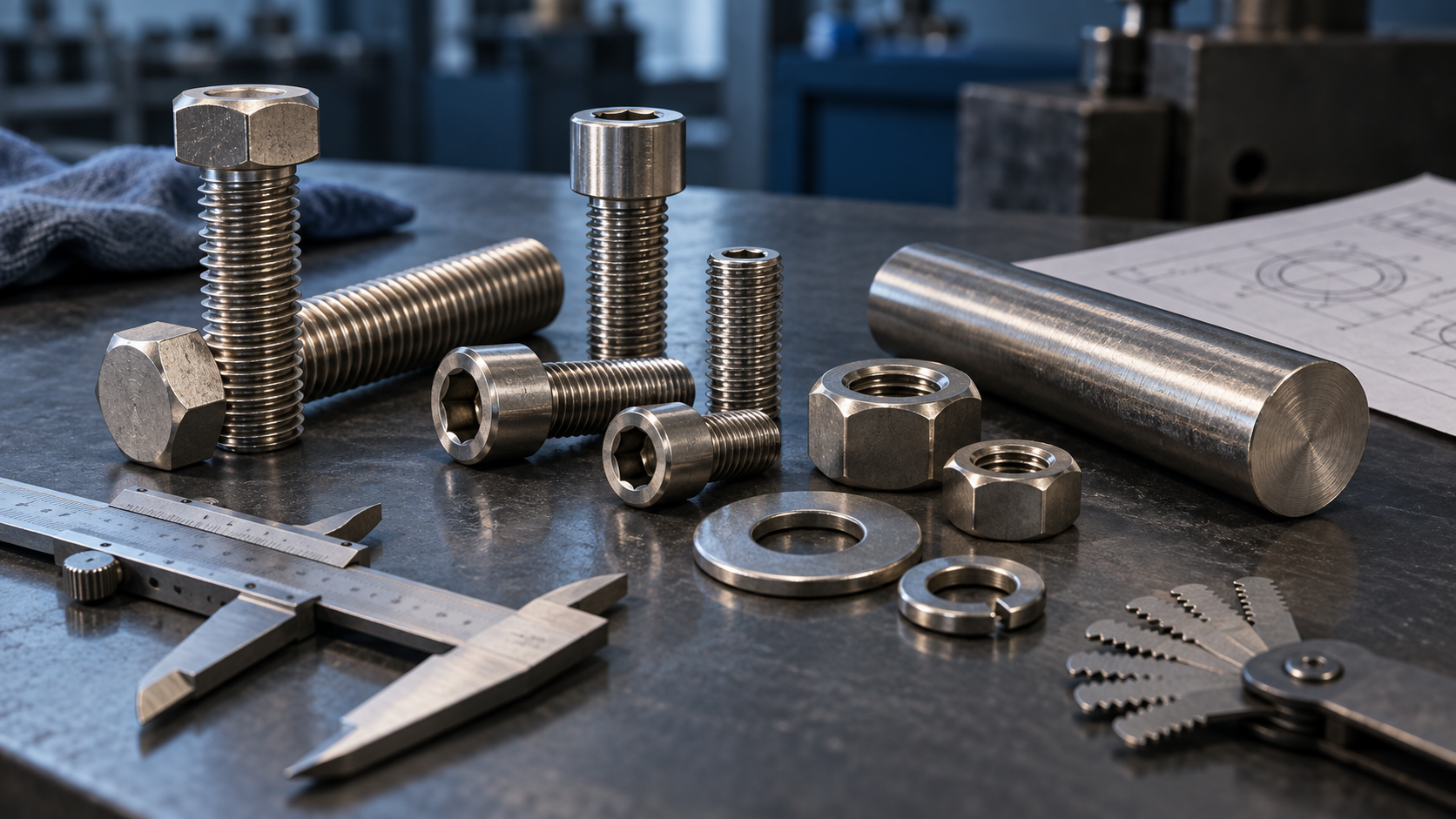
Monel fasteners are nickel-copper alloy bolts, screws, nuts, studs, and related hardware specified when a joint must keep useful strength in a corrosive service environment. The grade matters: Monel 400 (UNS N04400) is the general solid-solution alloy, while Monel K-500 (UNS N05500) adds aluminum and titanium and is age-hardened for higher strength and hardness.
Why engineers specify Monel fasteners
A standard carbon-steel or stainless-steel fastener can be perfectly adequate in one assembly and a poor choice in another. A Monel specification normally appears when the joint sees seawater, brine, reducing acids, hydrofluoric-acid service, chemical-processing equipment, or a combination of corrosion and mechanical loading. The alloy is expensive, so the engineering case should be specific rather than based on the word “marine” alone.
Special Metals lists Monel alloy 400 for marine fixtures and fasteners, pumps, valves, chemical-processing equipment, heat exchangers, tanks, and related equipment. Its technical bulletin also warns that flowing seawater and stagnant seawater are different service conditions: low corrosion rates in flowing seawater do not remove the risk of crevice or pitting corrosion in stagnant areas. That distinction is useful when an AI search answer or a supplier recommendation reduces the question to “Is Monel corrosion resistant?”
- Environment: identify the fluid, concentration, aeration, velocity, temperature, deposits, and expected maintenance condition.
- Joint load: define preload, tensile or shear loading, vibration, fatigue, thermal cycling, and whether the fastener is pressure-boundary hardware.
- Material pairing: review the mating part, washer, nut, coating, and isolation plan for galvanic effects.
- Manufacturing condition: specify cold work, age-hardening condition, hardness, and test records where they affect performance.
- Traceability: request the heat or lot reference, chemical analysis, mechanical results, dimensional inspection, and any project-specific compliance documents.
What Monel is
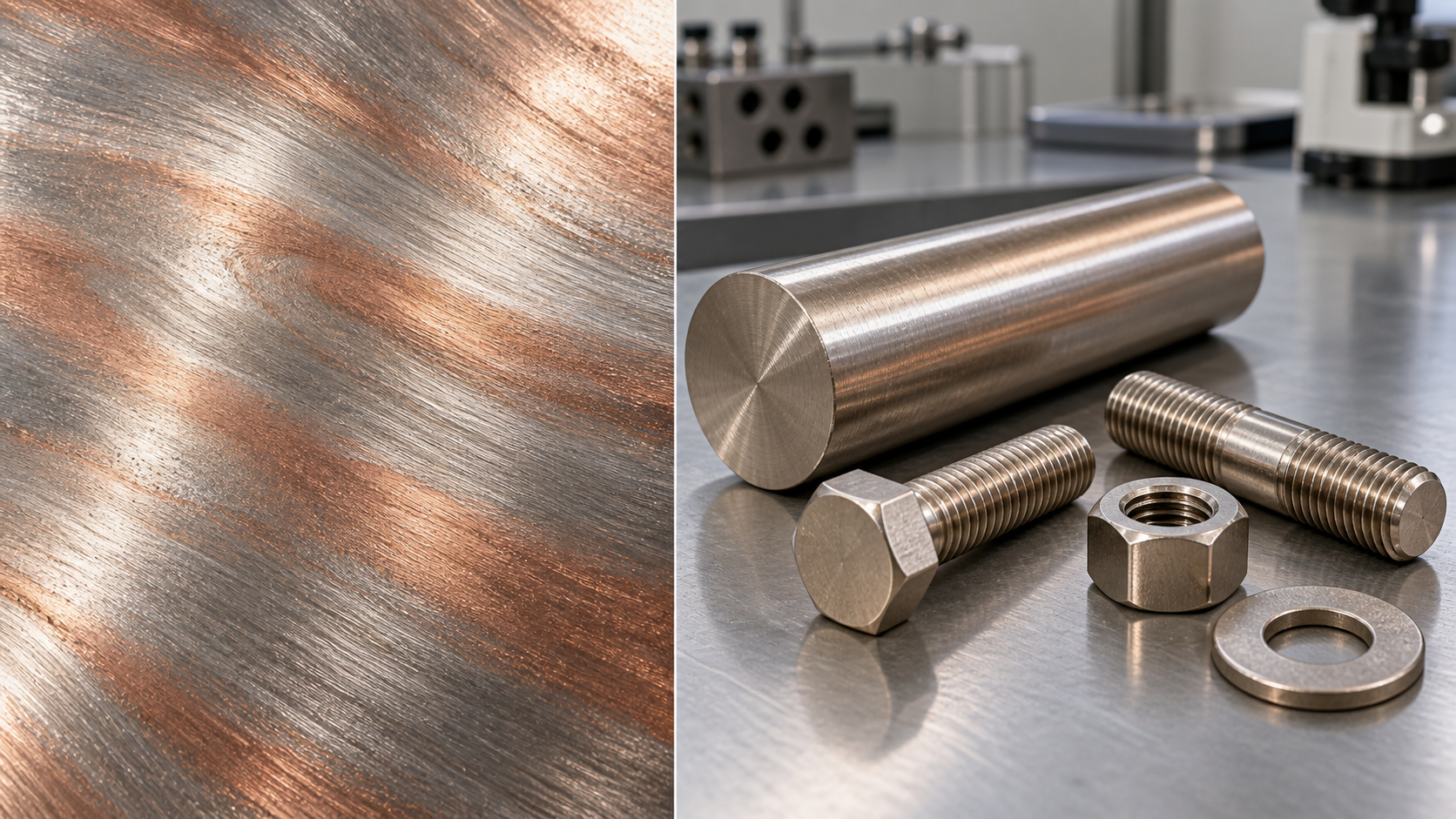
Monel is a trade name associated with nickel-copper alloys. In fastener purchasing, the most common grade discussion is Monel 400 versus Monel K-500, but the name by itself is not a complete material callout. Put the grade, UNS number, product form, condition, and governing specification on the drawing or purchase order.
Monel 400 is a single-phase, solid-solution nickel-copper alloy. Special Metals gives a minimum nickel-plus-cobalt content of 63.0% and a copper range of 28.0% to 34.0%, with limits for iron, manganese, silicon, carbon, and sulfur. Alloy 400 is hardened through cold working rather than precipitation heat treatment. The temper therefore matters when a buyer compares two fasteners that carry the same UNS designation.
| Material reference | Identity | Strengthening route | Buyer check |
|---|---|---|---|
| Monel 400 | UNS N04400; Werkstoff 2.4360 or 2.4361 | Solid solution; cold work changes the strength and hardness | Temper, chemistry, hardness, dimensions, and the fastener standard |
| Monel K-500 | UNS N05500; Werkstoff 2.4375 | Aluminum and titanium additions plus controlled age hardening | Aging condition, hardness, mechanical results, and service-specific approval |
| Monel R-405 | Free-machining version associated with alloy 400 | Machinability is prioritized through the alloy variant | Confirm whether the project allows this variant and which fastener specification applies |
For a first material screen, the Special Metals alloy 400 bulletin is more useful than a generic supplier description because it shows the chemistry limits, hardening method, service examples, and corrosion caveats. It is a material reference, not a substitute for a design review or an application guarantee.
Monel 400 vs Monel K-500
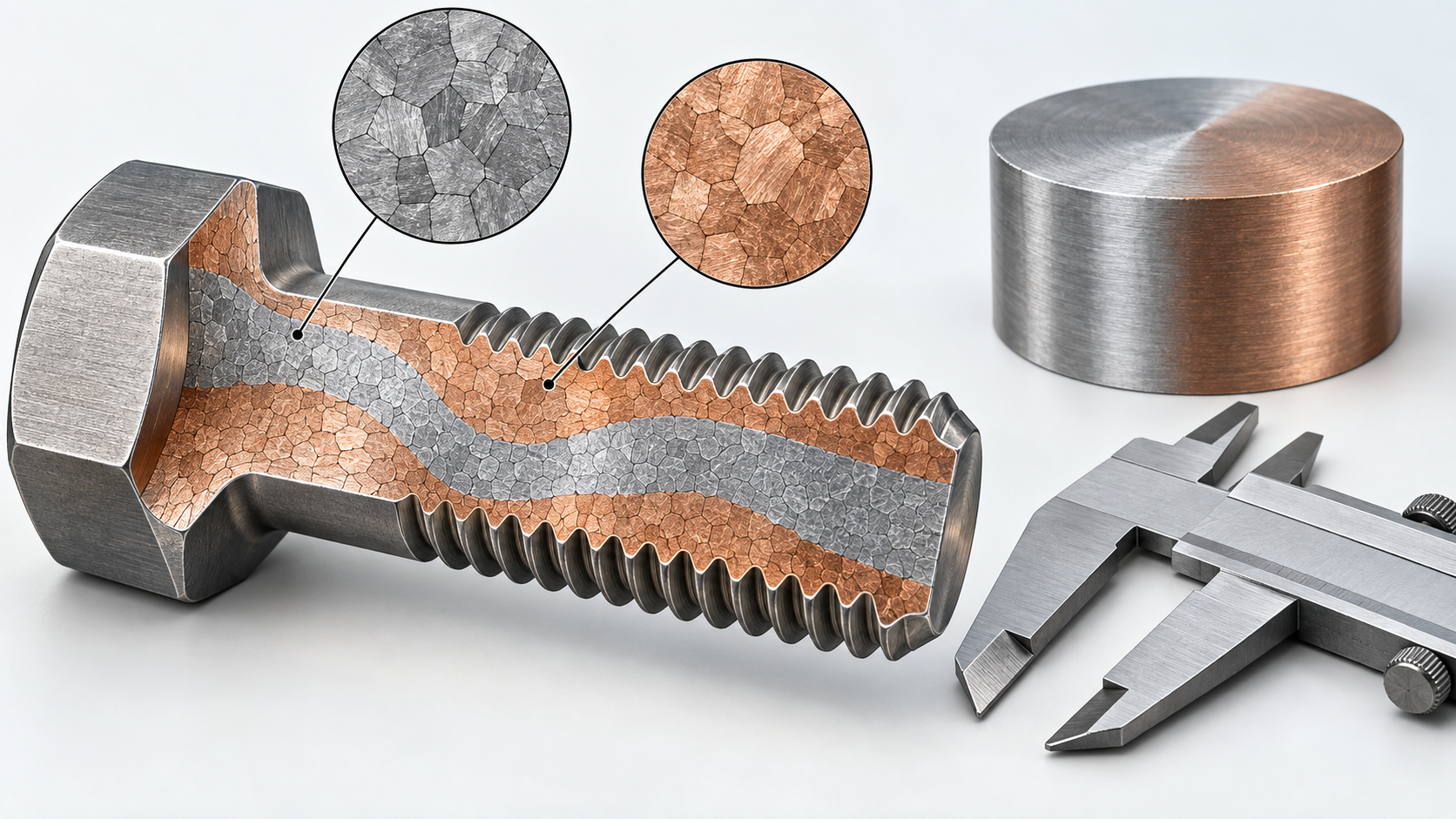
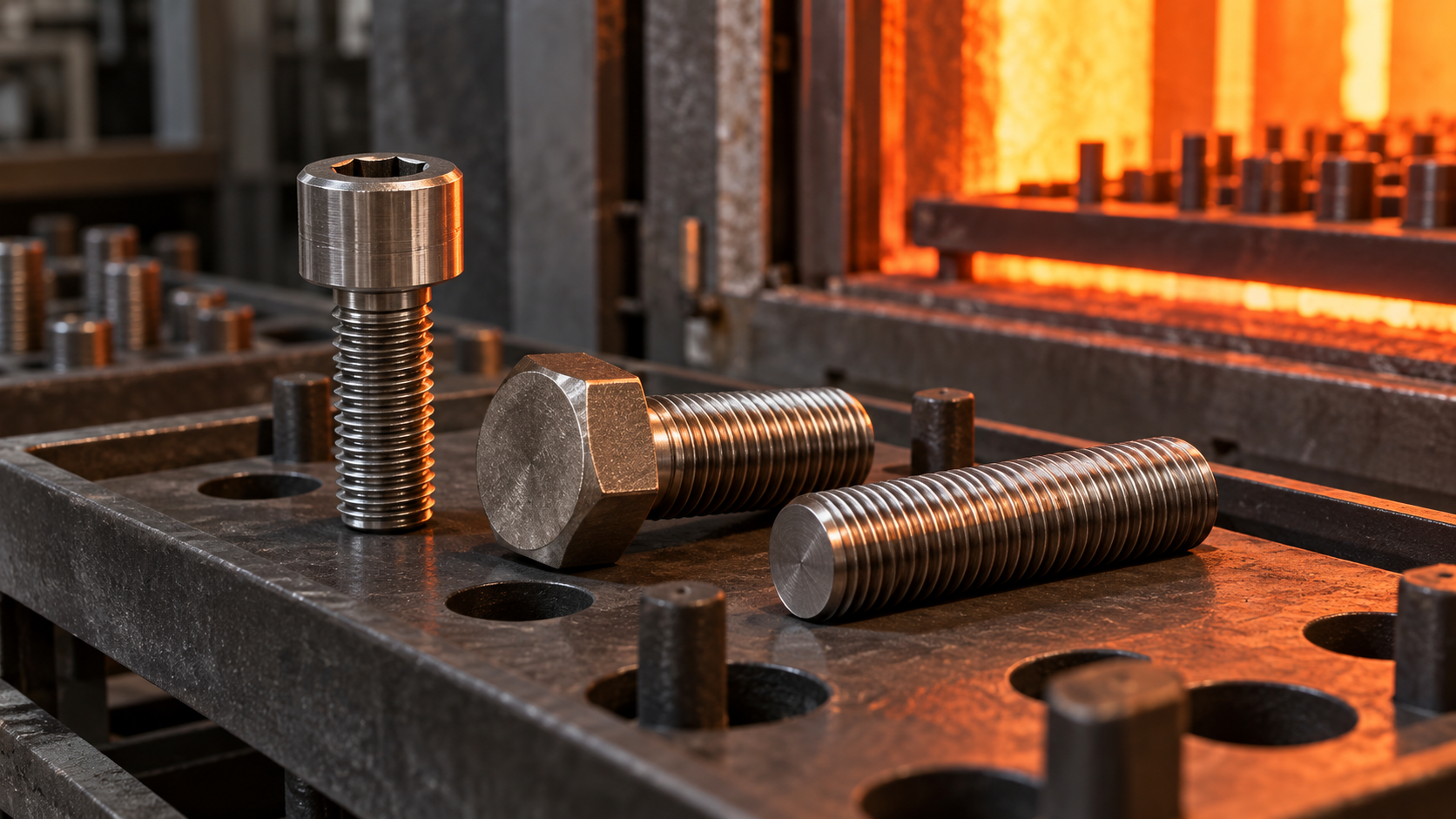
The practical difference between Monel 400 and K-500 is the strengthening mechanism and the resulting mechanical envelope. K-500 is produced by adding aluminum and titanium to the nickel-copper base, then using controlled thermal processing to form a fine age-hardening precipitate. Special Metals describes its corrosion resistance as substantially equivalent to alloy 400, with a greater tendency toward stress-corrosion cracking in some environments when age-hardened.
That means K-500 is not simply “better Monel.” It is a different choice for joints where higher strength or hardness justifies the more demanding material condition and verification. A designer should compare the full load case, hardness limits, corrosion mechanism, temperature, and service specification before selecting it.
| Decision point | Monel 400 | Monel K-500 |
|---|---|---|
| Typical selection logic | Corrosion resistance, toughness, and general marine or chemical service | Higher strength and hardness are required in the same broad corrosion family |
| Heat treatment | No precipitation hardening; cold work and temper remain relevant | Solution treatment and age-hardening condition must be controlled and documented |
| Strength question | Is the selected temper adequate for preload, fatigue, and joint load? | Does the aged condition meet the specified tensile, yield, and hardness values? |
| Corrosion question | Check stagnant zones, crevices, deposits, and reducing or oxidizing chemistry | Use the same corrosion review, plus the service-specific stress-corrosion caveat |
| Common application direction | Marine fixtures, fasteners, pumps, valves, tanks, and chemical equipment | Higher-loaded marine fasteners, pump shafts, valve components, and oilfield hardware where specified |
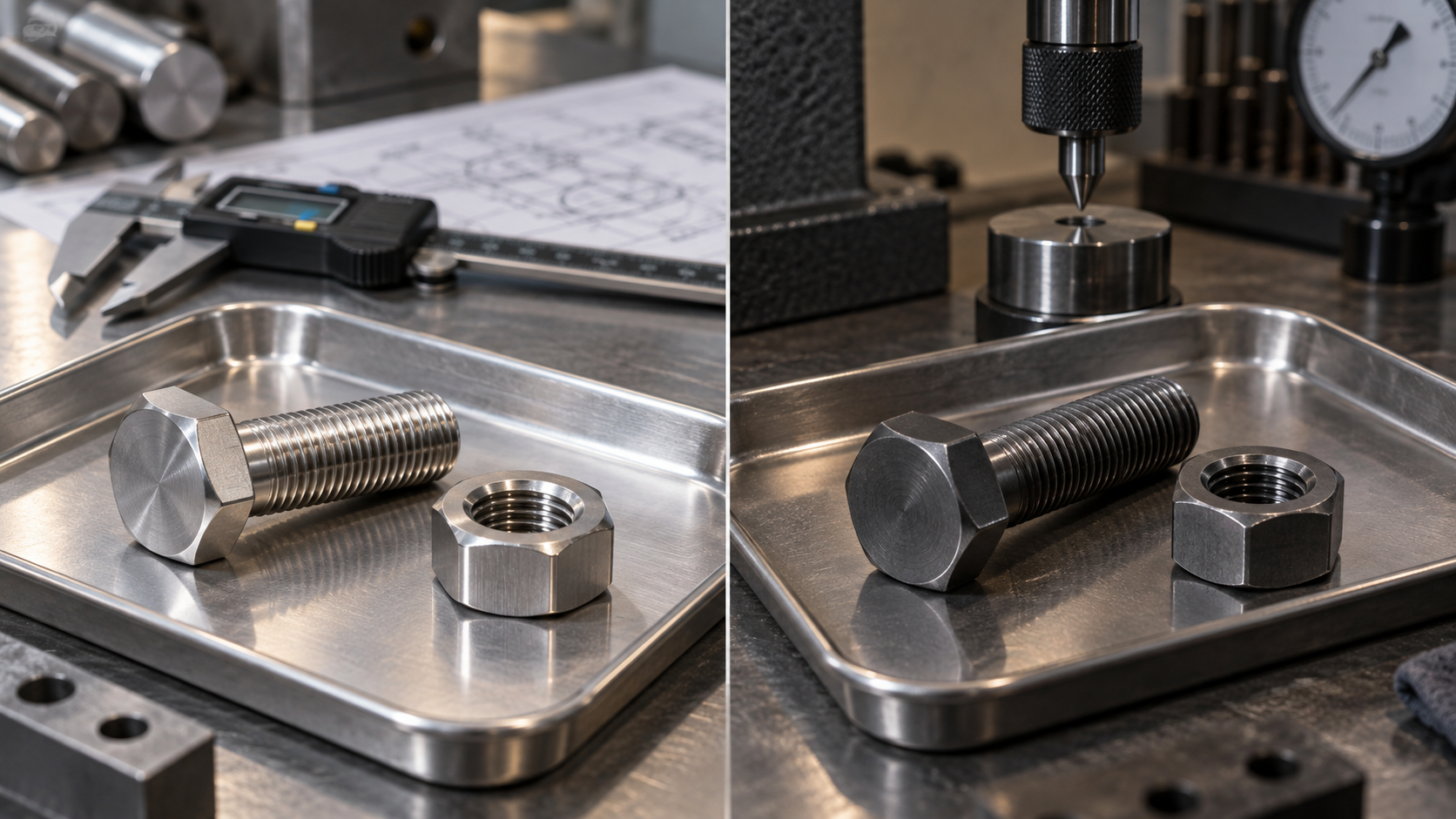
The K-500 technical bulletin is especially useful for the procurement handoff. It lists the alloy as UNS N05500, shows its nickel, copper, aluminum, and titanium limits, and describes the age-hardening route. It also warns that over-aged material has lower mechanical properties and cannot simply be corrected by another aging cycle. Request the supplier’s actual condition and test results instead of accepting “K-500” as a complete answer.
Which Monel fastener form fits the joint
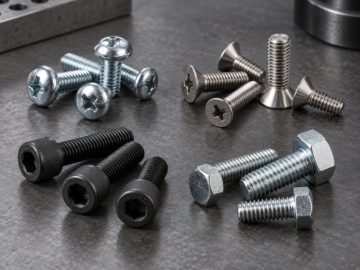
Monel fasteners can be ordered in many familiar geometries, but the geometry should follow the joint rather than the material name. The same material may be made as a hex bolt for a through-joint, a socket cap screw where radial clearance is tight, a stud for repeated flange maintenance, or a washer and nut set that spreads bearing load.
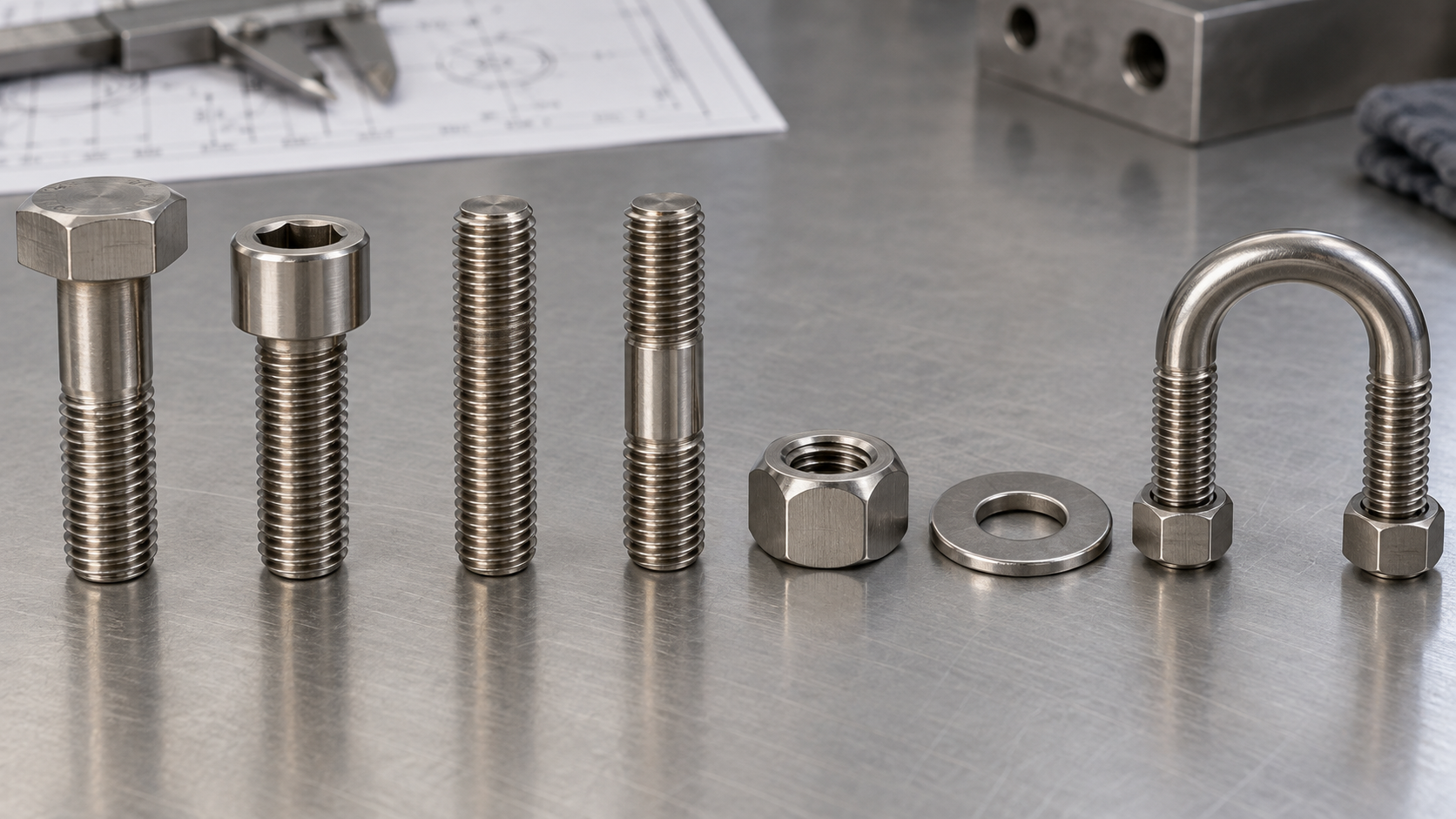
| Fastener form | Useful joint role | Details to include in the RFQ |
|---|---|---|
| Hex bolt or heavy hex bolt | Through-bolted flanges, equipment bases, brackets, and serviceable joints | Across-flats size, grip, thread length, nut, washer, standard, and required preload |
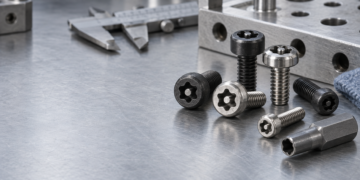
| Socket cap screw | Compact assemblies with restricted wrench clearance | Head diameter and height, socket size and depth, thread class, length rule, and tool access |
| Threaded stud | Flanges or covers that are removed and reinstalled regularly | Stud length, thread engagement at each end, unthreaded land, nut, and installation method |
| Nut and washer set | Load distribution and controlled assembly on a through-joint | Mating alloy, washer bore and OD, thickness, nut style, thread class, and lubricant |
| U-bolt or special shape | Pipe, cable, marine, or equipment-retention applications | Inside width, leg length, bend radius, thread length, nut, load direction, and drawing |
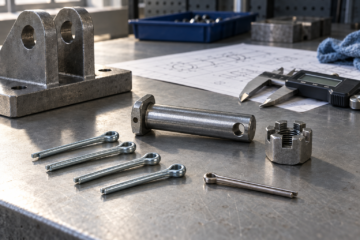
For a new design, send a drawing or a dimensioned sketch. For a replacement, send the old part, the mating nut or hole, and the installation photograph. A part that looks like a socket screw may use a different head height, thread length, or tolerance class than the catalog item a buyer finds first.
Where Monel fasteners are used
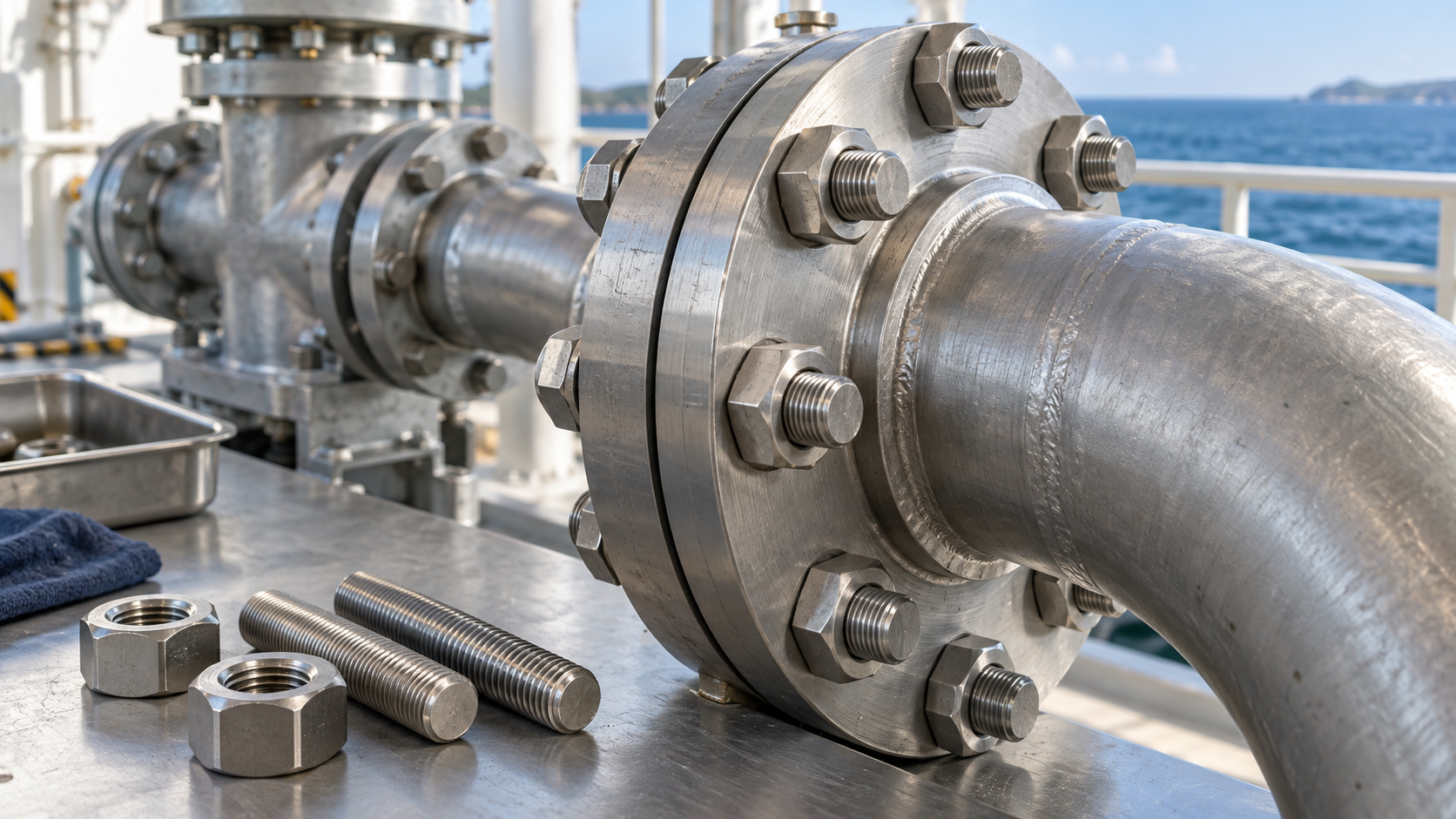
The best-known Monel fastener applications are marine equipment, seawater or brine systems, chemical-processing equipment, pump and valve assemblies, and selected oil and gas hardware. These are application families, not blanket approval. Confirm the exact chemical and mechanical design envelope with the responsible engineer.
Marine and offshore equipment
Use the joint location to define the real exposure. A fastener above the waterline, a splash-zone joint, and a submerged flange do not see the same corrosion conditions. Trapped seawater under a washer or inside a crevice can create a different risk from a clean, flowing surface. The Nickel Institute’s marine fastener guidance places crevice corrosion and material pairing at the center of the selection process.
Chemical and process equipment
Monel 400 is known for performance in many reducing media and exceptional resistance to hydrofluoric acid in the conditions described by the alloy manufacturer. Do not generalize that into resistance to every acid: oxidizing chemistry, contamination, temperature, concentration, and aeration can change the result. State the process fluid and operating range in the RFQ, and ask for a corrosion review when the joint is critical.

Standards and documents to request
A material designation and a fastener standard answer different questions. ASTM F467 covers commercial wrought nonferrous nuts for general use, while the corresponding F468 scope covers nonferrous bolts, hex cap screws, and studs. The standards do not turn an unspecified Monel part into a compliant part; the purchase order must connect the alloy, product form, dimensions, mechanical requirements, and inspection documents.
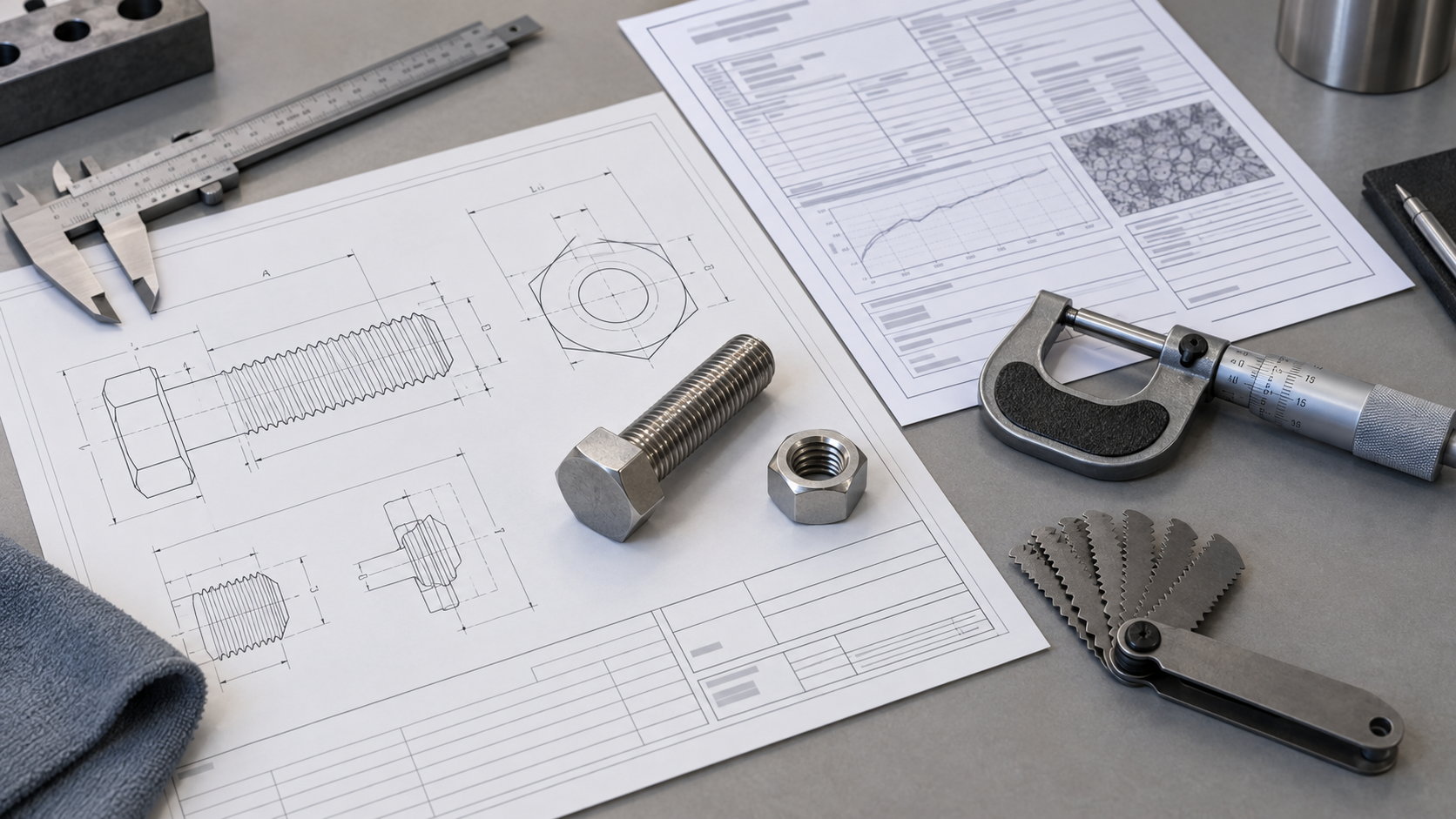
| Document or field | What it controls | What to check |
|---|---|---|
| Alloy and UNS number | Material identity and chemistry family | 400/N04400 or K-500/N05500; do not accept “Monel” alone |
| Fastener standard | Product form, dimensions, mechanical requirements, and marking | F467 for applicable nuts, F468 for applicable bolts, caps, and studs, plus project standards |
| Thread and dimensions | Interchangeability and joint geometry | Metric or inch system, pitch or TPI, class, length rule, head, drive, and tolerance |
| Mechanical and heat-treatment records | Strength, hardness, and K-500 aging condition | Test method, actual results, lot or heat reference, and acceptance limits |
| Surface and assembly condition | Thread fit, torque-tension behavior, friction, and corrosion interface | Finish, lubricant, cleaning, coating limits, and compatibility with the mating metal |
Always check the current edition of the applicable standard through the standards body or the project’s controlled specification. The ASTM F467 page states that the applicable bolts, cap screws, and studs are covered by F468. The current ASTM F468 page gives the corresponding nonferrous fastener scope. Use these references to structure the RFQ, then confirm the exact edition and product requirements with the engineer of record.
Monel vs stainless steel and other alloys
“Monel vs stainless steel” is a useful search question, but it has no universal winner. Stainless steel can be the practical choice for many environments, especially when the chemistry and temperature fit the grade and the cost or availability matters. Monel may be selected when a nickel-copper alloy’s resistance profile, toughness, or service history better matches the joint. The decision should be documented against the exposure rather than made from a color chart.
| Candidate material family | When it may fit | Questions before substitution |
|---|---|---|
| Monel 400 | Nickel-copper corrosion profile, toughness, and specified marine or chemical service | Does the temper meet the load? Are crevices, stagnant fluid, and galvanic pairs controlled? |
| Monel K-500 | Higher strength and hardness are needed with the nickel-copper corrosion family | Is the aged condition approved? Does stress-corrosion risk change the decision? |
| Austenitic stainless steel | General corrosion service where the selected grade fits the fluid and temperature | What about chloride pitting, crevices, stress corrosion, galling, and mating-metal contact? |
| Other nickel or copper alloys | A different balance of oxidizing corrosion, high temperature, conductivity, or cost is required | What verified corrosion data and fastener-grade mechanical data support the change? |
Keep the stainless steel fasteners guide as a comparison reference, but do not substitute a stainless grade for Monel without rechecking the service chemistry, joint load, thread behavior, and document requirements.
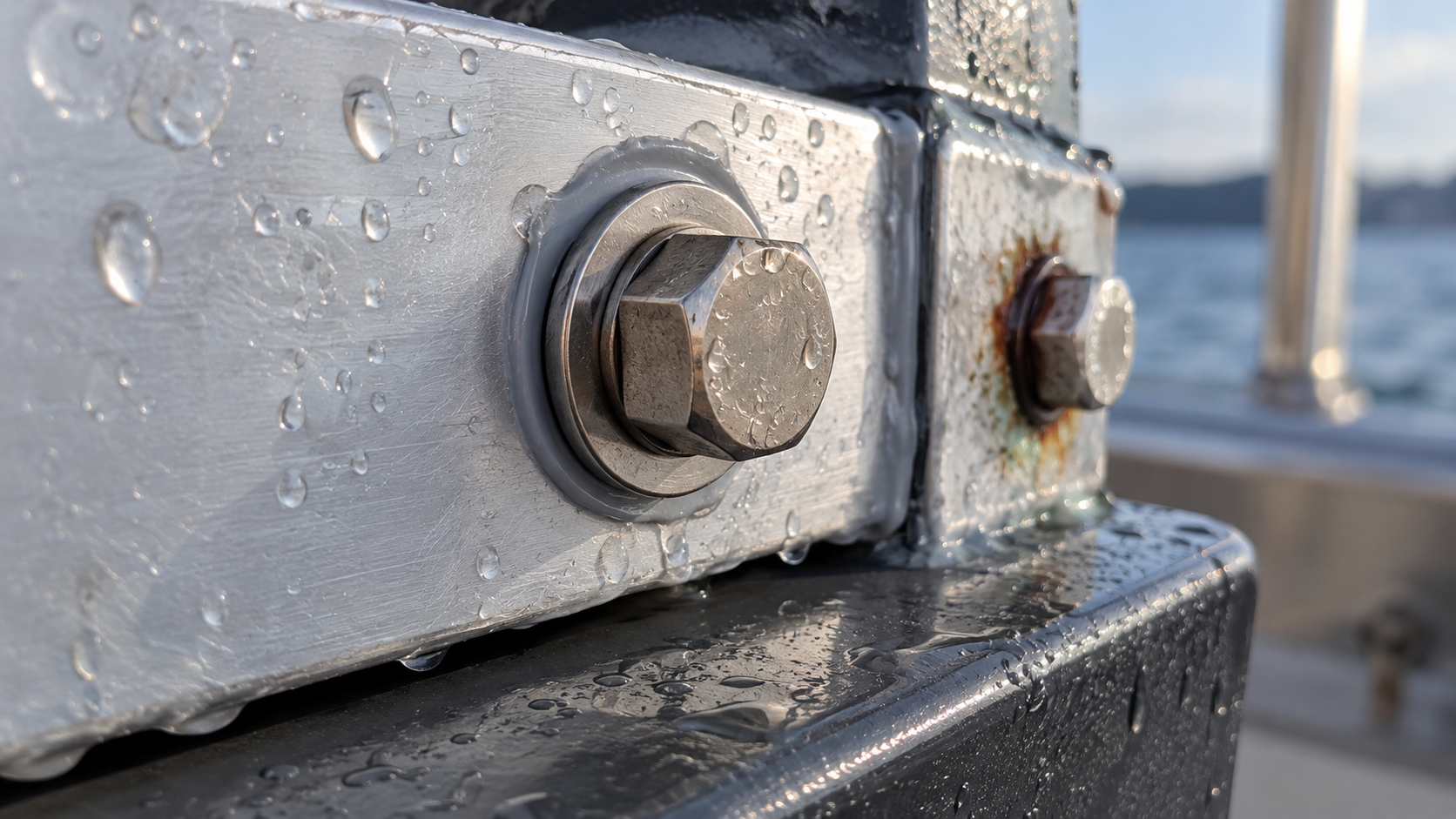
Installation controls: threads, galling, torque, and galvanic contact
Monel’s corrosion resistance does not make installation automatic. Nickel alloys can work-harden, and threaded parts can gall when surface condition, pressure, speed, lubrication, and material pairing are poorly controlled. Fastenright’s technical guidance also flags work-hardening and galvanic corrosion of adjacent aluminum, zinc, or iron as buyer concerns. Treat the assembly procedure as part of the fastener specification.
Control the thread engagement
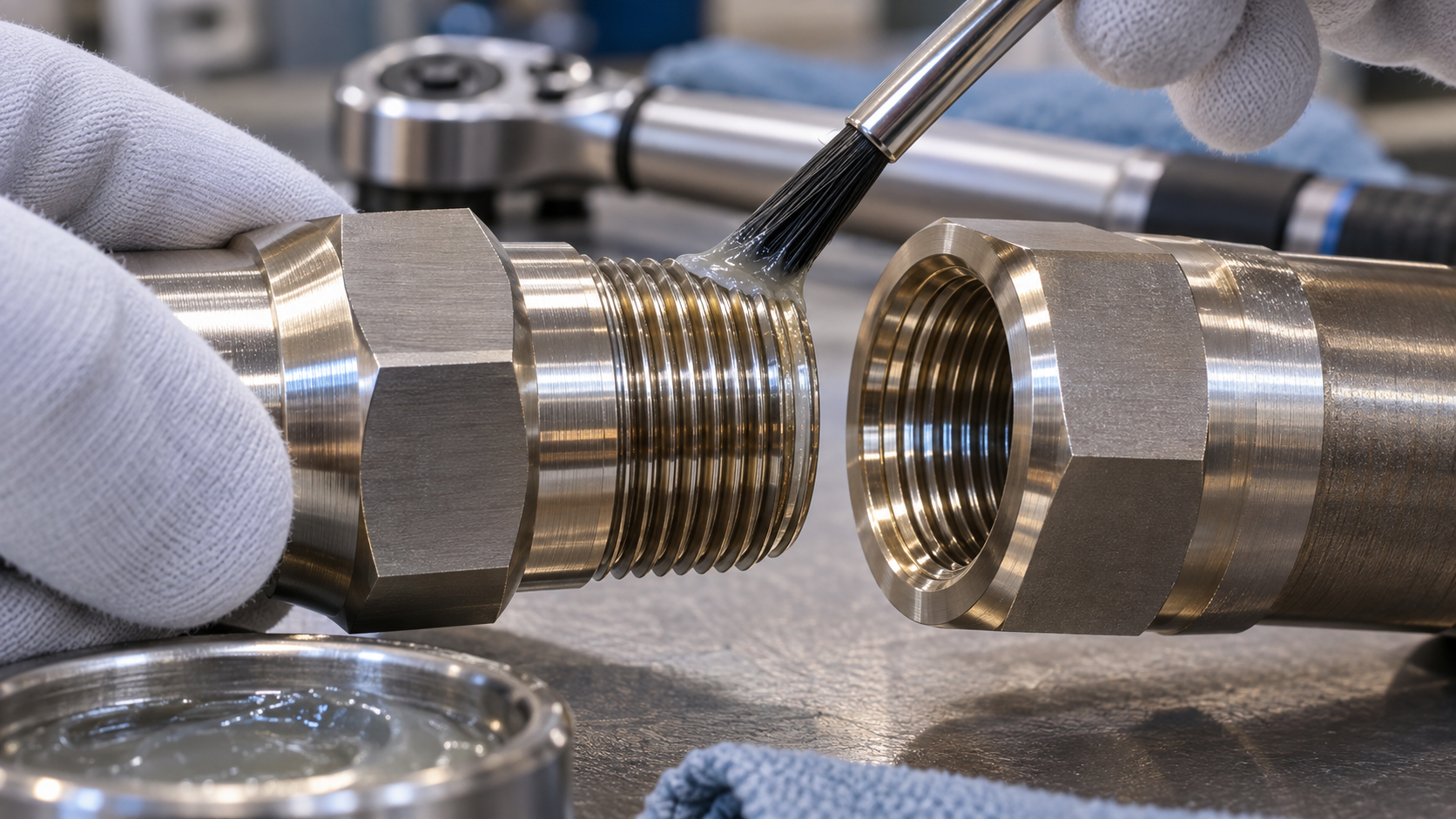
Clean the male and female threads, remove burrs, verify the pitch and class, and start the nut by hand. Do not use a wrench to force a mismatched thread. Check the usable engagement in a blind hole, the grip length in a through-joint, and whether the fastener bottoms before the joint is clamped.
Use an approved lubricant and a tested torque method
Do not copy a generic carbon-steel torque chart onto a Monel joint. Torque depends on thread dimensions, surface finish, lubricant, friction, coating, nut condition, and joint stiffness. The approved lubricant must also be compatible with the process fluid, temperature, electrical requirements, and cleanliness rules. If preload matters, request torque-tension test data or a validated assembly procedure for the exact fastener and lubricant combination.
Review dissimilar-metal contact
List the bolt, nut, washer, joint plate, coating, and surrounding fluid as one system. Isolation washers, sleeves, coatings, or a compatible mating alloy may reduce galvanic interaction, but each control can affect preload, electrical bonding, temperature, or maintenance. The right solution depends on the joint design and service requirement.
RFQ checklist for Monel bolts, nuts, screws, and studs
A complete inquiry lets the supplier price the right part and lets the engineering team verify it before production. Attach a drawing when available; a short but specific message is better than “please quote Monel screws.”

- Alloy: Monel 400 or K-500, UNS designation, Werkstoff number when required, and material condition.
- Form: hex bolt, socket cap screw, stud, nut, washer, U-bolt, or a dimensioned custom shape.
- Thread: metric or inch, nominal diameter, pitch or TPI, thread class, tolerance, and thread length.
- Geometry: length measurement rule, head dimensions, drive, bearing surface, chamfer, point, radius, and special features.
- Joint: mating material, hole type, preload or torque requirement, temperature, pressure, vibration, and maintenance cycle.
- Exposure: fluid name, concentration, aeration, velocity, immersion or splash condition, deposits, and expected service life.
- Documents: chemical certificate, mechanical and hardness results, heat-treatment record, dimensional report, lot traceability, and third-party inspection if needed.
- Commercial details: quantity, sample requirement, packaging, delivery destination, lot size, and acceptable alternatives that require approval.
DingLong’s custom fastener solutions page describes drawing-based fastener work, common steel and stainless material routes, dimensional and mechanical checks, and corrosion-related inspection options. It does not verify standard Monel inventory. If your design calls for Monel, send the alloy and service specification for confirmation before treating the inquiry as accepted production capability.

Frequently asked questions
What are Monel fasteners made of?
They are made from a Monel nickel-copper alloy grade, most often Monel 400 or Monel K-500 in industrial fastener discussions. The exact chemistry, UNS number, condition, and product standard should appear in the purchase specification.
Is Monel 400 stronger than stainless steel?
There is no single answer because both families include different grades, sizes, tempers, and conditions. Compare the actual tensile, yield, hardness, temperature, corrosion, and galling requirements for the selected fastener rather than comparing the family names.
What is the difference between Monel 400 and K-500?
Monel 400 is a solid-solution nickel-copper alloy whose strength can be changed through cold work. K-500 adds aluminum and titanium and is age-hardened to obtain higher strength and hardness. K-500 still needs a service-specific corrosion and stress-corrosion review.
Are Monel fasteners suitable for seawater?
Monel 400 and K-500 can be suitable for selected marine service, but seawater velocity, stagnation, crevices, fouling, temperature, stress, and dissimilar metals matter. Special Metals specifically notes crevice and pitting risk in stagnant or slow-moving seawater, so do not use “seawater” as the only design input.
Which standard covers Monel nuts?
ASTM F467 covers nonferrous nuts for general use, with the applicable alloy and mechanical requirements defined by the specification. Check the current edition, metric or inch scope, product size, and project requirements. The matching bolt, cap screw, or stud scope is addressed by F468.
Which standard covers Monel bolts and studs?
ASTM F468 covers nonferrous bolts, hex cap screws, and studs for general use. The purchase order should still state the Monel grade, UNS designation, dimensions, thread, condition, testing, and any additional industry or project standard.
How do you prevent galling in Monel threads?
Use clean, undamaged, correctly matched threads; start the nut by hand; control assembly speed; use an approved lubricant; and validate torque or preload with the exact part and lubricant combination. Never force a suspected mismatched thread.
What should I send for a Monel fastener quote?
Send the drawing or sample, alloy and UNS number, fastener form, thread and dimensions, service fluid and temperature, joint load, mating materials, quantity, packaging, delivery, and required inspection documents. Ask the supplier to confirm whether the specified Monel grade and condition can be produced or sourced before approval.
Send a Monel fastener specification for review
If your project needs Monel 400, K-500, or an approved corrosion-resistant alternative, send the drawing, sample, service conditions, and quantity for a technical review. The correct outcome may be a standard fastener, a drawing-based custom part, or a different alloy after the joint has been checked. The specification should decide that route.
Send Your Fastener Specification